
Progressive overload is the cornerstone of any successful strength training program, yet many athletes struggle to implement it effectively. Without proper planning and tracking tools, your gains can plateau, leaving you frustrated and wondering where you went wrong.

The journey to peak performance demands more than just showing up at the gym. It requires strategic planning, meticulous tracking, and the right tools to ensure every workout builds upon the last. Whether you’re a seasoned lifter or just beginning your fitness journey, mastering progressive overload is essential for continuous improvement and achieving your physique goals.
🔍 Understanding Progressive Overload Beyond the Basics
Progressive overload isn’t simply about adding more weight to the bar each week. This fundamental principle involves systematically increasing the demands placed on your musculoskeletal system to stimulate continuous adaptation and growth. The human body is remarkably efficient at adapting to stress, which means what challenged you last month may no longer be sufficient to trigger improvement today.
The concept encompasses multiple variables including training volume, intensity, frequency, exercise selection, tempo, and rest periods. Understanding how these elements interact allows you to manipulate your training intelligently rather than randomly throwing weights around and hoping for results. Elite athletes and coaches recognize that strategic variation across these parameters prevents plateaus while minimizing injury risk.
Many lifters make the critical mistake of focusing exclusively on adding weight while neglecting other progressive overload methods. This narrow approach inevitably leads to stagnation or injury. Smart training requires a multifaceted strategy that considers your current fitness level, recovery capacity, and long-term goals. The most successful strength athletes employ periodization strategies that systematically manipulate training variables across different timeframes.
📊 Essential Metrics Every Serious Lifter Should Track
Effective progressive overload planning begins with comprehensive data collection. Without accurate tracking, you’re essentially training blind, unable to identify patterns or make informed decisions about your programming. The most critical metrics extend far beyond simply recording the weight lifted for each exercise.
Volume Load and Training Density
Volume load, calculated as sets multiplied by reps multiplied by weight, provides a comprehensive picture of your total workload. This metric allows you to quantify training stress across sessions and identify trends over time. Training density, measuring how much work you complete within a specific timeframe, reveals improvements in work capacity even when absolute strength plateaus.
Tracking these advanced metrics enables you to make evidence-based decisions about progression. For example, if your volume load consistently increases while your one-rep max remains stagnant, you’re building valuable work capacity that will eventually translate into strength gains. This nuanced understanding prevents premature program changes based on incomplete information.
Recovery Indicators and Readiness Scores
Progressive overload only works when adequate recovery supports adaptation. Monitoring subjective markers like sleep quality, muscle soreness, motivation levels, and perceived exertion provides critical context for your training data. Many advanced lifters incorporate objective measurements such as resting heart rate variability, grip strength, and morning body weight to assess recovery status.
Creating a simple daily readiness score that combines these factors helps you make intelligent adjustments to training intensity and volume. On days when recovery indicators are poor, backing off slightly prevents accumulating excessive fatigue while maintaining consistency. This adaptive approach optimizes long-term progress rather than blindly following a rigid plan regardless of your body’s signals.
🛠️ Digital Tools Revolutionizing Progressive Overload Planning
Modern technology has transformed how athletes plan and track their training. Sophisticated applications now offer features once available only to professional athletes with dedicated coaching staff. These tools eliminate the tedious manual calculations while providing insights that would be nearly impossible to derive from paper logs.
Comprehensive Training Log Applications
Digital training logs represent a massive upgrade from traditional pen-and-paper methods. Quality applications automatically calculate volume load, track personal records across multiple rep ranges, visualize progress through graphs and charts, and even suggest appropriate weight progressions based on your historical data. The best platforms sync across devices, ensuring your training information is always accessible.
Advanced features like exercise video libraries with form cues, rest timer integration, and plate calculator functionality streamline the training experience. Some applications incorporate artificial intelligence to analyze your training patterns and identify potential issues before they derail your progress. The data-driven insights provided by these tools enable continuous refinement of your approach based on objective evidence rather than guesswork.
Periodization and Program Design Software
Creating effective training programs requires balancing multiple variables across different timeframes. Specialized periodization software helps coaches and self-directed athletes design mesocycles and macrocycles that strategically manipulate intensity, volume, and exercise selection. These tools ensure your training plan incorporates appropriate variation to prevent adaptation while maintaining focus on primary goals.
Many platforms offer templates based on proven methodologies like linear periodization, undulating periodization, and block periodization. You can customize these frameworks to match your specific circumstances, equipment availability, and time constraints. The ability to visualize your entire training plan across weeks or months provides valuable perspective that helps maintain motivation and adherence.
💪 Implementing Progressive Overload Across Different Training Phases
Strategic progression looks different depending on your current training phase and goals. Understanding how to manipulate variables appropriately during accumulation, intensification, and realization phases maximizes results while managing fatigue accumulation. Each phase serves a distinct purpose in the overall training cycle.
Accumulation Phase Strategies
During accumulation blocks, the primary focus shifts toward building work capacity through higher volume at moderate intensities. This phase emphasizes adding sets, reps, or training frequency rather than constantly pushing maximum loads. The increased volume creates a foundation of fitness that supports subsequent intensity-focused training.
Progressive overload during accumulation might involve adding one set per exercise weekly, increasing reps within a target range before adding weight, or introducing additional training sessions. Recovery management becomes paramount during high-volume phases, as the cumulative fatigue can be substantial. Monitoring your recovery indicators helps prevent pushing volume beyond your capacity to adapt.
Intensification Phase Techniques
Intensification phases reduce volume while systematically increasing load intensity. Here, progressive overload primarily involves adding weight to the bar while maintaining or slightly reducing total volume. This phase transforms the work capacity built during accumulation into demonstrable strength increases.
Techniques like cluster sets, rest-pause training, and contrast loading can facilitate continued progression during intensification. These advanced methods allow you to handle heavier loads or accumulate more quality reps at high intensities. However, the reduced volume typically improves recovery despite the increased intensity, making this phase mentally and physically refreshing after extended accumulation blocks.
📈 Advanced Progressive Overload Techniques for Breaking Plateaus
Even with perfect planning, progress eventually slows as you approach your genetic potential. Advanced techniques provide additional tools for continuing adaptation when basic linear progression no longer produces results. These methods should be implemented strategically rather than randomly, as they create significant additional stress.
Accommodating Resistance and Variable Loading
Incorporating chains, bands, or specialized equipment that alter the resistance curve throughout the range of motion provides a novel stimulus. These methods match the loading pattern more closely to your strength curve, allowing you to overload specific portions of the lift while managing fatigue. The changing resistance creates unique adaptive pressures that standard barbell training cannot replicate.
Variable loading teaches your nervous system to produce force under constantly changing conditions, improving rate of force development and power output. This quality transfers effectively to athletic performance and provides variety that keeps training engaging. However, these tools work best as variations rather than completely replacing standard loading patterns.
Strategic Deloading and Supercompensation
Progressive overload doesn’t mean constant increases in training stress. Planned deload weeks, where volume and intensity deliberately decrease, allow accumulated fatigue to dissipate while maintaining fitness levels. The supercompensation that follows proper deloading often results in significant performance improvements that exceed pre-deload levels.
Effective deloading involves reducing volume by 40-60% while maintaining movement patterns and relative intensities. This approach preserves neuromuscular efficiency while providing systemic recovery. Athletes who strategically incorporate deloads every 3-6 weeks typically achieve superior long-term progress compared to those who constantly push until forced breaks become necessary.
🎯 Customizing Your Progressive Overload Strategy
No single approach to progressive overload works optimally for everyone. Your individual recovery capacity, training history, lifestyle factors, and genetic predispositions all influence how you should structure progression. Learning to customize strategies based on your unique circumstances separates mediocre results from exceptional ones.
Adjusting for Training Experience Level
Beginners can add weight or reps almost every session due to rapid neural adaptations and the novelty of training stress. Intermediate lifters typically progress weekly or biweekly, requiring more sophisticated programming. Advanced athletes may only achieve measurable progress monthly or across entire training blocks, necessitating complex periodization schemes.
Understanding your true training age helps set realistic expectations and prevents frustration. Many lifters overestimate their advancement level, implementing advanced techniques prematurely while abandoning methods that would still produce results. Honest assessment of your capabilities guides appropriate strategy selection.
Accounting for Individual Recovery Capacity
Recovery capacity varies dramatically between individuals based on genetics, age, sleep quality, nutrition, stress levels, and lifestyle factors. Someone with unlimited recovery capacity can handle much more frequent and aggressive progression than someone juggling demanding work, family responsibilities, and limited sleep.
Customizing training volume and frequency to match your recovery capacity optimizes long-term results. This might mean training three days weekly instead of six, or implementing autoregulation where daily training intensity adjusts based on readiness markers. The goal is finding the maximum effective dose of training your life circumstances support rather than following generic prescriptions.
🔬 The Science Behind Optimal Progression Rates
Research provides valuable guidance on sustainable progression rates across different lifts and training levels. Understanding evidence-based benchmarks helps calibrate expectations and identify when your approach needs adjustment. While individual variation exists, population-level data reveals useful patterns.
Studies suggest beginners can increase loads by 5-10% weekly on major compound movements during initial training phases. Intermediate lifters typically sustain 2-5% monthly increases, while advanced athletes may only achieve 1-2% improvements across multiple months. Upper body exercises generally progress more slowly than lower body movements due to smaller muscle groups and reduced loading potential.
These benchmarks assume consistent training, adequate nutrition, and proper recovery. Attempting to exceed evidence-based progression rates typically results in technique breakdown, injury, or burnout rather than accelerated gains. Patience with the process, trusting that consistent modest improvements compound dramatically over years, separates successful long-term athletes from those perpetually starting over after overreaching.
⚡ Maximizing Results Through Integration and Consistency
The most sophisticated tools and knowledge mean nothing without consistent application. Progressive overload planning succeeds when you integrate tracking systems seamlessly into your routine and maintain adherence over extended periods. Building sustainable habits around data collection and analysis transforms these practices from burdensome tasks into valuable rituals.
Start by selecting one or two primary tracking methods rather than attempting to measure everything simultaneously. Master basic workout logging before incorporating advanced metrics like velocity-based training or detailed recovery monitoring. This gradual approach prevents overwhelm while building competency with fundamental tracking practices.
Schedule regular review sessions, perhaps monthly, where you analyze trends in your training data. Look for patterns in what works well versus what produces minimal results. This reflective practice develops your ability to think critically about programming rather than blindly following templates. Over time, you’ll develop intuition about how your body responds to different strategies, making you increasingly effective at self-coaching.
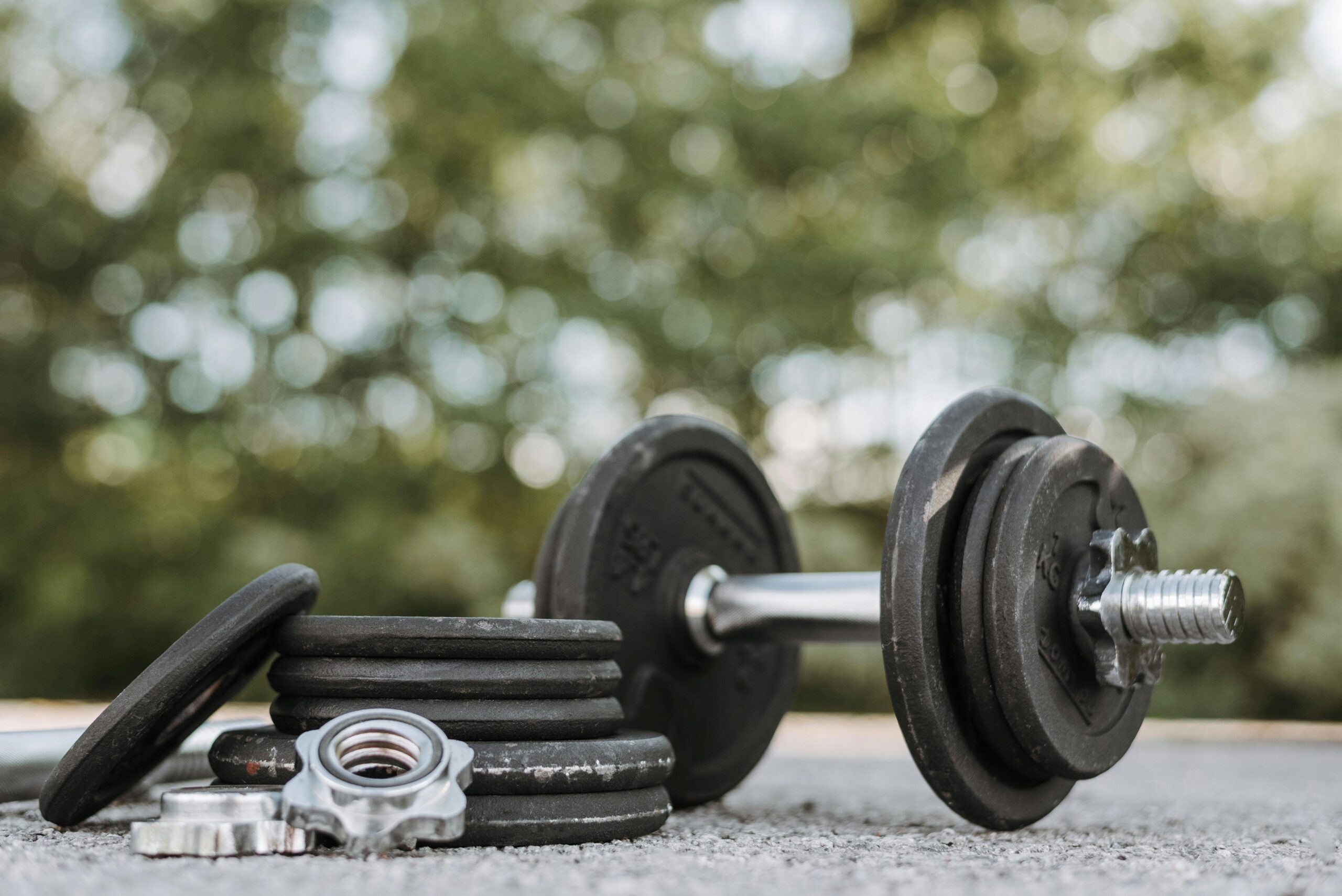
🏆 Achieving Peak Performance Through Smart Planning
Mastering progressive overload transforms training from random physical activity into a systematic process of continuous improvement. The combination of solid foundational knowledge, appropriate tracking tools, and individualized strategy implementation creates an unstoppable formula for achieving your strength and physique goals.
Remember that tools and technology serve your goals rather than defining them. The most sophisticated tracking system cannot compensate for poor exercise selection, inadequate nutrition, or insufficient recovery. View these resources as enablers that amplify the effectiveness of sound training principles rather than magic solutions that eliminate the need for hard work and consistency.
Your journey toward peak performance is uniquely yours. While evidence-based principles and quality tools provide the framework, your commitment to consistent application determines actual results. Start implementing these progressive overload strategies today, track your progress diligently, and adjust your approach based on honest assessment of what works for your individual circumstances. The compound effect of small, intelligent improvements sustained over months and years produces transformations that once seemed impossible.