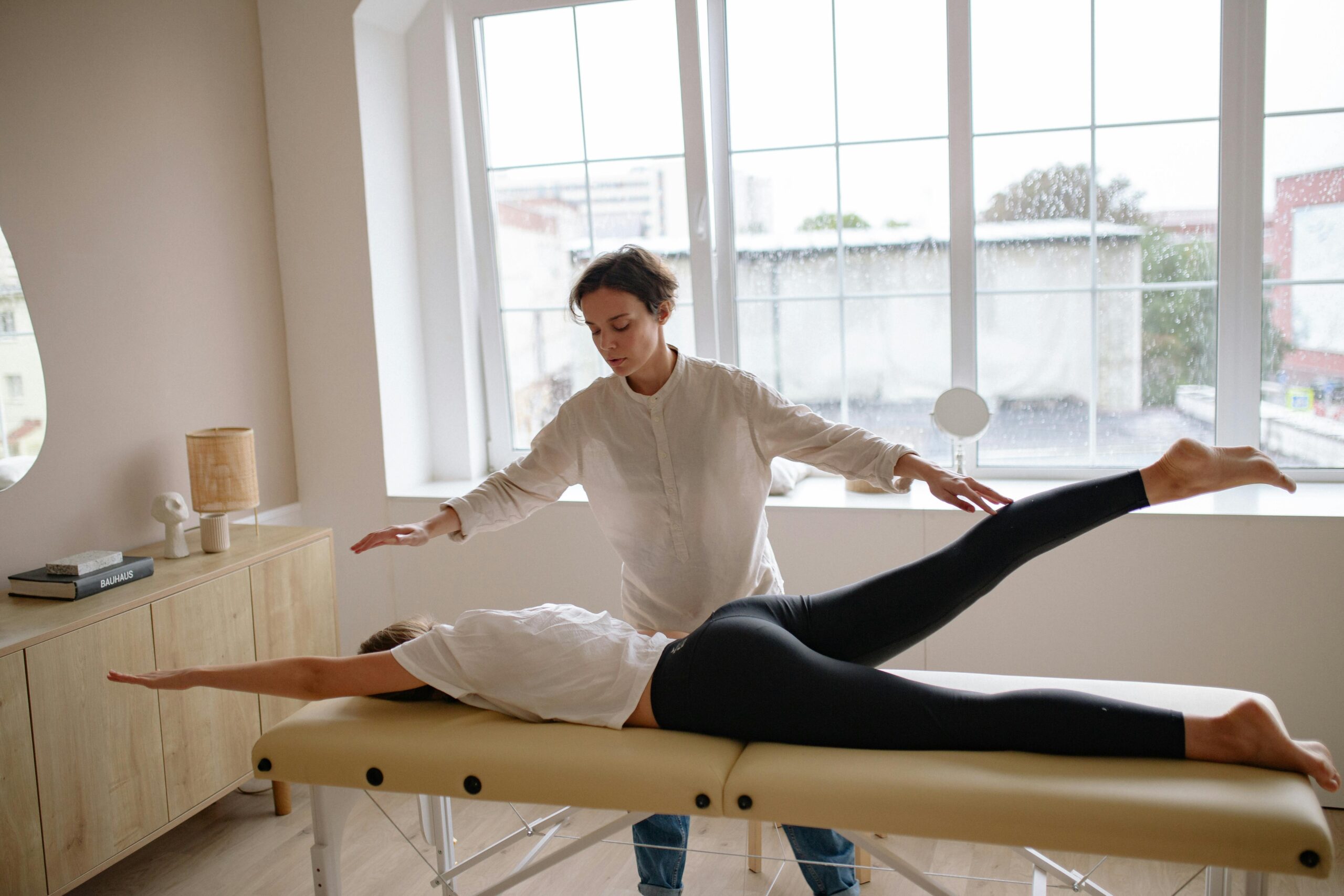
Movement pattern-based training represents a revolutionary approach to fitness programming that prioritizes how your body naturally moves rather than isolating individual muscles. This methodology transforms conventional workouts into intelligent, purposeful training sessions designed around fundamental human movements.

Traditional bodybuilding splits that focus on chest day, back day, or leg day are becoming outdated as fitness professionals increasingly recognize the value of organizing workouts around movement patterns. This shift isn’t just a trend—it’s a science-backed approach that enhances athletic performance, reduces injury risk, and delivers functional strength that translates to real-world activities and sports performance.
🎯 Understanding the Foundation of Movement Patterns
Movement patterns form the cornerstone of human biomechanics. Rather than thinking about individual muscles, this approach categorizes exercises based on how your body naturally moves through space. The fundamental movement patterns include pushing, pulling, squatting, hinging, carrying, and rotating—each representing essential functions your body performs daily.
When you organize training around these patterns, you create a comprehensive program that develops coordination, stability, and strength simultaneously. This holistic approach ensures balanced development across all planes of motion while preventing the muscular imbalances that often result from traditional bodypart splits.
Research published in strength and conditioning journals consistently demonstrates that movement-based programming produces superior functional outcomes compared to isolation-focused routines. Athletes who train using movement patterns show improved performance metrics, better joint health, and enhanced neuromuscular coordination.
The Seven Essential Movement Patterns Every Program Should Include
A comprehensive movement pattern-based program builder organizes training around seven fundamental categories that encompass virtually all human motion. Understanding these patterns allows you to construct balanced, effective workout programs regardless of your fitness goals.
Push Movements: Upper Body Power Development
Pushing patterns involve moving resistance away from your body and include both horizontal pushes (bench press, push-ups) and vertical pushes (overhead press, handstand push-ups). These movements develop the chest, shoulders, and triceps while training the stabilizing muscles throughout your core and back.
Effective push pattern training balances horizontal and vertical variations to ensure complete shoulder health and upper body strength development. A well-designed program includes both bilateral movements (using both arms simultaneously) and unilateral variations (single-arm work) to address asymmetries.
Pull Movements: Building a Resilient Posterior Chain
Pulling patterns move resistance toward your body and similarly include horizontal pulls (rows, inverted rows) and vertical pulls (pull-ups, lat pulldowns). These movements strengthen your back, biceps, and rear shoulders while improving posture and shoulder joint integrity.
Modern sedentary lifestyles create anterior dominance—stronger chest and front shoulders relative to the back—making pull patterns especially important for maintaining structural balance. Most programs should include a 1:1 or even 2:1 ratio of pulling to pushing movements.
Squat Patterns: Foundational Lower Body Strength
Squatting represents a fundamental knee-dominant movement pattern essential for lower body development and functional performance. Variations range from bodyweight squats to loaded back squats, front squats, goblet squats, and single-leg variations like Bulgarian split squats.
The squat pattern develops the quadriceps, glutes, and core while improving ankle, knee, and hip mobility. Proper squat mechanics translate directly to athletic movements like jumping, sprinting, and changing direction.
Hinge Patterns: Posterior Power and Injury Prevention
The hip hinge represents a hip-dominant movement pattern that includes deadlifts, Romanian deadlifts, kettlebell swings, and good mornings. This pattern is crucial for developing the posterior chain—hamstrings, glutes, and spinal erectors—which powers athletic performance and protects against lower back injury.
Many people struggle to properly execute hinge patterns because modern lifestyles reduce hip mobility and weaken the glutes. Mastering the hinge pattern often requires dedicated coaching and progressive skill development before adding significant load.
Lunge and Single-Leg Patterns: Stability and Unilateral Strength
Single-leg movements address the unilateral demands of sports and daily activities. Lunges, step-ups, single-leg deadlifts, and pistol squats challenge balance, stability, and coordination while revealing and correcting strength asymmetries between limbs.
These patterns are particularly valuable for athletes in running-based sports, where single-leg strength and stability directly impact performance and injury resilience. Including unilateral work ensures that one side doesn’t compensate for weaknesses in the other.
Carry and Loaded Movement Patterns: Functional Core Strength
Carrying patterns involve moving while maintaining postural integrity under load. Farmer’s carries, suitcase carries, overhead carries, and bear crawls develop authentic core strength, grip endurance, and full-body tension control.
These movements bridge the gap between gym training and real-world functionality. The anti-rotation and anti-flexion demands of loaded carries build resilient core stability that protects your spine during daily activities and athletic movements.
Rotation and Anti-Rotation: Power Transfer and Spinal Protection
Rotational patterns train your ability to generate and transfer force through your torso while anti-rotation exercises develop the stability to resist unwanted rotation. Medicine ball throws, cable chops, and Pallof presses represent this category.
Every striking sport, most ball sports, and countless daily activities require rotational power and stability. Training these patterns improves athletic performance while protecting the spine from injury during rotational movements.
⚙️ How Movement Pattern-Based Program Builders Work
Advanced program builders organize training by ensuring appropriate volume, frequency, and intensity across all movement patterns rather than body parts. This systematic approach prevents overuse injuries, addresses weaknesses, and accelerates progress through intelligent exercise selection and progression.
Digital training platforms now incorporate movement pattern logic into their programming algorithms. These tools analyze your training history, identify imbalances, and recommend exercises that address gaps in your movement pattern coverage. This technology-enhanced approach removes guesswork and delivers personalized programming previously available only through expensive coaching.
The best movement pattern-based builders include assessment protocols that identify your current capabilities and limitations across each pattern. These assessments might include movement quality screens, strength benchmarks, and mobility evaluations that inform exercise selection and progression strategies.
Building Your Weekly Training Schedule Around Movement Patterns
Constructing an effective weekly training schedule requires balancing movement patterns according to your goals, recovery capacity, and time availability. Several organizational frameworks work effectively depending on training frequency and experience level.
Full-Body Training: Maximum Frequency for Each Pattern
Full-body workouts include representatives from most or all movement patterns in each session. This approach works exceptionally well for beginners, those with limited training time (2-3 sessions weekly), and individuals prioritizing general fitness over specialized performance.
A typical full-body session might include a squat variation, hinge pattern, horizontal push, horizontal pull, and core exercise. This structure ensures you train each pattern 2-3 times weekly, providing optimal frequency for skill development and strength gains without excessive fatigue.
Upper/Lower Splits: Balanced Volume Distribution
Upper/lower splits separate pushing and pulling patterns (upper body) from squatting, hinging, and single-leg work (lower body). This organization allows increased volume per pattern while maintaining manageable session duration and recovery demands.
Training four days weekly with this split (two upper, two lower) provides excellent balance for intermediate to advanced trainees seeking muscle development and strength gains. Each pattern receives adequate volume and frequency for continuous adaptation.
Push/Pull/Legs: Specialized Pattern Focus
The push/pull/legs framework dedicates entire sessions to specific pattern categories. Push days combine horizontal and vertical pressing movements, pull days integrate all pulling variations, and leg days incorporate squatting, hinging, and single-leg patterns.
This structure suits advanced trainees who can benefit from the increased volume per pattern and have the recovery capacity for higher training frequencies. Running this split twice weekly (six training days) provides exceptional volume for muscle growth and strength development.
📊 Progressive Overload Within Movement Patterns
Effective progression requires systematic increases in training stress across your movement patterns. Unlike random workout selection, pattern-based builders track performance metrics for each category and implement strategic progressions that drive continuous adaptation.
Progressive overload can occur through multiple variables: increased weight, additional repetitions, more sets, improved exercise variations, reduced rest periods, or enhanced movement quality. The most effective programs cycle through these progression methods to prevent plateaus and maintain motivation.
Movement pattern-based tracking reveals performance trends that might be missed when focusing solely on individual exercises. You might discover that your vertical push strength is advancing while horizontal push development stalls, indicating the need for programming adjustments or technique refinement.
Technology-Enhanced Movement Pattern Programming
Modern fitness technology has revolutionized how we design and execute movement pattern-based programs. Smartphone applications now offer sophisticated program builders that incorporate movement pattern logic, exercise libraries with video demonstrations, progress tracking, and adaptive algorithms.
These digital tools democratize access to professional-grade programming that once required expensive personal training or coaching. By answering questions about your goals, equipment availability, and training schedule, these apps generate customized programs that balance all essential movement patterns.
The most advanced platforms include artificial intelligence that learns from your performance data, adjusting future workouts based on your progress, recovery status, and expressed preferences. This personalized approach optimizes results while maintaining the structure necessary for long-term development.
🔍 Assessment and Movement Pattern Diagnostics
Before building an effective movement pattern program, you must assess your current capabilities and limitations across each category. This diagnostic process identifies strengths to maintain, weaknesses requiring attention, and mobility restrictions that might limit exercise selection.
Simple bodyweight assessments reveal valuable information about movement pattern proficiency. Can you perform a proper bodyweight squat to parallel depth? Can you execute a single-leg Romanian deadlift with balance and control? Can you complete a strict push-up and pull-up with full range of motion?
These fundamental assessments establish baseline capabilities and highlight patterns requiring additional attention. A well-designed program allocates training volume proportionally, providing extra work for deficient patterns while maintaining competency in stronger movements.
Exercise Selection and Variation Within Patterns
Each movement pattern encompasses dozens of exercise variations spanning different difficulty levels, equipment requirements, and specific training emphases. Strategic exercise selection ensures continued progress while preventing boredom and overuse injuries.
Beginner-friendly variations emphasize movement quality and skill development with reduced loads. As proficiency improves, intermediate variations add complexity through increased range of motion, stability challenges, or external resistance. Advanced variations might include Olympic lift derivatives, plyometric exercises, or highly technical movements requiring significant strength and coordination.
Rotating exercises within patterns every 4-8 weeks provides novel stimuli while maintaining pattern-specific adaptations. This variation strategy—sometimes called conjugate programming—prevents accommodation while building diverse physical capacities across each movement category.
💪 Periodization Strategies for Movement Pattern Training
Periodization involves systematically varying training variables over time to optimize adaptations and peak performance. Movement pattern-based programs benefit enormously from periodization strategies that manipulate intensity, volume, and exercise complexity across training cycles.
Linear periodization gradually increases intensity while reducing volume over several weeks or months. This approach works well for beginners systematically building strength across all patterns. Undulating periodization varies these factors workout-to-workout or week-to-week, providing greater training variety while preventing staleness.
Block periodization dedicates specific training phases to particular adaptations—accumulation blocks emphasizing volume and hypertrophy, intensification blocks focusing on heavy loads and strength, and realization blocks reducing volume to express peak performance. This sophisticated approach requires careful planning but delivers exceptional results for advanced trainees.
Common Programming Mistakes and How Pattern-Based Builders Prevent Them
Traditional workout design often falls victim to common errors that limit progress and increase injury risk. Movement pattern-based builders systematically prevent these mistakes through intelligent programming logic and balanced exercise distribution.
Anterior-posterior imbalances occur when push movements significantly exceed pull variations, creating shoulder dysfunction and postural problems. Pattern-based systems ensure pulling volume matches or exceeds pushing work, maintaining structural balance and joint health.
Quad-dominance develops when squat patterns dominate training while hinge movements receive insufficient attention. This imbalance weakens the posterior chain, limiting athletic performance and increasing injury vulnerability. Balanced programming includes equal or greater emphasis on hinging relative to squatting.
Neglecting unilateral work allows the dominant side to compensate for weaknesses in the non-dominant limb. Movement pattern programs mandate single-leg and single-arm exercises that reveal and correct these asymmetries before they become problematic.
🏆 Measuring Progress Beyond Weight and Repetitions
While tracking loads and volumes remains important, movement pattern-based training opens opportunities for more comprehensive progress assessment. Movement quality improvements, enhanced coordination, better stability, and increased movement variability all represent meaningful adaptations.
Video analysis allows you to document technique improvements over time. Comparing squat depth, hinge mechanics, or overhead pressing efficiency across training weeks provides motivating evidence of skill development that numerical metrics might miss.
Performance in pattern-specific benchmarks—maximum pull-ups, single-leg squat depth, deadlift one-rep max, or farmer’s carry distance—offers concrete goals beyond aesthetic outcomes. These functional metrics directly translate to improved daily life performance and athletic capabilities.
Integrating Mobility and Flexibility Within Movement Patterns
Movement pattern proficiency depends heavily on adequate mobility and flexibility across relevant joints. Effective program builders incorporate mobility work specific to each pattern, addressing common restrictions that limit performance and increase injury risk.
Ankle mobility directly impacts squat depth and quality. Hip flexor and thoracic spine mobility influence hinge pattern mechanics. Shoulder mobility determines overhead pressing and pulling capabilities. Pattern-based programs include targeted mobility exercises that address these specific requirements.
Rather than generic stretching routines, this approach prescribes mobility work based on individual assessments and the demands of your chosen exercises. This targeted strategy delivers superior results with less time investment compared to unfocused flexibility training.
From Beginner to Advanced: Scaling Pattern-Based Programs
Movement pattern-based programming adapts seamlessly across all experience levels by modifying exercise selection, volume, intensity, and complexity while maintaining the fundamental organizational structure.
Beginners benefit from simplified programs emphasizing 1-2 variations per pattern, focusing on movement quality and establishing baseline strength. Intermediate trainees increase pattern volume and incorporate more challenging variations. Advanced athletes utilize sophisticated periodization, complex exercise variations, and higher training frequencies across all patterns.
This scalability ensures long-term program sustainability—you’re not abandoning your training approach as you advance, but rather evolving it with increasing sophistication while maintaining the movement pattern foundation that delivers results.
🎯 Real-World Application: Sample Weekly Programs
Understanding theory matters little without practical application. Here’s how movement pattern-based programming translates into actual weekly schedules for different training frequencies and experience levels.
A three-day full-body program for beginners might include goblet squats, Romanian deadlifts, push-ups, inverted rows, and farmer’s carries each session with progressive loading. An intermediate four-day upper/lower split could feature barbell squats and deadlifts on lower days with bench press variations and pull-up progressions on upper days. Advanced six-day push/pull/legs programming incorporates multiple variations per pattern with sophisticated volume management and periodization.
These frameworks demonstrate the versatility of movement pattern organization across different schedules while maintaining the balanced development that characterizes this approach.
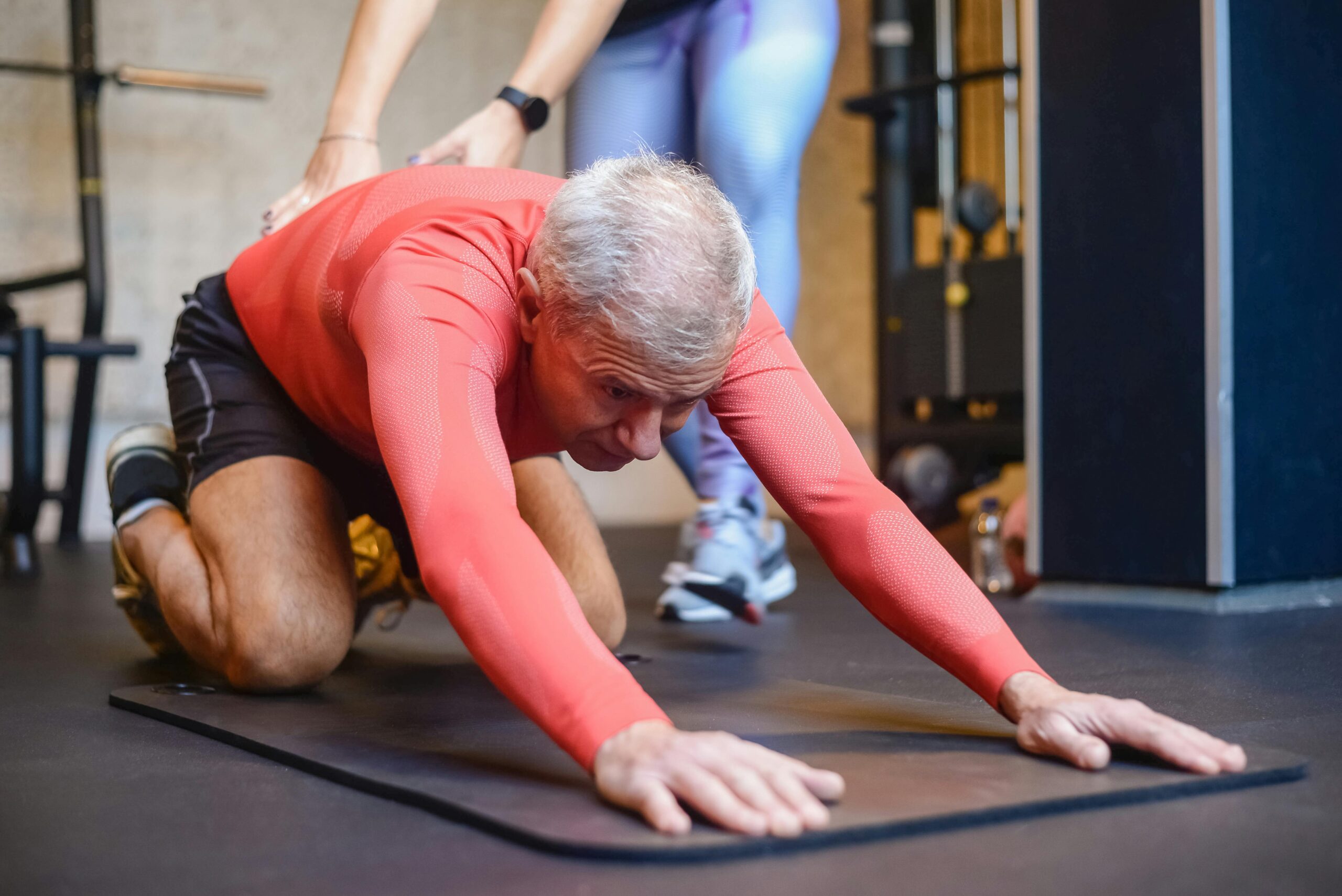
The Future of Intelligent Fitness Programming
Movement pattern-based program builders represent the convergence of exercise science, technology, and practical training wisdom. As artificial intelligence and machine learning continue advancing, these tools will become increasingly sophisticated in personalizing programs, predicting optimal progressions, and preventing plateaus.
Wearable technology integration will provide real-time feedback on movement quality, recovery status, and readiness to train. This data will inform daily workout adjustments, ensuring each session maximizes adaptations while respecting recovery needs. The future of training is personalized, intelligent, and firmly grounded in movement pattern principles.
Whether you’re a fitness beginner seeking an effective training structure or an experienced athlete looking to optimize your programming, movement pattern-based builders offer a proven framework for sustainable progress. By organizing training around how your body naturally moves rather than arbitrary muscle groups, you’ll develop balanced strength, enhanced functionality, and resilient physical capabilities that serve you in the gym and beyond. The precision, performance improvements, and measurable progress delivered by this approach make it the gold standard for modern fitness programming. 💪