Home workouts have revolutionized the way we approach fitness, offering convenience and flexibility that traditional gyms can’t always match. However, exercising at home comes with its own set of challenges and potential hazards that many people overlook.

Creating a safe workout environment in your home isn’t just about preventing injuries—it’s about building sustainable fitness habits that will keep you motivated and healthy for years to come. Whether you’re a seasoned athlete or just beginning your fitness journey, understanding and implementing proper safety measures is absolutely essential for long-term success.
🏠 Creating Your Safe Workout Space
The foundation of injury-free home fitness starts with your workout environment. Before you even think about your first rep or stretch, you need to ensure your space is properly prepared to support your fitness goals safely.
First, evaluate the actual physical space where you’ll be exercising. You need enough room to move freely in all directions without hitting furniture, walls, or other obstacles. A good rule of thumb is to have at least six feet of clearance in every direction for most exercises. This becomes especially important when performing dynamic movements like jumping jacks, burpees, or kickboxing routines.
Flooring is another critical consideration that many people underestimate. Hard surfaces like tile or concrete can be unforgiving on your joints and dangerous if you slip. Carpet might seem cushioned, but it can cause instability during certain exercises and doesn’t provide adequate shock absorption. Investing in quality exercise mats or interlocking foam tiles creates a stable, shock-absorbing surface that protects both your body and your floors.
Lighting and Ventilation Essentials
Proper lighting prevents accidents and helps you maintain correct form by allowing you to see yourself in mirrors or monitor your technique. Natural light is ideal, but if that’s not available, ensure you have bright, even lighting throughout your workout space. Shadows and dark corners can hide obstacles and make it difficult to judge distances accurately.
Ventilation is equally important for safety and performance. Exercising in a stuffy, poorly ventilated room can lead to overheating, dizziness, and reduced performance. Open windows when possible, use fans strategically, or consider a portable air conditioner for enclosed spaces. Good air circulation helps regulate body temperature and reduces the risk of heat-related complications.
💪 Equipment Safety and Maintenance
Your workout equipment can be your best ally or your worst enemy, depending on its condition and how you use it. Regular inspection and proper maintenance of all fitness equipment should be part of your routine.
Before each workout session, take two minutes to inspect your equipment. Check resistance bands for tears or weak spots, examine dumbbells for loose weights or damaged handles, and ensure stability balls are properly inflated without any damage to the surface. Yoga mats should lie flat without curling edges that could cause tripping.
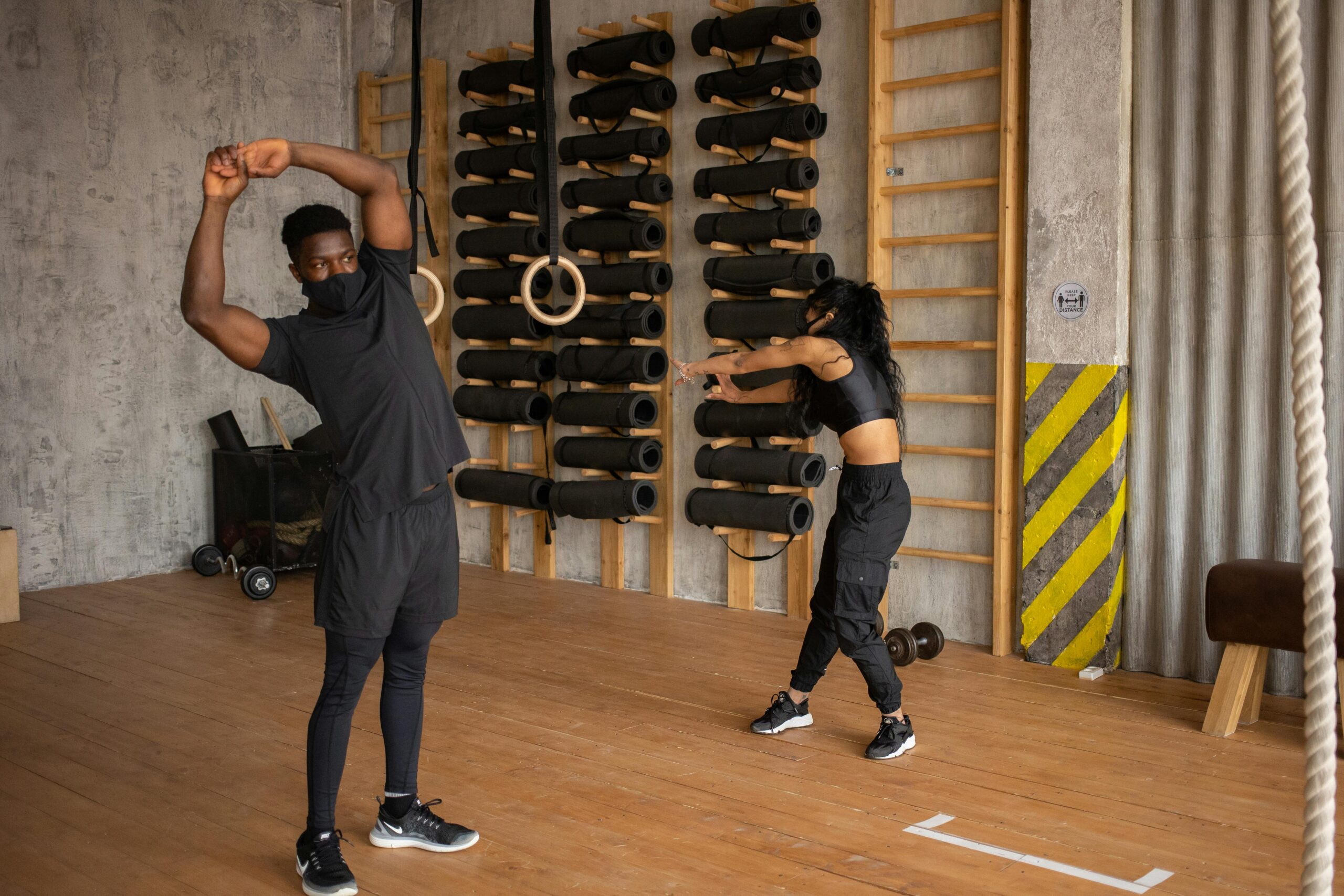
Storage matters more than most people realize. Leaving weights scattered on the floor or resistance bands draped over furniture creates serious tripping hazards. Designate specific storage areas for each piece of equipment and develop the habit of putting everything away immediately after use. Wall-mounted racks, storage bins, or dedicated shelving keeps your space organized and safe.
Smart Equipment Choices for Beginners
If you’re new to home workouts, resist the temptation to buy every piece of equipment you see online. Start with basics: a quality exercise mat, a set of resistance bands, and perhaps adjustable dumbbells. As your fitness level improves and you understand your preferences better, you can expand your equipment collection strategically.
When purchasing equipment, prioritize quality over quantity. Cheap equipment might save money initially, but it often breaks easily, performs poorly, and can actually increase injury risk. Read reviews, check weight limits, and choose reputable brands whenever possible.
🔥 Proper Warm-Up and Cool-Down Protocols
Skipping warm-ups is one of the most common mistakes that leads to preventable injuries. Your body needs time to transition from rest mode to exercise mode, gradually increasing heart rate, blood flow, and muscle temperature.
A proper warm-up should last at least five to ten minutes and include dynamic movements that mimic your upcoming workout. If you’re planning a leg workout, include leg swings, walking lunges, and bodyweight squats. For upper body sessions, arm circles, shoulder rolls, and light push-ups prepare your muscles effectively.
Static stretching before exercise is actually counterproductive and can increase injury risk. Save those deep, held stretches for your cool-down period. During warm-up, focus on movement-based activities that gradually increase in intensity.
The Cool-Down Your Body Deserves
Cooling down is just as important as warming up, though many people skip it entirely. After intense exercise, your heart rate is elevated, your muscles are fatigued, and metabolic waste products have accumulated in your tissues. A proper cool-down helps your body return to baseline safely.
Spend at least five to ten minutes performing low-intensity movements followed by static stretching. This helps prevent blood pooling in your extremities, reduces muscle soreness, improves flexibility, and promotes recovery. Focus on stretching the muscle groups you worked during your session, holding each stretch for 20-30 seconds without bouncing.
📱 Leveraging Technology for Safer Workouts
Modern technology offers incredible tools to enhance workout safety and effectiveness. Fitness apps can provide proper form demonstrations, personalized workout plans, and progress tracking that keeps you motivated while reducing injury risk.
Video-based workout apps are particularly valuable because they demonstrate correct form and technique. When you’re exercising alone at home, it’s easy to develop bad habits that can lead to injuries over time. Following along with qualified instructors ensures you’re performing exercises correctly.
Heart rate monitors and fitness trackers provide real-time feedback about your exercise intensity. This technology helps you stay within safe training zones, preventing overexertion that can lead to injury or cardiovascular stress. Many devices also remind you to hydrate and rest between sets.
⚡ Understanding Your Body’s Warning Signs
Learning to distinguish between normal exercise discomfort and potential injury signals is crucial for long-term fitness success. Many people push through pain that should actually be a stop signal, turning minor issues into serious injuries.
Normal exercise discomfort includes muscle burning during exertion, general fatigue, and mild soreness that appears 24-48 hours after workouts. These sensations are expected and indicate your muscles are adapting to training stress.
Warning signs that should stop your workout immediately include sharp or stabbing pain, joint pain, dizziness, chest pain, extreme shortness of breath, or any pain that worsens with movement. These symptoms indicate something is wrong and continuing could cause serious injury.
The Progressive Overload Principle
Injuries often occur when people try to do too much too soon. The progressive overload principle is your blueprint for safe fitness advancement. This means gradually increasing workout difficulty over time rather than making dramatic jumps that overwhelm your body’s capacity to adapt.
Increase only one variable at a time: either weight, repetitions, sets, or workout frequency. A good guideline is the ten percent rule—don’t increase your total training volume by more than ten percent per week. This measured approach gives your muscles, tendons, and ligaments time to strengthen appropriately.
🥤 Hydration and Nutrition for Safe Training
Proper hydration directly impacts your safety during workouts. Dehydration reduces coordination, increases fatigue, impairs temperature regulation, and significantly raises injury risk. Even mild dehydration can decrease performance and cognitive function.
Drink water before, during, and after exercise. A good baseline is to consume 16-20 ounces of water two hours before exercising, 8-10 ounces every 15 minutes during your workout, and 16-24 ounces for every pound of body weight lost through sweat afterward.
Nutrition timing also affects workout safety. Exercising on a completely empty stomach can lead to dizziness and poor performance, while working out immediately after a large meal can cause cramping and nausea. Aim to eat a balanced meal 2-3 hours before exercise, or a light snack 30-60 minutes beforehand if needed.
👟 The Foundation: Proper Footwear and Attire
What you wear during home workouts matters more than you might think. Proper athletic shoes provide support, stability, and shock absorption that protect your joints and prevent injuries. Worn-out shoes with compressed cushioning or uneven wear patterns can throw off your alignment and increase injury risk.
Different exercises require different footwear considerations. High-impact activities like jumping or running in place need well-cushioned shoes with good arch support. Strength training benefits from flatter, more stable shoes that keep you grounded. Some exercises like yoga or Pilates are best performed barefoot or in grippy socks.
Clothing should be comfortable, breathable, and appropriately fitted. Overly loose clothing can catch on equipment or obscure your view of your body positioning, while restrictive clothing limits range of motion. Choose moisture-wicking fabrics that help regulate body temperature and prevent chafing.
🎯 Form Over Everything Else
Perfect form is your most powerful injury prevention tool. Proper technique ensures exercises target intended muscle groups while protecting vulnerable joints and connective tissues. Poor form, even with light weights or bodyweight exercises, creates stress patterns that accumulate into injuries over time.
When learning new exercises, start with just bodyweight or very light resistance. Master the movement pattern before adding significant load. Using mirrors or recording yourself on your smartphone helps identify form issues you might not notice otherwise.
Common form mistakes include rounding your back during deadlifts or rows, letting knees cave inward during squats, hyperextending joints, using momentum instead of controlled movement, and sacrificing form to complete more repetitions. Quality always trumps quantity in fitness.
When to Seek Professional Guidance
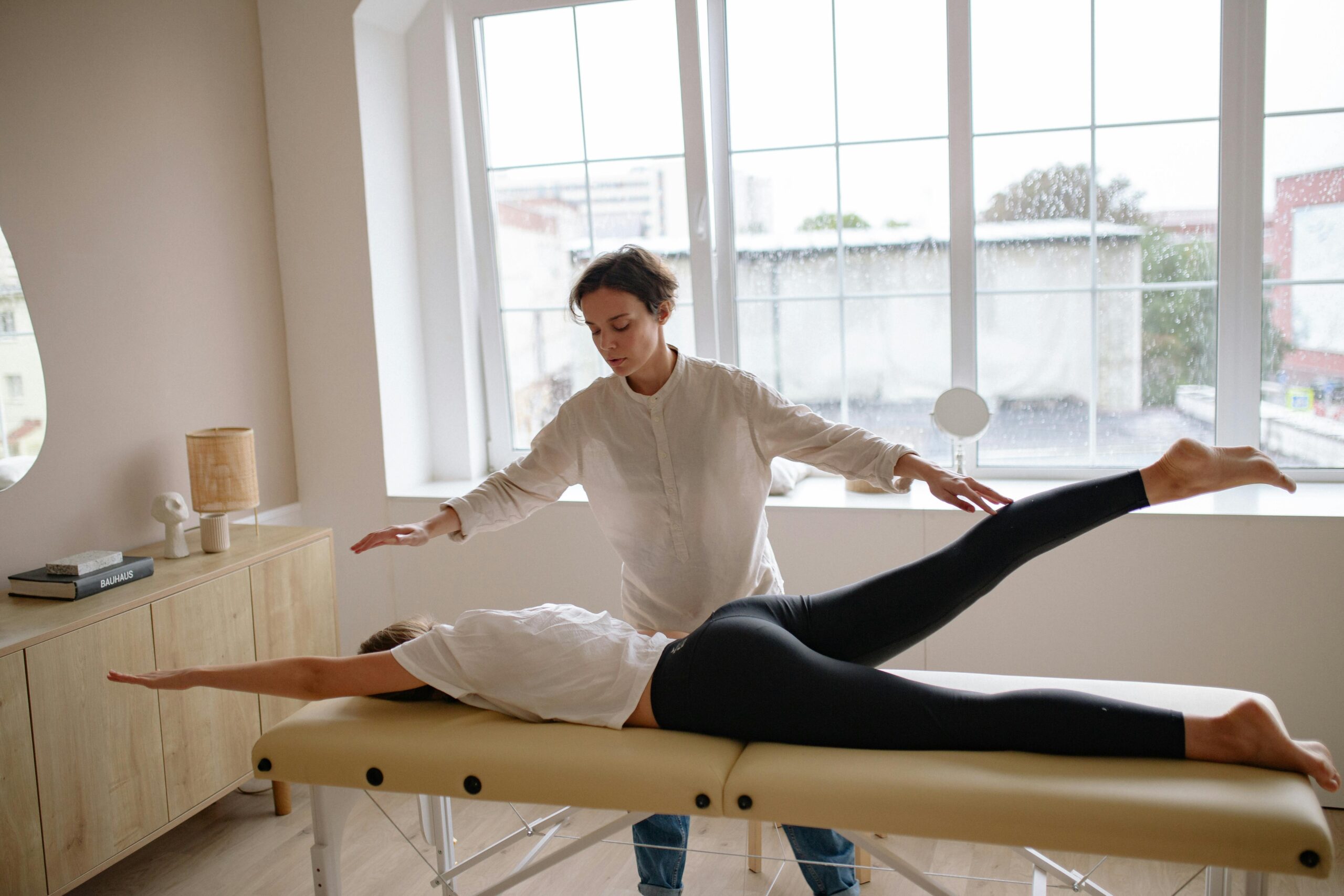
Even with the best intentions and resources, sometimes you need expert eyes on your technique. Consider scheduling periodic sessions with a qualified personal trainer, even if you primarily work out at home. A few professional consultations can identify and correct form issues that might otherwise lead to injuries.
Virtual training sessions have made professional guidance more accessible and affordable than ever. Many trainers offer online form checks, personalized program design, and video analysis services that fit various budgets and schedules.
🛡️ Emergency Preparedness and Recovery
Despite your best prevention efforts, minor injuries can still occur. Being prepared to handle them properly minimizes damage and speeds recovery. Keep a basic first aid kit near your workout area with ice packs, compression wraps, athletic tape, and pain relievers.
Learn the RICE protocol for acute injuries: Rest, Ice, Compression, Elevation. This approach helps manage pain and swelling in the crucial first 24-48 hours after an injury. For anything beyond minor strains or soreness, don’t hesitate to consult healthcare professionals.
Recovery is when your body actually gets stronger, not during the workout itself. Build rest days into your weekly schedule—most people need at least one to two complete rest days per week. Active recovery days with light activities like walking or gentle stretching can also promote healing without overtaxing your system.
🌟 Building Sustainable Safety Habits
Safety isn’t a one-time checklist you complete and forget—it’s an ongoing practice that becomes second nature with consistency. Create pre-workout rituals that include space preparation, equipment checks, and mental readiness. These routines take just a few minutes but dramatically reduce injury risk.
Keep a workout journal to track not just exercises and weights, but also how you felt during and after sessions. This record helps you identify patterns, recognize when you might be overtraining, and celebrate progress in ways beyond just performance metrics.
Stay educated about fitness safety by following reputable sources, reading current research, and remaining open to updating your practices as new information emerges. The fitness field constantly evolves, and what we understand about safe, effective training improves continuously.
Your home workout space should be your sanctuary for health and self-improvement, not a place where injuries derail your progress. By implementing these comprehensive safety measures, you create an environment where you can push your limits confidently, knowing you’ve minimized preventable risks. Remember that fitness is a lifelong journey, not a sprint—protecting your body today ensures you can continue enjoying movement and strength for decades to come. Stay consistent with these safety practices, listen to your body’s signals, and celebrate every workout as an investment in your long-term health and vitality.