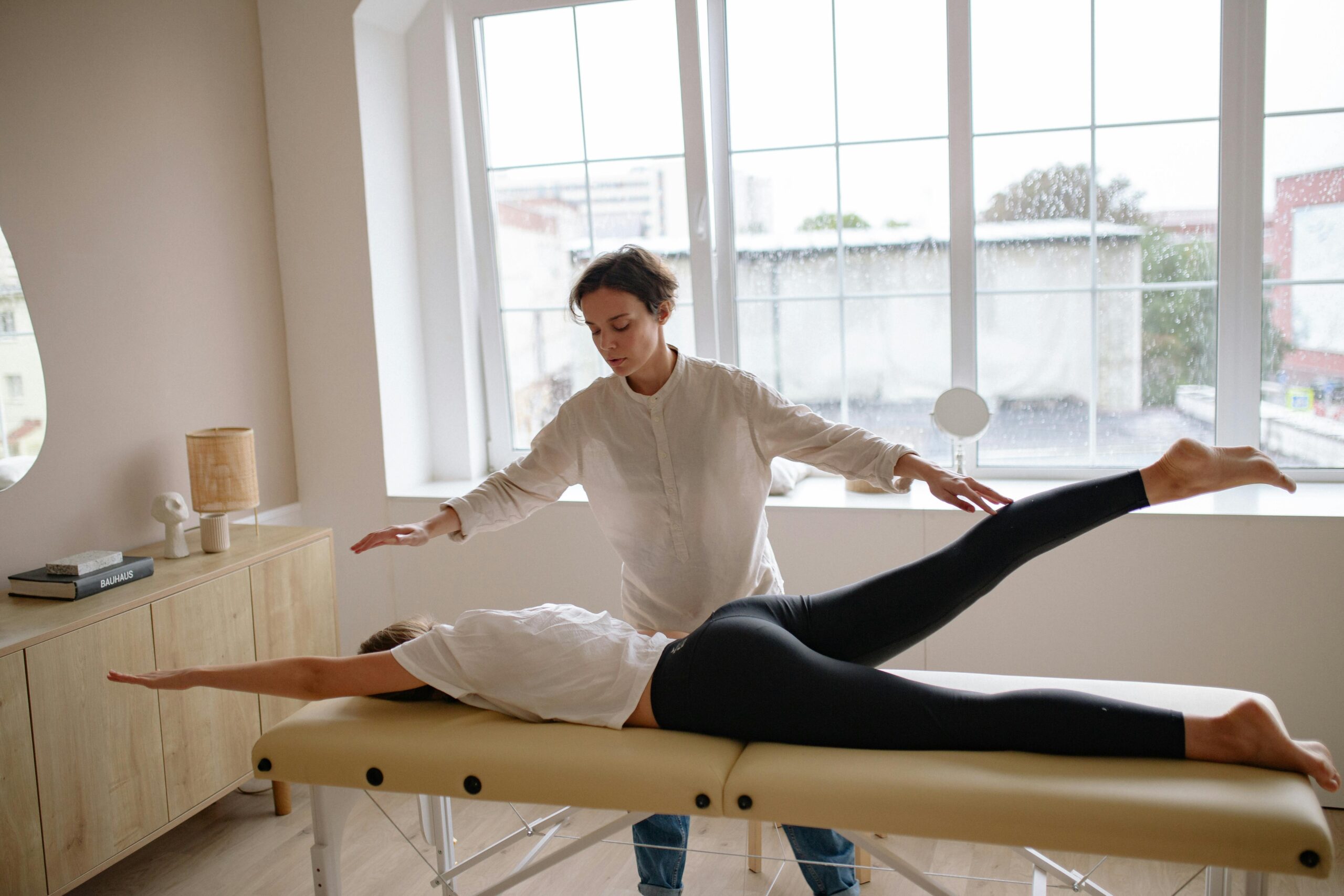
Living with limited mobility doesn’t mean surrendering your strength or accepting a sedentary lifestyle. Every body deserves movement, vitality, and the confidence that comes from feeling physically capable, regardless of physical limitations or health conditions.

Whether you’re recovering from injury, managing a chronic condition, navigating the natural aging process, or dealing with temporary restrictions, adaptable exercise solutions can transform your daily experience. This comprehensive guide will show you practical, safe, and effective ways to build strength, improve flexibility, and embrace a more active lifestyle tailored specifically to your unique needs and capabilities.
Understanding the Power of Movement for Everyone 💪
The human body thrives on movement, but traditional fitness approaches often ignore those with mobility challenges. Research consistently shows that adapted physical activity provides profound benefits for individuals with limited mobility, including improved cardiovascular health, enhanced muscle strength, better balance, reduced pain, and significant mental health improvements.
Limited mobility can result from various conditions including arthritis, neurological disorders, post-surgical recovery, obesity, joint replacements, spinal injuries, or simply the natural aging process. Regardless of the cause, the principle remains the same: movement is medicine, and there’s always a way to exercise safely within your current abilities.
The key lies in finding adaptable solutions that meet you exactly where you are today. This means modifying traditional exercises, using assistive equipment, working with gravity differently, and focusing on functional movements that directly improve your quality of life.
Starting Your Journey: Safety and Mindset First 🎯
Before beginning any new exercise program, consulting with your healthcare provider is essential. This conversation should cover your specific limitations, any movements to avoid, warning signs to watch for, and realistic goals based on your current condition and overall health status.
Once cleared for activity, shift your mindset from what you cannot do to what you can do. This mental reframing is transformative. Instead of comparing yourself to others or to your past abilities, celebrate every small victory and focus on incremental progress. Consistency trumps intensity when building sustainable fitness habits.
Setting Realistic and Meaningful Goals
Your fitness goals should reflect your life priorities. Perhaps you want to play with grandchildren, maintain independence in daily activities, reduce pain levels, improve sleep quality, or simply feel more energetic throughout the day. These functional goals are far more motivating than abstract fitness metrics.
Break larger aspirations into smaller, achievable milestones. If standing for ten minutes is currently challenging, start with two-minute intervals. If reaching overhead feels impossible, begin by lifting your arms to shoulder height. Every small improvement compounds over time into significant transformation.
Chair-Based Exercises: Your Foundation for Strength 🪑
Chair exercises provide an excellent starting point for individuals with limited mobility. A sturdy chair offers stability, support, and safety while allowing you to work every major muscle group effectively.
Upper Body Chair Exercises
Seated arm raises strengthen shoulders and improve overhead reach. Simply sit tall, engage your core, and lift both arms forward and upward to whatever height feels comfortable. Lower slowly and repeat for 10-15 repetitions. You can add light weights or water bottles as you progress.
Seated rows target your back muscles and improve posture. Using resistance bands anchored in front of you or holding light weights, pull your elbows back, squeezing your shoulder blades together. This movement counteracts the forward slouch many people develop from prolonged sitting.
Bicep curls and tricep extensions can be performed seated with minimal equipment. These exercises maintain arm strength necessary for carrying groceries, lifting objects, and performing daily tasks independently.
Core and Lower Body Chair Work
Seated marches involve lifting one knee at a time while maintaining good posture. This simple movement strengthens hip flexors, improves circulation, and can be modified by holding each lift for several seconds to increase difficulty.
Seated leg extensions work your quadriceps by straightening one leg at a time from a seated position. Strong quadriceps are essential for standing, walking, and transferring from sitting to standing positions safely.
Torso rotations improve spinal mobility and core strength. Sitting tall with hands at your chest or behind your head, gently rotate your upper body from side to side, keeping your hips stable. This movement enhances everyday activities like reaching for items or backing up a car.
Water-Based Exercise: The Ultimate Low-Impact Solution 🏊
Aquatic exercise represents one of the most effective and comfortable options for people with limited mobility. Water’s buoyancy reduces stress on joints by up to 90%, while resistance in all directions provides natural strength training without requiring weights.
Many community pools, YMCAs, and rehabilitation centers offer warm-water exercise classes specifically designed for seniors and individuals with mobility challenges. The warm temperature (typically 83-88 degrees Fahrenheit) helps relax muscles and reduce pain while exercising.
Simple Pool Exercises to Try
Walking in chest-deep water provides cardiovascular benefits while supporting your body weight. The water resistance makes this seemingly simple activity quite effective for building leg strength and endurance.
Pool noodles and foam dumbbells create additional resistance for upper body work. Pushing these buoyant objects underwater engages your arms, shoulders, and chest in a gentle yet effective way.
Leg lifts and kicks become easier in water while still providing excellent muscle activation. The pool environment allows you to perform movements that might be impossible on land, gradually building strength that translates to improved land-based function.
Resistance Band Training: Versatile and Accessible 🔴
Resistance bands offer incredible versatility for adapted exercise programs. They’re inexpensive, portable, available in various resistance levels, and can be used from virtually any position including seated, lying down, or standing with support.
The elastic resistance provides a different strength-building stimulus than weights, with tension increasing as you stretch the band. This variable resistance is often easier on joints while still building functional strength effectively.
Essential Resistance Band Exercises
Chest presses can be performed by wrapping the band behind your back or around a chair and pressing forward. This movement strengthens your chest and arms without requiring you to lie on the floor.
Lateral raises target shoulder muscles by standing or sitting on the band and lifting the handles out to your sides. Strong shoulders are crucial for reaching, lifting, and maintaining good posture.
Ankle work strengthens lower legs by looping bands around your feet and flexing or extending your ankles against resistance. This often-overlooked exercise improves balance and walking ability significantly.
Flexibility and Range of Motion Work 🧘
Maintaining and improving flexibility is just as important as building strength, especially for individuals with limited mobility. Gentle stretching reduces stiffness, decreases pain, improves circulation, and makes daily movements easier and more comfortable.
The key to effective stretching is consistency and gentleness. Hold each stretch for 15-30 seconds without bouncing, breathing deeply and relaxing into the position. You should feel mild tension, never pain.
Daily Stretching Routine
Neck rolls and shoulder shrugs release upper body tension that accumulates from stress and limited movement. These can be performed throughout the day, even while watching television or during commercial breaks.
Seated spinal twists maintain rotational flexibility in your torso, essential for looking behind you while walking or driving. Sit tall, place one hand on the opposite knee, and gently rotate, holding for several breaths before switching sides.
Ankle circles and toe points maintain lower leg flexibility and reduce swelling that often accompanies reduced mobility. Simply rotate your ankles in circles and point and flex your toes several times throughout the day.
Balance Training for Confidence and Safety ⚖️
Improved balance reduces fall risk, increases confidence in movement, and allows you to navigate your environment more safely. Balance exercises can be adapted to any fitness level and performed with whatever support you need.
Always practice balance exercises near a sturdy surface you can grab if needed. A kitchen counter, heavy table, or wall provides excellent support while you challenge your balance safely.
Progressive Balance Activities
Weight shifts involve simply transferring your weight from side to side or front to back while standing. This foundational exercise improves the unconscious balance adjustments your body makes throughout the day.
Supported single-leg stands challenge your balance more intensely. Hold onto a counter and lift one foot slightly off the ground for 10-30 seconds. As this becomes easier, try using just one finger for support, then eventually no support at all.
Tandem walking means placing one foot directly in front of the other as if walking a tightrope. Perform this next to a wall or counter for safety. This exercise significantly improves dynamic balance needed for safe ambulation.
Technology and Apps to Support Your Journey 📱
Modern technology offers valuable support for maintaining exercise consistency and tracking progress. Several applications provide guided workouts specifically designed for seniors and individuals with limited mobility.
The SilverSneakers GO app delivers chair exercises, balance training, and flexibility routines tailored for older adults and those with mobility limitations. The interface is user-friendly with clear video demonstrations and customizable workout lengths.
Fitness tracking apps can help you monitor your activity levels, set reminders for exercise sessions, and celebrate consistency streaks that build motivation. Even simple reminder apps help establish the routine necessary for long-term success.
Building Your Weekly Exercise Routine 📅
Consistency matters more than duration or intensity when starting an adapted exercise program. Begin with just 5-10 minutes daily, gradually increasing as your stamina and confidence grow. Your body needs regular stimulus to adapt and strengthen.
A balanced weekly routine should include strength training, flexibility work, balance exercises, and if possible, some form of cardiovascular activity appropriate to your abilities. This doesn’t mean spending hours exercising; even brief sessions provide significant benefits.
Sample Weekly Schedule
Monday might focus on upper body chair exercises and arm stretches. Tuesday could emphasize lower body work and balance training. Wednesday offers active recovery with gentle stretching and range of motion exercises.
Thursday returns to strength work with resistance bands targeting different muscle groups. Friday incorporates balance challenges and flexibility. Saturday might include water exercise if you have pool access. Sunday allows complete rest or very gentle movement like seated stretches while watching television.
This schedule is merely a template. Your routine should reflect your energy levels, other commitments, and how your body responds to exercise. Some days you’ll feel energized and capable of more; other days require gentler approaches. Both are perfectly acceptable.
Nutrition Considerations for Active Bodies 🥗
Exercise and nutrition work synergistically to improve your health and functional abilities. Adequate protein intake supports muscle maintenance and growth, especially important when building strength with limited mobility.
Aim for protein at each meal from sources like lean meats, fish, eggs, dairy products, beans, or protein supplements if recommended by your healthcare provider. Older adults and those recovering from injury often need more protein than general guidelines suggest.
Hydration is equally crucial but frequently overlooked. Water supports every bodily function including muscle recovery and joint lubrication. Keep water nearby throughout the day and drink regularly, even before feeling thirsty, as thirst sensation diminishes with age.
Overcoming Common Challenges and Setbacks 💡
Pain management is a common concern when exercising with limited mobility. Distinguish between discomfort from using dormant muscles versus pain signaling potential injury. Mild muscle soreness 24-48 hours after exercise is normal; sharp pain during movement is not.
Fatigue can feel overwhelming when starting a new exercise routine. Your body is adapting to new demands, requiring extra energy for recovery and strengthening. This temporary fatigue typically improves within 2-3 weeks as your fitness improves.
Motivation naturally fluctuates over time. Create systems that don’t rely solely on willpower: exercise at the same time daily, lay out equipment the night before, find an accountability partner, or join group classes that provide social connection alongside physical activity.
Working Through Setbacks
Illness, injury, or life circumstances will occasionally interrupt your routine. This is normal and expected. The key is returning to activity as soon as appropriate, even if you need to scale back intensity or duration temporarily.
After a break, resist the temptation to resume at your previous level. Give your body time to reacclimate, starting with about 50-70% of your former routine and gradually rebuilding. This patient approach prevents injury and frustration.
The Social Connection: Finding Your Community 🤝
Exercise becomes more sustainable and enjoyable when shared with others. Community centers, senior centers, rehabilitation facilities, and specialized gyms often offer classes specifically designed for individuals with limited mobility.
These group settings provide multiple benefits beyond physical activity: social interaction combats isolation, shared experiences create accountability, and the expertise of trained instructors ensures you’re exercising safely and effectively.
Online communities also offer valuable support. Virtual classes allow you to exercise from home while still feeling connected to others. Social media groups for specific conditions or age ranges provide encouragement, tips, and the reminder that you’re not alone in your journey.
Celebrating Progress Beyond the Scale 🎉
Traditional fitness metrics don’t capture the full picture of your progress. Weight and measurements tell part of the story, but functional improvements matter more for quality of life.
Notice when daily tasks become easier: standing from a chair requires less effort, reaching overhead feels more comfortable, walking to the mailbox doesn’t leave you winded, or you can play with grandchildren without immediate exhaustion. These victories represent real, meaningful progress.
Keep a simple journal noting how you feel before and after exercise sessions. Track improvements in energy levels, sleep quality, pain levels, mood, and independence in daily activities. This broader perspective reveals progress that numbers alone might miss.
Embracing Your Stronger Future 🌟
Limited mobility is a starting point, not a permanent identity. With appropriate adaptations, consistent effort, and realistic expectations, you can build meaningful strength, improve functional abilities, and embrace a more active lifestyle regardless of your physical limitations.
The journey won’t always be linear. Some days will feel harder than others. Progress might seem slow at times. But every movement counts, every exercise session matters, and every day you choose activity over inactivity is a victory worth celebrating.
Your body is remarkably adaptable, capable of strengthening and improving at any age and from any starting point. The exercise solutions presented here offer pathways forward, but the most important element is your decision to begin and your commitment to continue, one small movement at a time.
You have more strength within you than you realize. It’s time to unlock it, embrace your capabilities, and discover just how active and vibrant your life can become. Your healthier, stronger future is waiting, and it begins with the next movement you choose to make.