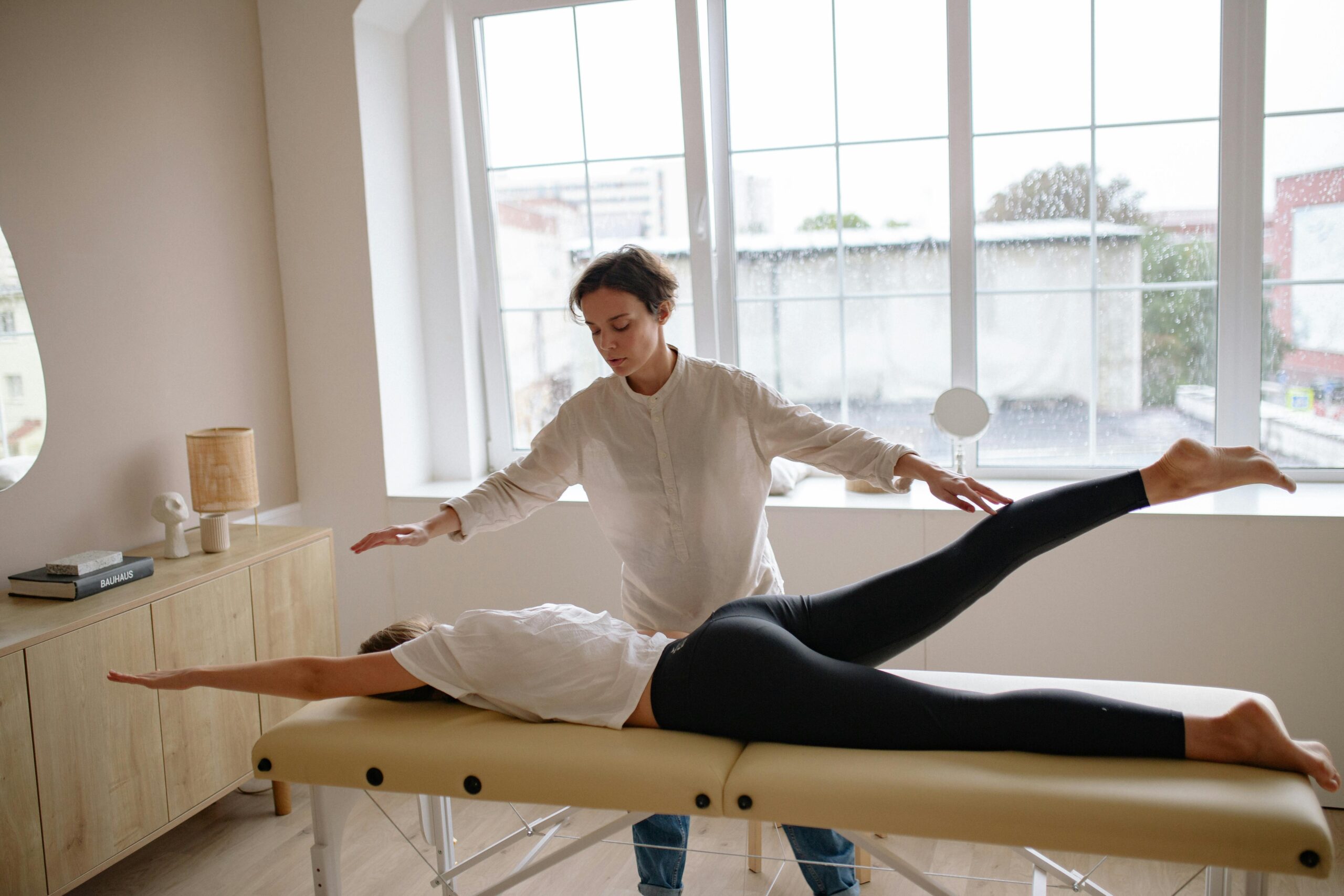
Building a strong core doesn’t require advanced gymnastics or extreme exercises. Understanding proper exercise regression allows everyone to develop foundational strength safely and effectively, regardless of their starting point.

Core training remains one of the most misunderstood aspects of fitness programming. Many people jump into challenging exercises without mastering fundamental movement patterns, leading to poor form, frustration, and potential injury. The key to sustainable core development lies in strategic regression—scaling exercises to match your current abilities while progressively building toward more advanced variations.
🎯 Why Core Exercise Regression Matters for Long-Term Success
Exercise regression isn’t about taking the easy route or admitting weakness. It’s a sophisticated training approach that ensures proper muscle activation, movement quality, and progressive overload. When you select appropriate regression levels, you create a sustainable pathway toward advanced core strength.
The core musculature includes not just your rectus abdominis (the six-pack muscles) but also the transverse abdominis, obliques, erector spinae, multifidus, and numerous smaller stabilizers. Each of these muscle groups requires specific activation patterns that are best learned through properly regressed movements.
Attempting exercises beyond your current capacity often results in compensation patterns where stronger muscle groups take over for weaker ones. This defeats the purpose of core training and can create muscular imbalances that persist for years. Strategic regression eliminates these compensations and builds authentic strength from the ground up.
Understanding Your Current Core Fitness Level
Before selecting appropriate regressions, you need an honest assessment of your current capabilities. Core strength exists on a spectrum, and identifying where you fall helps determine the most effective starting point for your training.
Beginner Level Indicators
You might be at a beginner level if you experience difficulty maintaining a neutral spine during basic movements, feel lower back discomfort during traditional core exercises, or cannot hold a basic plank position for 20 seconds with proper form. There’s absolutely no shame in starting here—everyone begins somewhere, and building from this foundation creates the strongest long-term results.
Beginners often lack mind-muscle connection with their core stabilizers. The transverse abdominis, which acts like a natural weight belt, may not activate properly during movement. This disconnection is normal and improves rapidly with consistent practice using appropriate regressions.
Intermediate Level Characteristics
Intermediate exercisers typically can hold a standard plank for 30-60 seconds, perform basic variations with good form, and understand core bracing concepts. However, they may struggle with dynamic movements, rotational exercises, or maintaining stability under increased loads.
At this level, the focus shifts from learning basic activation to building endurance, exploring movement variations, and introducing controlled instability. The progressions become more nuanced, targeting specific weaknesses while maintaining overall core integrity.
Advanced Practitioner Benchmarks
Advanced individuals demonstrate exceptional body control, can perform complex movement patterns with perfect form, and maintain core stability during challenging compound exercises. For these exercisers, regressions serve as tools for addressing specific weaknesses, recovering from injury, or preparing for even more demanding skills.
Essential Plank Regression Sequence 💪
The plank serves as the foundation of core training, teaching total-body tension and anti-extension stability. However, the traditional front plank is actually quite advanced, requiring significant strength to maintain proper position.
Wall Plank (Level 1)
Stand facing a wall at arm’s length. Place your forearms against the wall and lean forward, creating a straight line from head to heels. This vertical angle dramatically reduces the load while teaching proper body alignment and core bracing. Hold for 20-30 seconds, focusing on squeezing your glutes and keeping your ribs down.
The wall plank allows beginners to experience proper plank positioning without the overwhelming challenge of supporting full bodyweight. It’s also excellent for practicing breathing while maintaining tension—a skill that transfers to all core exercises.
Elevated Plank (Level 2)
Place your hands or forearms on an elevated surface like a bench, couch, or sturdy table. The higher the surface, the easier the exercise. This regression reduces load while increasing the stability challenge compared to the wall version. Start with 15-20 second holds and gradually lower the elevation as you build strength.
Knee Plank (Level 3)
Perform a traditional plank position but with knees on the ground instead of feet. Ensure your body forms a straight line from head to knees, not head to hips. Many people make the mistake of creating a pike position, which eliminates the training effect. Maintain tension through your entire body for 20-40 seconds.
Standard Plank (Level 4)
The classic front plank on toes and forearms represents the baseline standard everyone should work toward. Focus on creating full-body tension: squeeze your quads, glutes, and abs simultaneously while maintaining neutral spine alignment. Quality trumps duration—20 seconds of perfect form beats 60 seconds of sagging hips.
Dead Bug Progressions for Anti-Extension Control
The dead bug exercise teaches your core to resist spinal extension while moving your limbs independently—a fundamental skill for functional movement and injury prevention. This exercise family offers exceptional scalability for all fitness levels.
Bent Knee Hold (Foundational)
Lie on your back with knees bent to 90 degrees, shins parallel to the ceiling, and arms extended toward the ceiling. Press your lower back firmly into the floor and hold this position for 30-60 seconds. This teaches the basic core bracing pattern without the challenge of limb movement.
Focus on maintaining constant pressure between your lower back and the floor. If you feel your back arching away from the ground, your core has disengaged. This awareness is crucial for all subsequent progressions.
Single Limb Lowering (Beginner)
From the bent knee hold position, slowly lower one heel toward the floor while keeping the knee bent. Only lower as far as you can while maintaining lower back contact with the floor. Alternate legs for 6-10 repetitions per side. This introduces controlled movement while reducing the challenge of extended levers.
Contralateral Limb Lowering (Intermediate)
Lower opposite arm and leg simultaneously while keeping them bent. This creates a greater stability challenge as the nervous system coordinates diagonal movement patterns. The bent position still reduces leverage demands while teaching rotational stability.
Full Dead Bug (Advanced Regression)
Extend opposite arm and leg fully, lowering them toward the floor in a controlled manner. This represents the traditional dead bug and requires significant core control. Many people rush to this variation before mastering the foundational progressions, resulting in poor form and minimal training effect.
🔄 Bird Dog Exercise Regression Options
The bird dog develops anti-rotation strength, balance, and hip-shoulder coordination. It’s particularly valuable for people with lower back issues when performed with appropriate regressions.
Quadruped Hold with Neutral Spine
Start on hands and knees with a flat back. Simply hold this position while maintaining perfect spinal alignment for 30 seconds. This seems simple but teaches the foundational skill of maintaining neutral spine against gravity—essential for all bird dog variations.
Single Limb Extension
From quadruped position, extend just one arm or one leg at a time. Hold for 5-10 seconds per limb, focusing on maintaining level hips and shoulders. This half-bird dog builds stability and strength before combining movements.
Bird Dog with Knee Hovering
Lift opposite arm and leg, but keep the extended leg’s knee bent. This shortens the lever arm, making the exercise more accessible while still providing excellent training stimulus. Perform 8-12 controlled repetitions per side.
Full Bird Dog Extension
Extend opposite arm and leg fully, creating a straight line from fingertips to toes. Pause for 2-3 seconds at full extension before returning to start position. This advanced regression requires total-body control and significant core endurance.
Side Plank Modifications for Lateral Stability
Lateral core strength often gets neglected in training programs, yet it’s crucial for injury prevention and functional movement. Side planks target the obliques, quadratus lumborum, and hip stabilizers through anti-lateral flexion training.
Side-Lying Leg Lift
Lie on your side and simply lift the top leg while keeping your body relaxed on the floor. This introduces lateral hip activation without the stability demands of a true side plank. Perform 12-15 repetitions per side, focusing on controlled movement.
Side Plank from Knees
Stack your knees and support yourself on your forearm, lifting your hips off the ground. Keep your body in a straight line from head to knees. This significantly reduces the load while teaching proper side plank alignment. Hold for 15-25 seconds per side.
Staggered Foot Side Plank
Position your feet in a staggered stance rather than stacked. Place the bottom foot forward and top foot back for a wider base of support. This intermediate regression challenges stability more than the knee version while remaining more accessible than the full variation.
Standard Side Plank
Stack your feet, support yourself on your forearm, and create a straight line from head to heels. Maintain level hips throughout the hold. This represents the baseline everyone should work toward, providing comprehensive lateral core training.
Rotational Exercise Progressions 🔃
Rotational strength is essential for athletic movement and daily activities, yet it’s often trained with overly advanced exercises that compromise form and limit results.
Supine Core Rotation
Lie on your back with knees bent and feet on the floor. Keep your upper body stable while slowly lowering both knees to one side, then the other. This teaches rotational control in the easiest position possible. Perform 10-12 repetitions per side with controlled tempo.
Pallof Press (Kneeling)
Kneel perpendicular to a resistance band or cable attachment. Hold the handle at chest height and press straight forward, resisting the rotation force. The kneeling position reduces stability demands compared to standing variations. This is one of the safest and most effective rotational exercises across all fitness levels.
Russian Twist Regression
Sit with knees bent and feet on the floor. Lean back slightly and rotate your torso from side to side, tapping the floor beside your hips. Keeping your feet grounded makes this classic exercise much more accessible while still providing excellent rotational training stimulus.
Creating Your Personal Core Regression Plan
Selecting appropriate regressions requires honest self-assessment and strategic planning. Your program should challenge you without overwhelming your current capabilities or compromising form quality.
Assessment and Selection Guidelines
Choose the regression level where you can complete the prescribed duration or repetitions with perfect form but feel genuinely challenged. If an exercise feels easy throughout, progress to the next level. If you cannot maintain proper form for at least 50% of the set, regress one level.
Quality always supersedes quantity in core training. Ten seconds of perfect plank positioning builds more functional strength than sixty seconds of poor form with sagging hips and elevated shoulders.
Progressive Overload Strategies
Core training requires strategic progression to continue improving. You can increase difficulty by extending hold times, adding repetitions, slowing tempo, progressing to the next regression level, or combining multiple techniques.
A sustainable approach involves mastering each regression level thoroughly before advancing. Spend at least 2-3 weeks at each level, ensuring consistent perfect form across multiple training sessions before progressing.
Common Mistakes in Core Exercise Regression
Even with proper regression options, certain errors undermine training effectiveness and limit results. Understanding these pitfalls helps you avoid them in your own practice.
Progressing Too Quickly
The most common mistake involves rushing through regressions to reach “advanced” exercises. This ego-driven approach creates compensation patterns, limits strength development, and increases injury risk. Embrace your current level and trust the process—consistent work at appropriate intensities produces better results than sporadic attempts at exercises beyond your capacity.
Ignoring Breathing Patterns
Many people hold their breath during core exercises, creating artificial stability through increased intra-abdominal pressure. While this might allow you to hold positions longer, it doesn’t develop functional core strength that transfers to real-world activities. Practice continuous breathing while maintaining core tension throughout all exercises.
Neglecting Unilateral Imbalances
Most people have strength differences between left and right sides. If you notice one side struggles more during unilateral exercises like side planks or single-leg dead bugs, spend additional time working that side. Addressing imbalances prevents compensation patterns and reduces injury risk over time.
Integrating Core Regressions Into Complete Training Programs 📋
Core exercises don’t exist in isolation—they function best as part of comprehensive training programs that address all movement patterns and muscle groups.
For beginners, dedicate 10-15 minutes to focused core work 3-4 times per week. Choose one exercise from each category: anti-extension (plank variations), anti-lateral flexion (side planks), anti-rotation (pallof press or bird dogs), and rotation (controlled twists). Perform 2-3 sets of each exercise at your appropriate regression level.
Intermediate exercisers benefit from integrated core training within their regular workouts. Include core exercises as warm-up activation drills, between strength training sets, or as finishers after main lifts. This approach develops core endurance and teaches your body to maintain stability throughout various activities.
Advanced practitioners should use regressions strategically for deload weeks, recovery sessions, or when addressing specific weaknesses. Even elite athletes benefit from periodically returning to fundamental movements to reinforce proper patterns and prevent compensation habits.
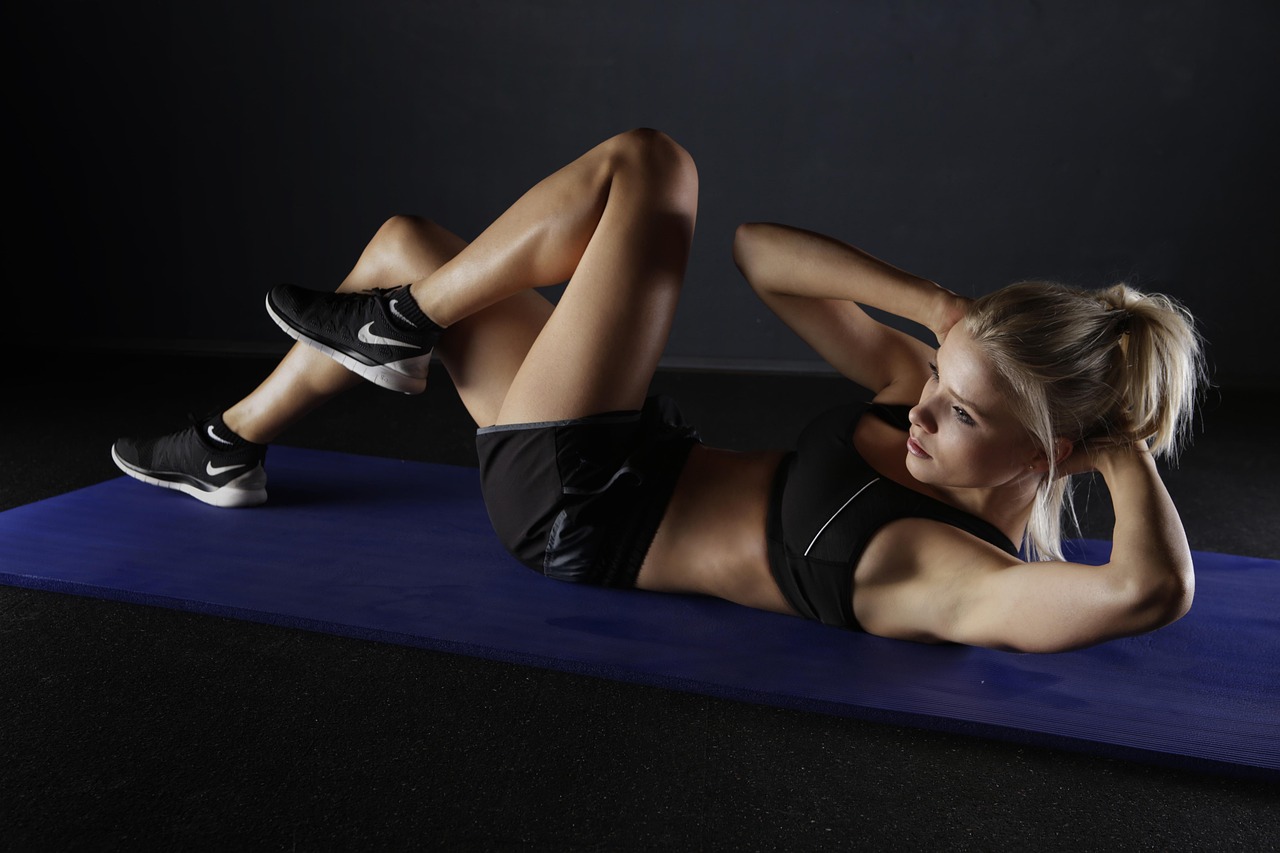
Your Roadmap to Unshakeable Core Strength
Building exceptional core strength isn’t about finding the hardest exercise or pushing through pain. It’s about meeting yourself where you are, selecting appropriate challenges, and progressing systematically over time. The regressions outlined here provide that roadmap, offering entry points for complete beginners while maintaining value for advanced exercisers.
Remember that core development is a marathon, not a sprint. Consistency with properly regressed exercises produces far better results than sporadic attempts at advanced variations. Start with exercises that allow perfect form, master each level before progressing, and trust that small improvements compound into significant strength gains over weeks and months.
Your core serves as the foundation for virtually all human movement. Investing time in building that foundation properly—through strategic regression and patient progression—pays dividends across every aspect of your physical performance and daily life. Begin where you are, embrace the process, and watch your capabilities expand far beyond what seemed possible when you started.