Living with joint pain doesn’t mean you have to give up on fitness. Millions of people worldwide struggle to maintain an active lifestyle because traditional exercises aggravate their joints, leading to discomfort and discouragement.

The good news is that staying active and managing joint pain aren’t mutually exclusive goals. With the right approach and exercise alternatives, you can build strength, improve flexibility, and enhance your overall health without putting unnecessary stress on your joints. Whether you’re recovering from an injury, managing arthritis, or simply looking to prevent joint problems, discovering joint-friendly exercises can transform your fitness journey.
🌊 Why Water-Based Workouts Are Your Joints’ Best Friend
Water exercises provide one of the most effective low-impact workout options available. The buoyancy of water supports your body weight, reducing stress on joints by up to 90% while still providing resistance for muscle strengthening.
Swimming laps offers a full-body cardiovascular workout that burns calories without the jarring impact of running or jumping. The natural resistance of water helps build muscle tone while keeping your joints safe from excessive pressure.
Aqua aerobics classes combine cardiovascular exercise with strength training in a supportive environment. These classes typically include movements like water walking, leg lifts, and arm exercises that would be challenging on land but become manageable in water.
Water jogging involves running in deep water while wearing a flotation belt. This activity delivers all the cardiovascular benefits of traditional running without any impact on your knees, hips, or ankles. It’s particularly beneficial for runners dealing with joint issues who don’t want to lose their conditioning.
Getting Started with Water Workouts
Begin with just 15-20 minutes in the pool and gradually increase your time as your endurance improves. Most community centers and gyms offer pool access at affordable rates, and many provide specialized aquatic fitness programs designed for people with joint concerns.
🚴 Cycling Your Way to Joint-Healthy Fitness
Cycling stands out as an exceptional joint-friendly exercise that strengthens leg muscles while maintaining cardiovascular health. The circular pedaling motion promotes joint mobility without the impact associated with walking or running.
Stationary bikes offer complete control over resistance and intensity, making them perfect for people managing joint pain. Recumbent bikes provide additional back support and position your body in a way that minimizes stress on the hips and knees.
Outdoor cycling on flat terrain provides similar benefits with the added advantage of fresh air and changing scenery. Start with shorter distances on level paths before gradually introducing gentle hills as your strength and confidence grow.
The key to joint-friendly cycling lies in proper bike setup and technique. Ensure your seat height allows for a slight knee bend at the bottom of the pedal stroke, and avoid high resistance settings that force you to strain against the pedals.
🧘 Yoga and Stretching for Joint Mobility and Strength
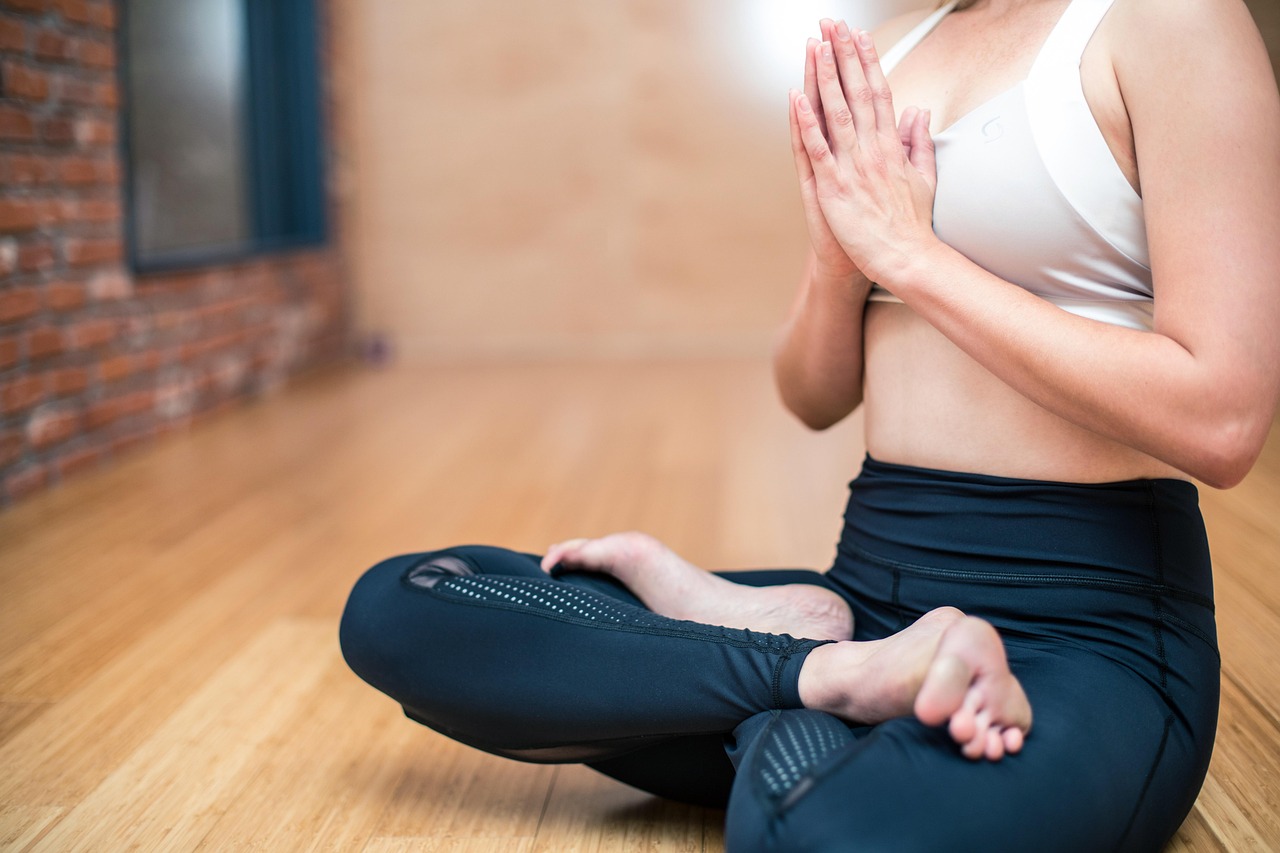
Yoga offers remarkable benefits for joint health by combining gentle movement, stretching, and strengthening in one practice. Unlike high-impact exercises, yoga allows you to work within your comfort zone while gradually expanding your range of motion.
Gentle yoga styles like Hatha, Yin, or Restorative yoga focus on holding poses for longer periods, allowing your muscles and joints to release tension naturally. These practices improve flexibility without forcing your body into uncomfortable positions.
Chair yoga makes the benefits of yoga accessible to people with significant joint limitations or mobility issues. All poses are performed while seated or using a chair for support, eliminating balance concerns and reducing stress on weight-bearing joints.
Regular stretching routines, even outside of formal yoga practice, help maintain joint flexibility and reduce stiffness. Dedicate 10-15 minutes daily to gentle stretching, focusing on major joint areas like shoulders, hips, knees, and ankles.
Essential Joint-Friendly Yoga Poses
- Cat-Cow Stretch for spinal mobility and core engagement
- Child’s Pose for gentle hip and back stretching
- Seated Forward Fold for hamstring flexibility
- Bridge Pose for strengthening glutes and supporting the lower back
- Supine Twist for spinal rotation and hip flexibility
💪 Strength Training Without the Joint Strain
Building muscle strength is crucial for joint health, as strong muscles provide better support and stability for your joints. However, traditional weightlifting can sometimes aggravate joint problems if not done correctly.
Resistance bands offer an excellent alternative to free weights and machines. They provide variable resistance that increases as you stretch the band, creating muscle tension without the jarring impact of dropping or lifting heavy weights.
Bodyweight exercises can be modified to accommodate various fitness levels and joint concerns. Wall push-ups instead of floor push-ups, modified squats with limited range of motion, and supported lunges allow you to build strength progressively.
Isometric exercises involve holding positions without moving your joints through their full range of motion. These exercises build strength while minimizing joint stress and can be performed almost anywhere without equipment.
Smart Strength Training Principles
Focus on higher repetitions with lower resistance rather than heavy weights with few repetitions. This approach builds muscular endurance and strength without overloading your joints. Aim for 12-15 repetitions per set rather than the traditional 6-8 for heavy lifting.
Allow adequate recovery time between strength training sessions. Your joints need 48 hours to recover from resistance exercise, so alternate muscle groups or schedule rest days to prevent overuse injuries.
🚶 Walking: The Underrated Joint-Friendly Exercise
Walking might seem too simple to be effective, but it’s one of the best exercises for maintaining joint health while improving cardiovascular fitness. Regular walking strengthens muscles around your joints, improves balance, and helps maintain a healthy weight.
Nordic walking, which involves using specially designed poles, distributes the exercise effort across your entire body. This technique reduces stress on lower body joints while engaging your arms, shoulders, and core for a more complete workout.
Treadmill walking with shock-absorbing surfaces provides a gentler alternative to concrete or asphalt. Many modern treadmills offer cushioned decks that significantly reduce impact compared to outdoor surfaces.
Walking in nature on soft surfaces like grass, dirt trails, or sand naturally reduces impact on your joints. These natural surfaces provide give that hard pavements don’t, making each step easier on your knees and hips.
🎯 Tai Chi and Qigong for Gentle Movement
These ancient Chinese practices combine slow, flowing movements with breathing techniques and meditation. Research consistently shows that Tai Chi improves balance, reduces fall risk, and decreases joint pain in people with arthritis.
The gentle, continuous movements in Tai Chi never stress your joints beyond comfortable ranges of motion. Each movement transitions smoothly into the next, creating a meditation in motion that benefits both body and mind.
Qigong similarly emphasizes gentle movements coordinated with breathing. These exercises are typically simpler than Tai Chi forms, making them accessible to beginners and people with significant physical limitations.
Both practices can be learned through classes, online videos, or instructional apps. The social aspect of group classes provides additional motivation and support, while home practice offers convenience and flexibility.
🏋️ Pilates for Core Strength and Joint Stability
Pilates focuses on controlled movements that strengthen your core muscles, which in turn provides better support for all your joints. The emphasis on proper alignment and technique makes it particularly beneficial for people concerned about joint health.
Mat Pilates uses your body weight and occasionally small props like resistance bands or balls. These exercises can be easily modified to accommodate different fitness levels and joint concerns.
Reformer Pilates utilizes a specialized machine that provides spring-based resistance. The machine’s sliding carriage and adjustable springs allow for smooth, controlled movements that protect your joints while building strength.
The principles of Pilates—concentration, control, centering, flow, precision, and breathing—create a mindful approach to exercise that helps you tune into your body’s signals and avoid pushing into painful ranges of motion.
📊 Comparing Joint-Friendly Exercise Options
| Exercise Type | Impact Level | Equipment Needed | Best For |
|---|---|---|---|
| Swimming | Very Low | Pool access | Full-body workout, severe joint issues |
| Cycling | Low | Bike or stationary bike | Lower body strength, cardio fitness |
| Yoga | Low | Mat, optional props | Flexibility, balance, stress relief |
| Walking | Low to Moderate | Comfortable shoes | General fitness, weight management |
| Tai Chi | Very Low | None | Balance, gentle movement, mindfulness |
| Resistance Bands | Very Low | Resistance bands | Strength training, home workouts |
🔧 Making Exercise Work for Your Specific Joints
Different joints require different considerations when designing your exercise program. Understanding which exercises benefit specific joints helps you create a personalized routine that addresses your unique needs.
For knee concerns, focus on strengthening the quadriceps and hamstrings without deep knee bends. Straight leg raises, shallow squats, and cycling are excellent choices. Avoid exercises that require deep squatting, kneeling on hard surfaces, or sudden direction changes.
Hip health benefits from exercises that strengthen the glutes and hip stabilizers while maintaining flexibility. Clamshells, side-lying leg lifts, and hip circles work well. Swimming and water aerobics are particularly beneficial for hip arthritis.
Shoulder problems require careful attention to form and range of motion. Focus on strengthening the rotator cuff muscles with resistance bands, and avoid overhead movements if they cause pain. Swimming may need to be modified based on your specific shoulder condition.
Listening to Your Body’s Signals
Learn to distinguish between the temporary discomfort of working muscles and pain that signals joint problems. Mild muscle soreness that appears 24-48 hours after exercise is normal. Sharp pain during exercise, joint swelling, or pain that persists for days indicates you need to modify your approach.
⏰ Creating Your Joint-Friendly Exercise Schedule
Consistency matters more than intensity when it comes to joint health and overall fitness. Aim for at least 150 minutes of moderate-intensity exercise weekly, spread across several days rather than cramming it into one or two marathon sessions.
Mix different types of exercises throughout the week to work different muscle groups and prevent repetitive stress on any single joint. For example, swim on Monday and Thursday, practice yoga on Tuesday and Saturday, and take walks on Wednesday and Sunday.
Include warm-up and cool-down periods in every exercise session. Spend 5-10 minutes with gentle movement and dynamic stretching before your main workout, and finish with static stretching to maintain flexibility and reduce muscle tension.
Schedule rest days strategically to allow your body time to recover and adapt. Active recovery days might include gentle stretching, easy walking, or restorative yoga rather than complete inactivity.
🍎 Supporting Your Joints Beyond Exercise
Exercise is just one component of comprehensive joint health. Your diet, hydration, sleep quality, and stress management all influence how your joints feel and function.
Anti-inflammatory foods like fatty fish, leafy greens, berries, and nuts support joint health from the inside out. Stay well-hydrated to maintain the synovial fluid that lubricates your joints and cushions impacts.
Maintaining a healthy weight reduces stress on weight-bearing joints significantly. Each pound of excess weight translates to approximately four pounds of pressure on your knees with every step.
Quality sleep allows your body to repair and regenerate tissues, including the cartilage and connective tissues in your joints. Aim for 7-9 hours of sleep nightly in a supportive sleeping position.
🎯 Tracking Progress and Staying Motivated
Monitor your exercise routine, pain levels, and overall well-being to identify patterns and celebrate improvements. A simple journal noting your activities, how you felt during and after exercise, and any pain or stiffness helps you optimize your routine.
Set realistic, specific goals that focus on function rather than just fitness metrics. Instead of “lose 20 pounds,” try “walk for 30 minutes without knee pain” or “complete a yoga class without modifications.” These functional goals directly relate to improving your daily life.
Find an exercise buddy or join a class to add social accountability and enjoyment to your routine. Many people find that scheduled classes or workout partners help them stay consistent when motivation wanes.
Celebrate small victories along the way. Notice when stairs become easier, when you can reach a little farther in a stretch, or when you complete a workout that seemed impossible weeks ago. These milestones confirm that your joint-friendly approach is working.
💡 Working with Healthcare Professionals
Before starting any new exercise program, especially if you have existing joint conditions, consult with your doctor or a physical therapist. They can identify specific limitations and recommend modifications tailored to your situation.
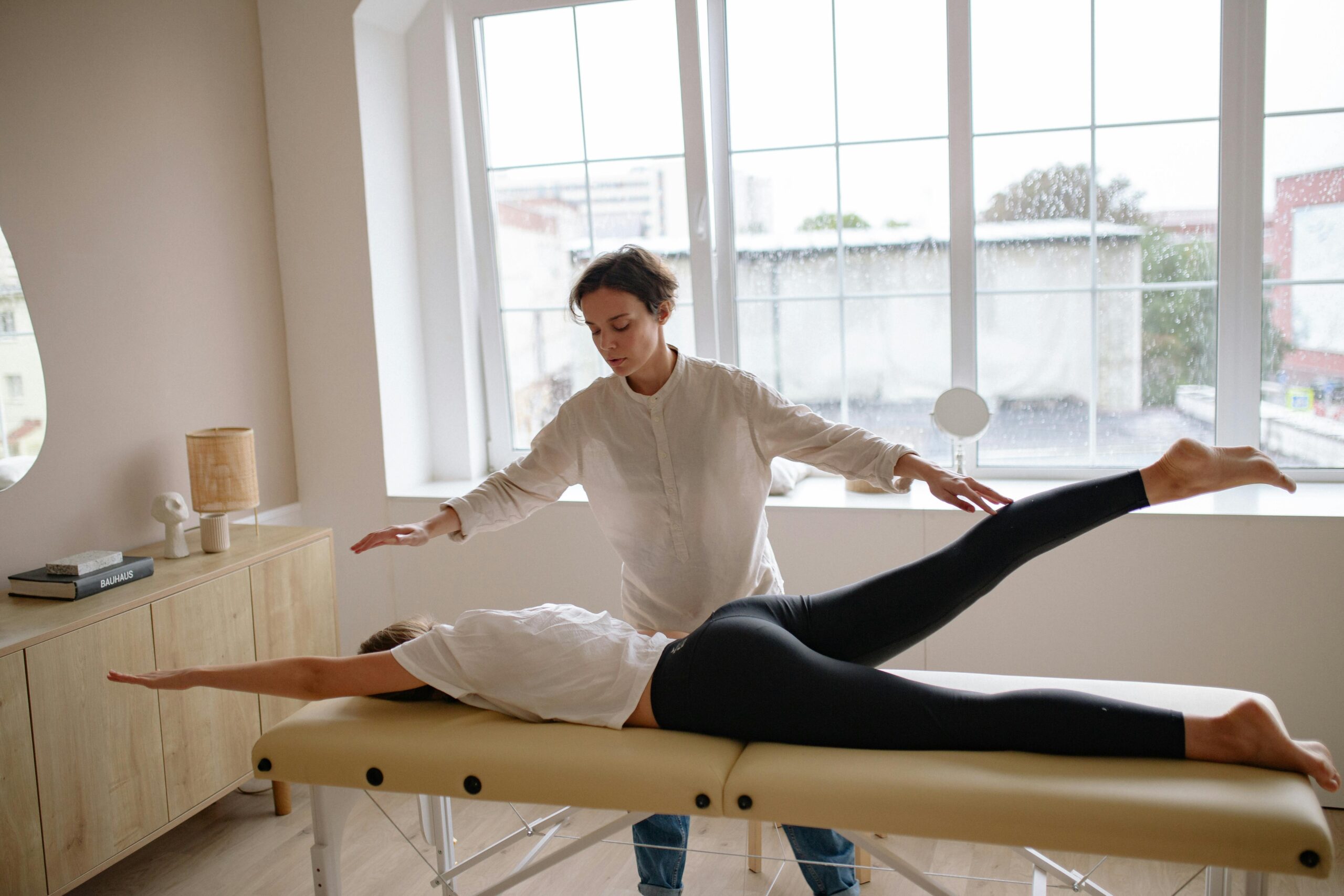
Physical therapists specialize in creating exercise programs that address joint problems while building strength and function. Even a few sessions can provide valuable insights into proper form, helpful modifications, and exercises that specifically target your problem areas.
Personal trainers with experience in adaptive fitness or senior fitness often have extensive knowledge of joint-friendly exercise modifications. Look for certifications in corrective exercise or functional training when seeking professional guidance.
Regular check-ins with healthcare providers help you adjust your exercise routine as your condition changes. What works today might need modification in the future, and professional guidance ensures you’re always exercising safely and effectively.
🌟 Embracing Your Active, Pain-Free Future
Living with joint concerns doesn’t mean accepting a sedentary lifestyle. The wide variety of joint-friendly exercise alternatives ensures that everyone can find activities they enjoy that support their health goals without causing pain.
Start slowly, choose activities you genuinely enjoy, and remember that consistency over time produces better results than occasional intense efforts. Your joints will thank you for choosing gentle, sustainable exercise approaches that you can maintain for years to come.
The journey to staying active and pain-free is personal and unique to each individual. Experiment with different exercise types, listen to your body’s feedback, and be patient with yourself as you discover what works best for your joints and lifestyle.
With the right approach, you can maintain strength, flexibility, and cardiovascular health throughout your life while keeping your joints happy and functional. The alternatives explored in this article provide a solid foundation for creating an exercise routine that supports your overall wellness without compromising your joint health. 💪