
Achieving fitness goals requires more than just motivation—it demands consistency, planning, and accountability. Training routine accountability trackers have emerged as game-changing tools that transform how we approach our health and wellness journeys.

Whether you’re a seasoned athlete or just beginning your fitness adventure, staying committed to your workout regimen can be challenging. The modern solution lies in leveraging technology to monitor progress, celebrate milestones, and maintain unwavering dedication to your personal fitness objectives.
Why Traditional Workout Planning Falls Short 📉
Many fitness enthusiasts start their journey with enthusiasm, armed with notebooks, spreadsheets, or mental notes about their training plans. However, these traditional methods often lack the dynamic features needed to sustain long-term commitment. Without real-time feedback, visual progress indicators, and structured accountability mechanisms, even the most determined individuals can lose momentum.
The disconnect between intention and execution becomes evident when life gets busy. Missed workouts go unrecorded, progress becomes difficult to measure, and the absence of accountability partners makes it easier to skip sessions. This is precisely where training routine accountability trackers revolutionize the fitness landscape.
The Psychology Behind Accountability in Fitness 🧠
Research consistently demonstrates that accountability significantly increases the likelihood of achieving goals. When we commit to tracking our workouts and sharing progress with others or simply recording it for ourselves, we create psychological contracts that strengthen our resolve.
Training routine accountability trackers tap into several powerful psychological principles. The Hawthorne effect suggests that people modify behavior when they know they’re being observed or monitored. Similarly, the simple act of logging workouts creates a visual record that triggers our innate desire for consistency and pattern completion.
The Power of Visible Progress
Humans are visual creatures. When we can see our progress represented through graphs, charts, and achievement badges, our brains release dopamine—the same neurotransmitter associated with reward and motivation. This biological response reinforces positive behavior and makes us more likely to continue our fitness routines.
Accountability trackers transform abstract concepts like “getting stronger” or “improving endurance” into concrete, measurable data points. This transformation is crucial for maintaining motivation during plateaus or challenging periods when physical changes might not be immediately visible.
Essential Features of Effective Training Trackers 💪
Not all fitness tracking solutions are created equal. The most effective training routine accountability trackers incorporate specific features that address the multifaceted nature of fitness goal achievement.
Customizable Workout Planning
The best trackers allow you to design personalized training programs that align with your specific goals, whether that’s building muscle, losing weight, improving cardiovascular health, or training for competitive events. Flexibility in creating and modifying routines ensures the tool adapts to your evolving needs rather than forcing you into rigid templates.
Progress Visualization and Analytics
Comprehensive data visualization transforms raw numbers into meaningful insights. Quality trackers provide graphs showing strength gains, endurance improvements, workout frequency, and consistency patterns over time. These visual representations make it easier to identify what’s working and where adjustments might be necessary.
Reminder and Notification Systems
Even with the best intentions, forgetting scheduled workouts happens. Smart notification systems send timely reminders that keep your training routine top-of-mind without becoming intrusive. The most sophisticated trackers learn your patterns and adjust reminders to maximize effectiveness.
Social Accountability Features
Many advanced trackers incorporate social elements that allow you to connect with workout partners, join challenges, or share achievements with supportive communities. This social dimension adds an extra layer of accountability—it’s harder to skip a workout when your training buddy is expecting you or when your progress is visible to encouraging peers.
How Technology Enhances Traditional Workout Logging 📱
Digital training routine accountability trackers offer capabilities that paper logs and spreadsheets simply cannot match. The convenience of having your entire fitness history accessible on your smartphone means you can log workouts immediately after completing them, review past performance before starting a session, and make data-driven decisions about your training approach.
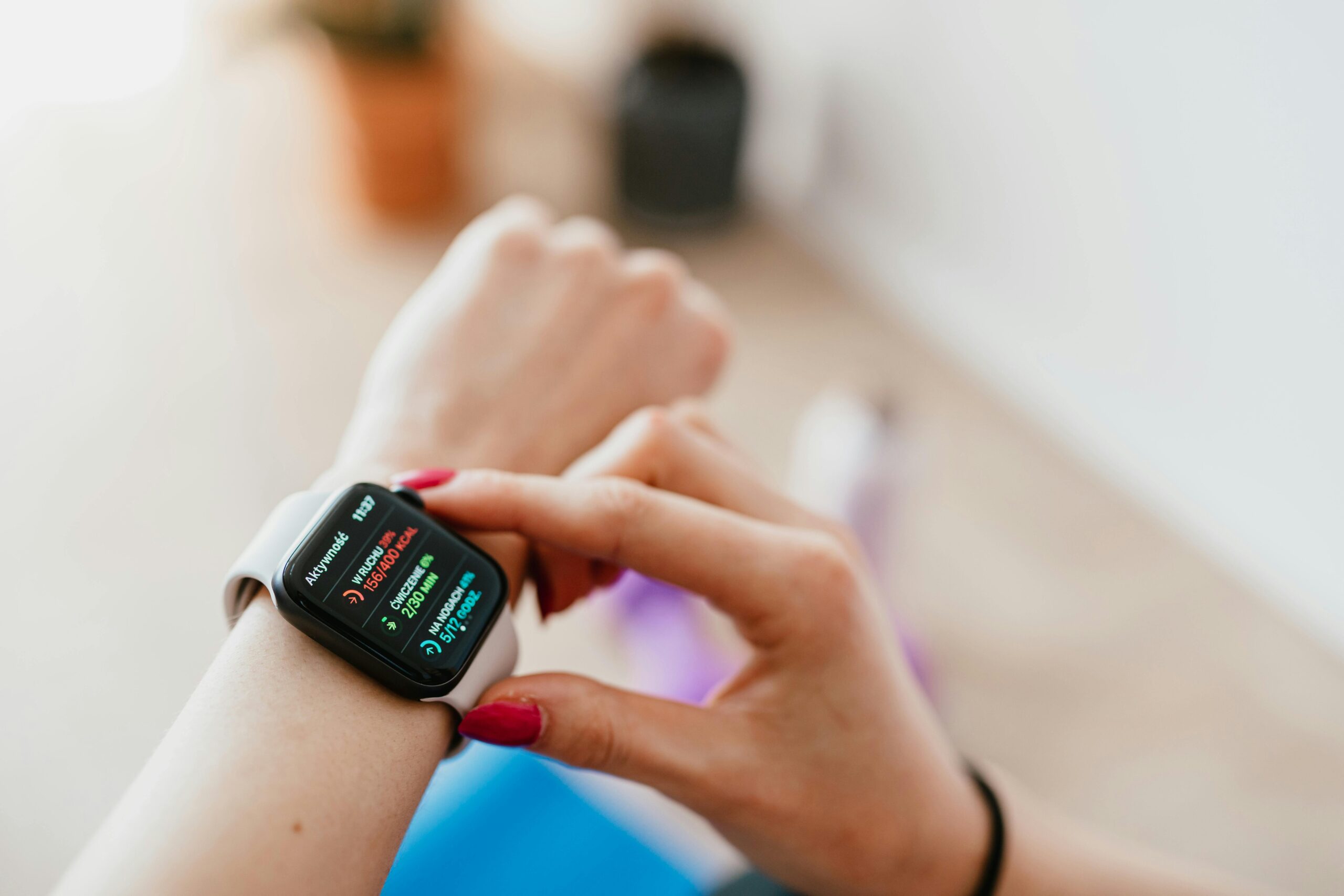
Integration with wearable fitness devices adds another dimension of accuracy and convenience. Heart rate data, calories burned, sleep quality, and recovery metrics can all feed into your accountability tracker, creating a holistic picture of your fitness journey that accounts for factors beyond just sets and reps.
Real-Time Adjustments and Adaptive Programming
Advanced trackers use algorithms to analyze your performance patterns and suggest modifications to your training routine. If you’re consistently failing to complete planned workouts, the system might recommend scaling back intensity. Conversely, if you’re breezing through sessions, it might suggest progressive overload to continue challenging your body.
This adaptive approach mirrors what a personal trainer provides but at a fraction of the cost and with 24/7 availability. The technology learns from your inputs and becomes increasingly personalized over time.
Overcoming Common Fitness Roadblocks with Tracking 🚧
Every fitness journey encounters obstacles. Training routine accountability trackers serve as powerful tools for navigating these challenges and maintaining progress even when motivation wanes.
Breaking Through Plateaus
Plateaus are frustrating but inevitable. When progress stalls, detailed tracking data becomes invaluable for diagnosis. By analyzing workout logs, you might discover that you’ve been performing the same exercises at the same intensity for too long, or that inadequate rest days are preventing recovery and adaptation.
Trackers that incorporate periodization principles can automatically vary training variables like volume, intensity, and exercise selection to prevent adaptation and keep progress moving forward.
Managing Inconsistency
Life happens, and perfect consistency is unrealistic. However, accountability trackers help minimize the impact of disruptions by providing structure and making it easier to resume your routine after interruptions. The visual record of past consistency serves as motivation to get back on track rather than viewing a few missed sessions as complete failure.
Preventing Overtraining
While accountability typically focuses on doing more, quality trackers also help prevent overtraining by monitoring workout frequency, intensity, and recovery indicators. When patterns suggest you’re pushing too hard without adequate rest, the system can alert you to scale back and prioritize recovery.
Building Sustainable Long-Term Fitness Habits ⏳
The ultimate goal of any fitness tracking system isn’t just short-term results but the establishment of lifelong healthy habits. Training routine accountability trackers facilitate this transformation by making consistency easier and more rewarding.
Habit formation research indicates that behaviors become automatic after sufficient repetition in consistent contexts. Trackers support this process by removing decision fatigue—you don’t need to figure out what workout to do each day; the plan is already there. This reduces friction and makes following through significantly easier.
Celebrating Small Wins
Sustainable progress comes from accumulating small victories over time. Accountability trackers excel at highlighting these incremental improvements that might otherwise go unnoticed. Completing your scheduled workouts for a full week, adding an extra rep to your bench press, or shaving seconds off your mile time all deserve recognition.
Many trackers incorporate achievement systems with badges, streaks, and milestone celebrations that provide positive reinforcement. These psychological rewards help bridge the gap between immediate effort and delayed physical results.
Choosing the Right Accountability Tracker for Your Needs 🎯
With countless fitness apps and tracking solutions available, selecting the right one requires consideration of your specific goals, preferences, and training style.
Factors to Consider
- Goal Alignment: Ensure the tracker specializes in your primary objective, whether that’s strength training, running, yoga, or general fitness.
- User Interface: A tracker you find confusing or tedious won’t be used consistently. Look for intuitive design and smooth user experience.
- Integration Capabilities: If you use wearable devices or other health apps, choose a tracker that integrates seamlessly with your existing ecosystem.
- Community Features: Decide whether social accountability elements enhance or detract from your personal motivation style.
- Cost Structure: Evaluate whether free versions provide sufficient features or if premium subscriptions offer worthwhile value for your situation.
- Data Privacy: Review how the platform handles your personal health information and whether their privacy policies align with your comfort level.
Popular Training Tracker Categories
Different types of trackers serve different needs. Strength training apps focus on logging exercises, sets, reps, and weight progression. Running apps emphasize distance, pace, and route mapping. Comprehensive fitness platforms attempt to cover multiple training modalities with varying degrees of specialization.
Some trackers excel at providing pre-built programs with step-by-step guidance, ideal for beginners who need structure. Others offer blank-slate flexibility that appeals to experienced athletes with specific training protocols they prefer to follow.
Maximizing Your Tracker’s Effectiveness 🔥
Simply downloading a training routine accountability tracker won’t automatically transform your fitness journey. Success requires intentional implementation and consistent engagement with the tool.
Establish a Logging Routine
Make workout logging as automatic as the workouts themselves. Develop the habit of recording sessions immediately after completion when details are fresh in your mind. This consistency ensures accurate data and prevents the frustration of trying to remember what you did several days ago.
Review Progress Regularly
Schedule weekly or monthly review sessions where you analyze your tracking data. Look for patterns, celebrate progress, identify areas needing adjustment, and set specific targets for the upcoming period. This reflective practice transforms raw data into actionable insights.
Balance Numbers with Intuition
While data provides valuable objectivity, don’t ignore how your body feels. Sometimes metrics suggest you should push harder, but fatigue or minor discomfort indicates rest would be wiser. The best approach combines quantitative tracking with qualitative self-awareness.
Share Selectively for Accountability
If your tracker includes social features, thoughtfully choose accountability partners who will provide genuine support and encouragement. Quality matters more than quantity—one committed training partner who checks in regularly is more valuable than hundreds of passive followers.
The Future of Fitness Accountability Technology 🚀
Training routine accountability trackers continue evolving with advancing technology. Artificial intelligence increasingly personalizes recommendations based on individual response patterns. Virtual and augmented reality promise immersive training experiences that make workouts more engaging.
Biometric sensors are becoming more sophisticated and accessible, providing deeper insights into recovery, stress levels, and readiness to train. Integration of nutrition tracking, sleep monitoring, and mental wellness creates holistic health ecosystems rather than isolated fitness tools.
Gamification elements are growing more sophisticated, creating compelling challenges and reward systems that tap into our natural competitive instincts and desire for achievement. These developments make staying accountable not just easier but genuinely enjoyable.
Transforming Intentions into Results ✨
The gap between fitness intentions and actual results has challenged countless individuals. Training routine accountability trackers bridge this gap by providing structure, visibility, motivation, and support throughout the journey.
These tools don’t replace hard work—you still need to show up and put in effort. However, they remove friction, provide direction, maintain motivation during difficult periods, and celebrate progress along the way. This combination of practical utility and psychological support creates an environment where sustainable fitness success becomes significantly more achievable.
By transforming abstract goals into concrete action plans, invisible progress into visible data, and solitary efforts into connected experiences, accountability trackers revolutionize how we approach fitness. They shift the focus from sporadic bursts of motivation to consistent, measured progress—the true foundation of lasting transformation.
Taking Your First Step Forward 👟
If you’ve struggled with fitness consistency, felt frustrated by lack of progress, or simply want to optimize your training effectiveness, implementing a training routine accountability tracker represents a powerful next step. The technology exists to support your goals; the question is whether you’ll leverage it.
Start by clarifying your specific fitness objectives. Are you training for strength, endurance, weight loss, or athletic performance? This clarity will guide your tracker selection. Then, commit to genuinely engaging with the tool—not just downloading it, but actively logging workouts, reviewing progress, and adjusting your approach based on insights gained.
Remember that the tracker is a tool, not a magic solution. Its effectiveness depends on your consistent use and honest engagement. However, when properly implemented, these accountability systems dramatically increase your likelihood of achieving and maintaining your fitness goals.
The difference between those who achieve their fitness aspirations and those who don’t often comes down to systems and accountability. By revolutionizing your approach with a training routine accountability tracker, you’re not just changing how you work out—you’re fundamentally transforming your relationship with fitness and creating the foundation for lifelong health and wellness.
Your fitness journey deserves more than hope and good intentions. It deserves a system that keeps you on track, celebrates your progress, and supports you through challenges. The revolution in fitness accountability technology makes this support more accessible than ever before. The only question remaining is: are you ready to get started?