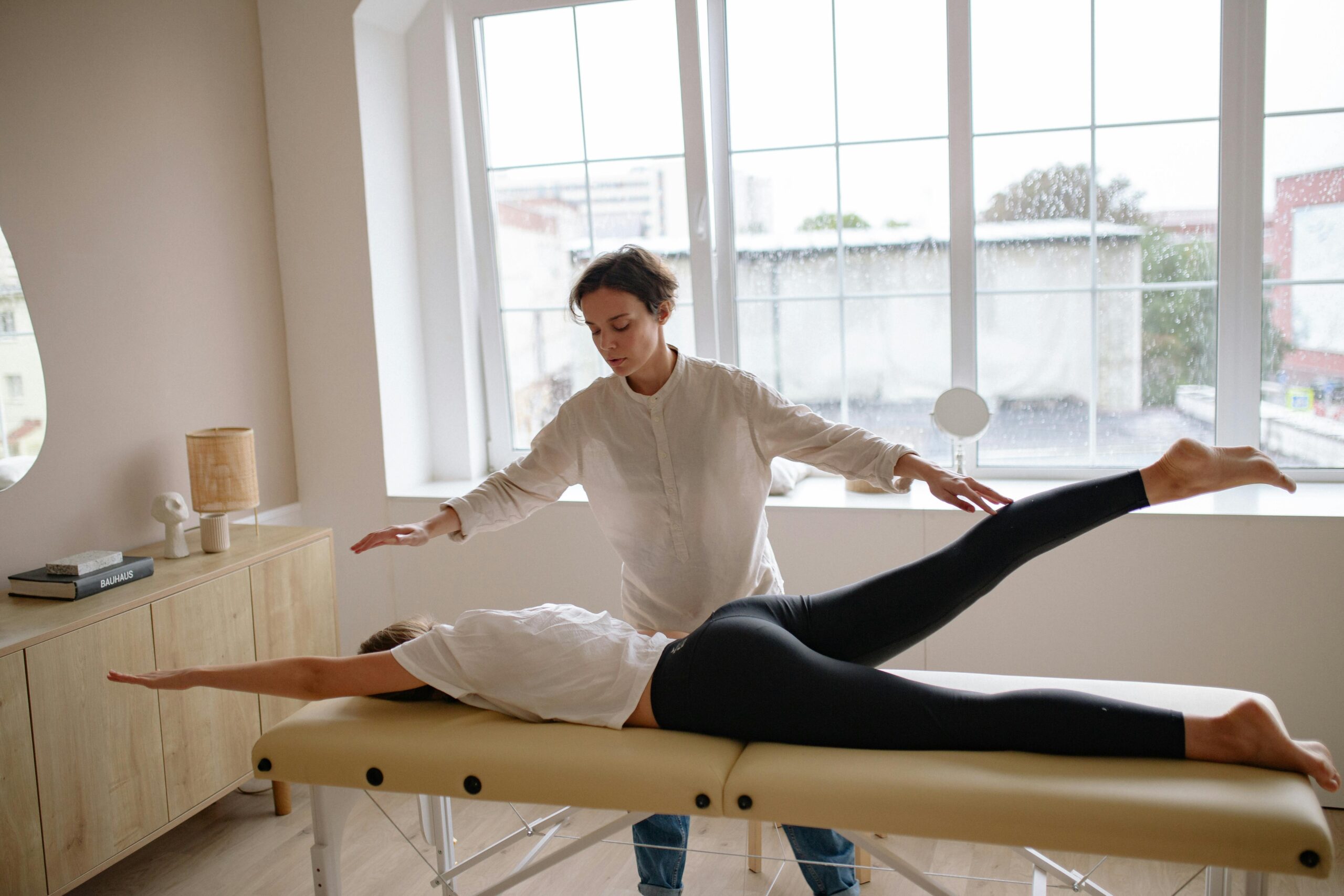
Movement is life, and when your joints work harmoniously, every step, reach, and bend becomes effortless. Unfortunately, millions suffer from chronic joint pain and restricted mobility that interfere with daily activities and overall quality of life.

Whether you’re an athlete seeking peak performance, a fitness enthusiast wanting to prevent injuries, or someone simply looking to move without discomfort, understanding joint alignment is fundamental. This comprehensive guide will equip you with actionable strategies to master your mobility, eliminate pain, and unlock your body’s full potential through proper joint alignment and movement patterns.
🔍 Understanding the Foundation: What Is Joint Alignment?
Joint alignment refers to the optimal positioning of bones, muscles, ligaments, and tendons that allow your joints to function with minimal stress and maximum efficiency. When joints are properly aligned, forces distribute evenly across cartilage and surrounding tissues, reducing wear and tear while promoting fluid movement.
Poor alignment creates compensation patterns throughout your kinetic chain. For instance, collapsed arches in your feet can trigger a cascade of misalignment up through your ankles, knees, hips, and even your spine. This domino effect explains why addressing joint alignment requires a whole-body approach rather than focusing on isolated problem areas.
The human body contains over 360 joints, each designed for specific movement patterns. Synovial joints like shoulders and hips allow for extensive range of motion, while others like those in your spine provide stability with limited mobility. Understanding these distinctions helps you appreciate why different joints require different alignment strategies.
⚠️ The Hidden Cost of Misalignment
Chronic misalignment doesn’t just cause immediate discomfort—it accelerates degenerative processes that can lead to osteoarthritis, chronic inflammation, and permanent structural damage. When joints operate outside their optimal alignment, uneven pressure concentrates on specific cartilage areas, gradually wearing them down.
Beyond physical deterioration, joint pain significantly impacts mental health and lifestyle. Studies show that individuals with chronic joint problems experience higher rates of depression, anxiety, and social isolation. The inability to participate in favorite activities or perform basic tasks independently diminishes overall life satisfaction and independence.
The economic burden is substantial too. Healthcare costs, lost productivity, and reduced earning capacity associated with joint problems amount to billions annually. Preventive alignment practices represent a wise investment in your long-term health and financial wellbeing.
🎯 The Ultimate Joint Alignment Checklist
Ankle and Foot Alignment
Your foundation matters immensely. Begin your alignment assessment by examining your feet in standing position. Your weight should distribute evenly across three points: the heel, the base of your big toe, and the base of your little toe. This tripod creates a stable platform for everything above.
Check whether your arches maintain their natural curve or collapse inward (pronation) or roll outward (supination). Excessive pronation is extremely common and contributes to knee valgus, hip internal rotation, and lower back strain. Address this by strengthening your tibialis posterior muscle and considering appropriate footwear or orthotics.
Perform the single-leg balance test: stand on one foot for 30 seconds. If your ankle wobbles excessively or your arch collapses, you need proprioceptive training and stabilizer muscle strengthening. Simple exercises like towel scrunches, toe spreads, and calf raises can dramatically improve foot and ankle alignment.
Knee Joint Positioning
Healthy knees track directly over your second toe during all movements—squatting, walking, climbing stairs, or landing from jumps. Knee valgus (knees caving inward) is one of the most common alignment faults and a primary risk factor for ACL injuries and patellofemoral pain syndrome.
Assess your knee alignment by performing a body-weight squat while facing a mirror. Do your knees dive inward or bow outward? Proper alignment maintains vertical shin angles with knees pointing the same direction as your toes. Weakness in hip abductors and external rotators commonly causes valgus collapse.
The vastus medialis oblique (VMO), the teardrop-shaped muscle on your inner thigh above the knee, plays a crucial role in patellar tracking. Strengthening this muscle through terminal knee extensions and controlled eccentric movements helps maintain proper kneecap alignment within the femoral groove.
Hip and Pelvis Alignment
The pelvis serves as your body’s center of gravity and power distribution hub. Anterior pelvic tilt (excessive arch in lower back) or posterior tilt (flat back) both compromise spinal health and hip function. Neutral pelvis maintains a natural lordotic curve allowing optimal force transmission.
Stand sideways to a mirror and identify your ASIS (hip bones at front) and PSIS (dimples at lower back). In ideal alignment, these landmarks form a vertical line. Tight hip flexors and weak glutes commonly cause anterior tilt, while tight hamstrings and weak hip extensors create posterior tilt.
Hip joint mobility in all planes—flexion, extension, abduction, adduction, and rotation—is essential for pain-free movement. Restricted hip mobility forces compensatory movement at the lumbar spine and knees, accelerating degeneration in these areas. Regular hip mobility work prevents this compensation cascade.
Spinal Alignment and Core Stability
Your spine consists of natural curves—cervical lordosis, thoracic kyphosis, and lumbar lordosis—that function as shock absorbers and load distributors. Excessive or reduced curvature in any region creates problems throughout the entire spinal column.
Core stability doesn’t mean constantly bracing your abs. True core function involves coordinated activation of deep stabilizers (transversus abdominis, multifidus, pelvic floor) that maintain neutral spine position during movement. These muscles should activate automatically before limb movement begins.
Perform the drawing-in maneuver: gently pull your lower abdomen toward your spine without holding your breath or moving your ribcage. This activates your transversus abdominis, the deepest core stabilizer. Practice this activation pattern before and during all exercises to protect your spine.
Shoulder Complex and Thoracic Spine
The shoulder is your body’s most mobile joint, requiring precise coordination between multiple structures. Proper alignment positions your humeral head (upper arm bone) centered within the glenoid fossa (shoulder socket) throughout all movement ranges.
Rounded shoulders and forward head posture—epidemic in our device-dominated culture—internally rotate the humerus and tilt the scapula forward. This compromises rotator cuff function and narrows the subacromial space, leading to impingement syndrome. The solution involves thoracic extension mobility and scapular retractor strengthening.
Check your shoulder alignment: when standing relaxed, your palms should face your thighs, not behind you. If palms face backward, you have excessive internal rotation. Incorporate external rotation exercises, doorway pec stretches, and thoracic extension mobilizations into your routine.
Neck and Head Positioning
Forward head posture places tremendous stress on cervical structures. For every inch your head shifts forward from ideal alignment, perceived weight on your neck increases by approximately 10 pounds. A head positioned 3 inches forward creates 30-40 pounds of additional cervical load.
Proper head alignment positions your ear canal directly over your shoulder when viewed from the side. Your chin should remain level, not jutting forward or tucking excessively. Strengthen your deep neck flexors through chin tucks and stretch tight suboccipital muscles to restore optimal positioning.
💪 Movement Patterns That Support Alignment
Static alignment is important, but how you move matters even more. Functional movement patterns—squatting, hinging, pushing, pulling, rotating, and carrying—should all occur with proper joint alignment maintained throughout the entire range of motion.
The squat pattern requires coordinated hip, knee, and ankle flexion with neutral spine maintained. Common faults include excessive forward lean, knee valgus, heel lift, and lumbar flexion. Master body-weight squats with perfect form before adding external load. Quality trumps quantity in movement training.
Hip hinging—the foundation of deadlifts, kettlebell swings, and safe lifting—loads your posterior chain while protecting your spine. The movement initiates at your hips, not your lower back, maintaining neutral spine throughout. Practice hinging by placing a dowel along your back touching three points: head, upper back, and sacrum.
🔧 Tools and Techniques for Alignment Assessment
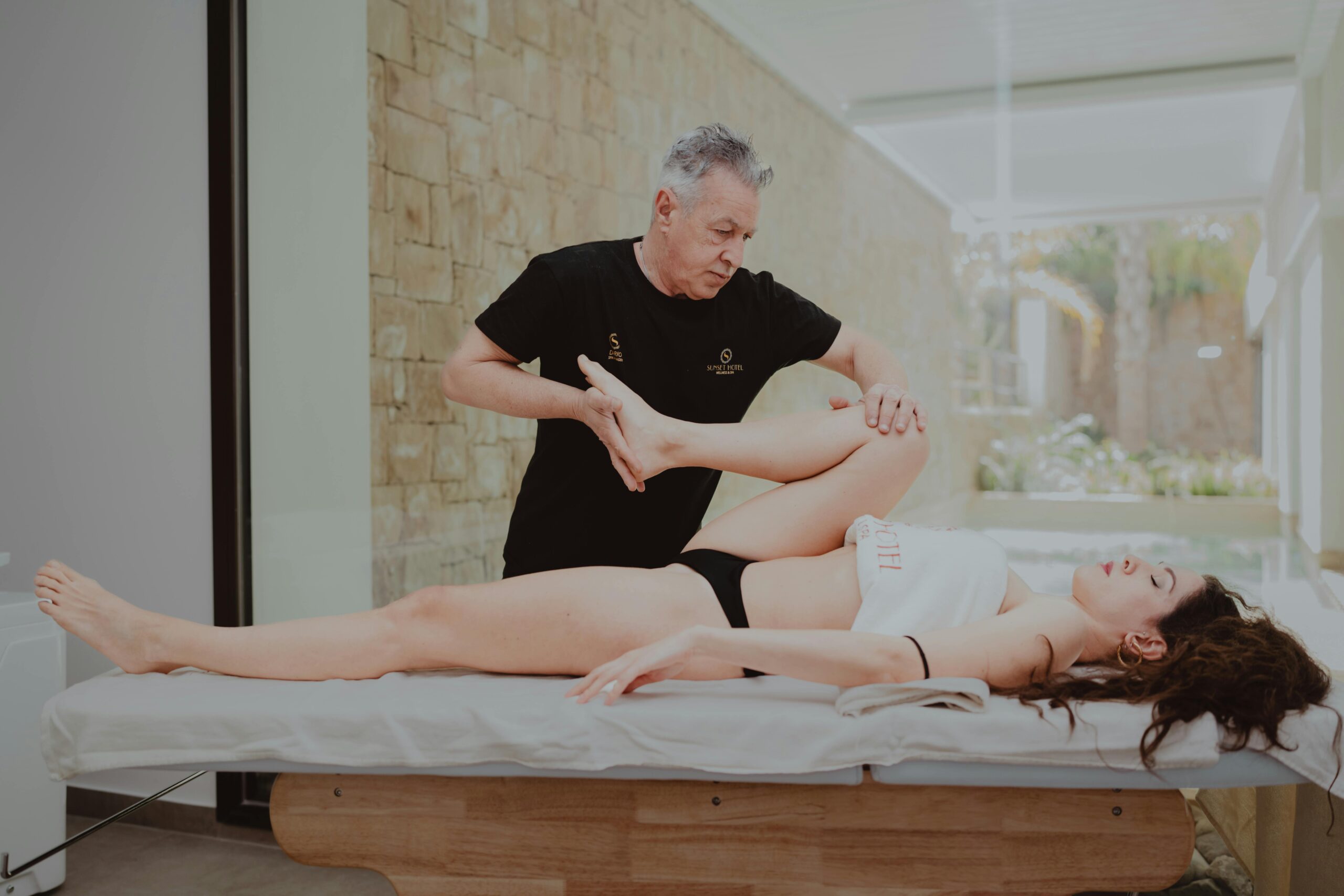
Self-assessment provides valuable feedback, but professional evaluation catches subtle dysfunctions. Physical therapists, chiropractors, and movement specialists use various assessment tools to identify alignment issues and create corrective strategies.
Video analysis reveals movement patterns invisible to you during performance. Recording yourself from multiple angles during basic movements like walking, squatting, and reaching provides objective data about alignment faults. Compare your movement to proper form demonstrations to identify discrepancies.
Functional movement screens systematically test mobility, stability, and movement patterns. While comprehensive screens require professional administration, basic tests like the overhead squat assessment, single-leg balance, and shoulder mobility checks offer valuable insights into your alignment status.
🏋️ Corrective Exercise Strategies
Corrective exercise follows a systematic approach: inhibit overactive muscles through foam rolling and stretching, activate underactive muscles with isolation exercises, integrate proper patterns through movement training, and finally strengthen through progressive loading.
Addressing upper crossed syndrome—rounded shoulders with forward head posture—requires releasing tight pectorals and upper traps while activating weak deep neck flexors and lower traps. This imbalance affects millions of desk workers and requires consistent corrective work for reversal.
Lower crossed syndrome features tight hip flexors and lumbar extensors paired with weak glutes and core stabilizers. This pattern tilts the pelvis anteriorly and hyperlordoses the lumbar spine. Corrective work includes hip flexor stretching, glute activation, and core stabilization exercises integrated into functional movements.
🧘 Mobility Work for Joint Health
Mobility combines flexibility with motor control—the ability to actively move through available range of motion. Unlike passive stretching, mobility training teaches your nervous system to control and stabilize joints throughout their range.
Controlled articular rotations (CARs) systematically move each joint through its full available range with conscious control. Perform CARs daily for major joints—ankles, knees, hips, spine, shoulders, elbows, and wrists—to maintain and gradually expand healthy movement capacity.
Dynamic stretching before activity prepares joints and muscles for movement while static stretching after exercise helps restore resting length to worked muscles. The timing and type of stretching matter significantly for optimal results and injury prevention.
🍎 Nutrition’s Role in Joint Health
Your joints are living tissues requiring proper nutrition for maintenance and repair. Chronic inflammation from poor dietary choices accelerates joint degeneration while anti-inflammatory eating patterns support long-term joint health.
Omega-3 fatty acids from fish, flaxseed, and walnuts possess potent anti-inflammatory properties. Conversely, excessive omega-6 consumption from vegetable oils and processed foods promotes inflammation. Aim for an omega-6 to omega-3 ratio closer to 4:1 rather than the 20:1 typical in Western diets.
Adequate protein intake supports connective tissue repair while vitamin C, vitamin D, calcium, and magnesium all contribute to bone and cartilage health. Hydration is equally critical—cartilage is 80% water and proper hydration maintains its shock-absorbing properties.
😴 Recovery and Regeneration
Quality sleep provides essential recovery time for joint tissues. During deep sleep, growth hormone release peaks, facilitating tissue repair and regeneration. Adults need 7-9 hours of quality sleep for optimal recovery and joint health maintenance.
Active recovery—low-intensity movement like walking, swimming, or cycling—promotes circulation and nutrient delivery to joints without creating additional stress. Complete rest isn’t always optimal; gentle movement often accelerates recovery better than total inactivity.
Consider incorporating recovery modalities like contrast therapy (alternating hot and cold exposure), compression, and gentle massage to support joint recovery. While not magical solutions, these techniques can complement a comprehensive mobility program.
📱 Technology Supporting Your Mobility Journey
Modern technology offers valuable tools for tracking progress and maintaining consistency. Mobility apps provide guided routines, movement libraries, and progress tracking that keep you accountable to your alignment goals.
Wearable sensors and posture monitors provide real-time feedback about your alignment throughout daily activities. These devices can alert you when you’ve maintained poor posture for extended periods, helping retrain habitual patterns that compromise joint health.
🌟 Building Your Personalized Alignment Protocol
Effective alignment improvement requires consistent practice, not perfection. Start with a realistic baseline assessment, identify your top three alignment priorities, and dedicate 15-20 minutes daily to targeted corrective work. Small, consistent efforts compound into significant improvements over months.
Schedule weekly reassessments to track progress and adjust your protocol. Some improvements appear quickly while others require patient, persistent work. Trust the process and celebrate small victories—reduced pain, increased range of motion, or improved movement quality all indicate positive progress.
Consider working with qualified professionals—physical therapists, chiropractors, or certified movement specialists—especially if you’re dealing with significant pain or dysfunction. Professional guidance accelerates progress and prevents common self-treatment mistakes.
🚀 Taking Action Toward Pain-Free Movement
Joint alignment isn’t a destination but an ongoing practice of awareness, assessment, and adjustment. Your body constantly adapts to the positions you maintain and movements you perform most frequently. Make proper alignment your default, and your joints will reward you with decades of pain-free, functional movement.
Start today with a simple body scan: notice how you’re sitting or standing right now. Are your joints stacked optimally or compromised by habitual patterns? Make one small adjustment toward better alignment—this single moment of awareness begins your transformation toward mastering your mobility and achieving optimal wellness.
The journey to pain-free movement requires commitment, but the rewards—freedom from chronic pain, enhanced physical performance, maintained independence, and improved quality of life—make every minute of effort worthwhile. Your future self will thank you for the alignment work you begin today.