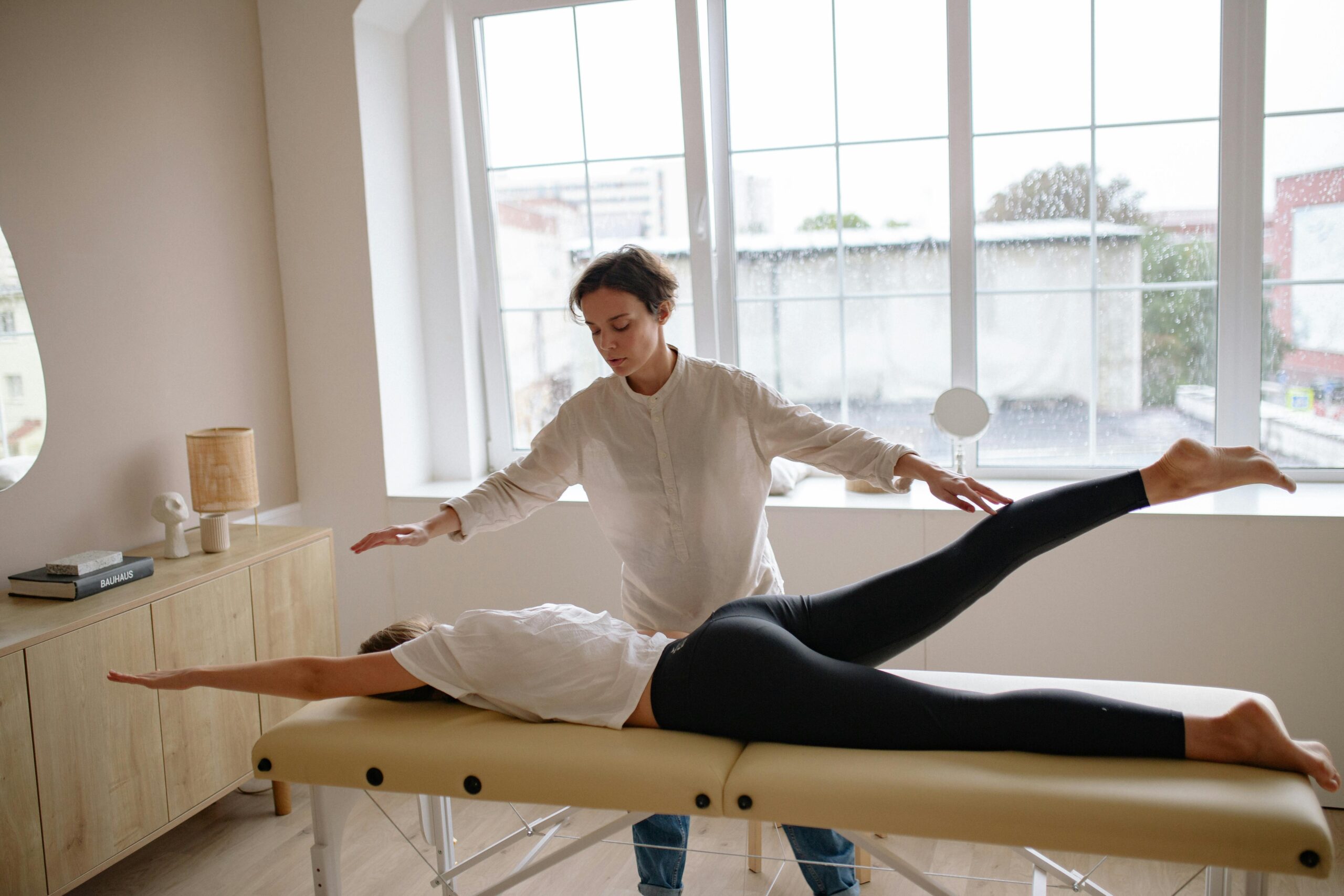
Proper form during exercise isn’t just about looking professional at the gym—it’s the foundation of safety, effectiveness, and long-term fitness success. Whether you’re lifting weights, doing bodyweight exercises, or practicing yoga, maintaining correct posture can mean the difference between achieving your goals and risking injury.

Many fitness enthusiasts, from beginners to seasoned athletes, overlook the critical importance of posture during workouts. Poor form can lead to muscle imbalances, chronic pain, and injuries that sideline your progress for weeks or even months. This comprehensive guide will walk you through everything you need to know about perfecting your exercise posture across various workout types.
🎯 Why Proper Posture Matters More Than You Think
Your body is an intricate system of muscles, joints, and connective tissues that work together during movement. When you maintain proper alignment, you distribute force evenly across these structures, allowing them to function as intended. Conversely, poor posture creates weak links in the kinetic chain, placing excessive stress on certain areas while underutilizing others.
Studies have shown that exercising with incorrect form can reduce muscle activation by up to 40%, meaning you’re not getting the full benefit of your workout. Additionally, compensatory movement patterns develop when your body tries to work around poor alignment, leading to imbalances that affect your daily life beyond the gym.
The benefits of proper form extend far beyond injury prevention. Correct posture enhances muscle engagement, improves breathing efficiency, increases power output, and accelerates your progress toward fitness goals. When you perform exercises correctly, you’re training your nervous system to maintain healthy movement patterns that carry over into everyday activities.
📋 The Foundation: Universal Posture Principles
Before diving into specific exercises, certain fundamental principles apply to virtually all workout movements. Mastering these basics creates a solid foundation for any exercise routine.
Neutral Spine Alignment
Your spine has natural curves that need to be respected during exercise. A neutral spine maintains the slight inward curve at your lower back, slight outward curve at your upper back, and slight inward curve at your neck. Avoid excessive arching or rounding in any of these regions.
To find your neutral spine, stand or lie down and rock your pelvis forward and backward. The midpoint between these extremes is your neutral position. This alignment protects your spinal discs and allows optimal force transfer during movements.
Core Engagement
Your core isn’t just your abs—it’s a complex system of muscles that stabilize your entire torso. Proper core engagement involves gently bracing your midsection as if preparing for a light punch, without holding your breath. This creates internal pressure that protects your spine and enhances force production.
Think of your core as a cylinder with your diaphragm on top, pelvic floor on bottom, and abdominal and back muscles forming the walls. All these components should work together to create stability during movement.
Joint Stacking and Alignment
Whenever possible, keep your joints stacked in natural alignment. Your ears should align over your shoulders, shoulders over hips, and hips over knees and ankles when standing. During exercises, maintain this stacking principle to ensure proper force distribution and reduce joint stress.
💪 Strength Training Posture Checklist
Strength training offers tremendous benefits, but also presents the highest risk for injury when performed incorrectly. Each exercise has specific form requirements, but these general guidelines apply broadly.
Squats: The King of Lower Body Movements
Squats are fundamental but frequently performed incorrectly. Here’s your comprehensive squat posture checklist:
- Starting position: Feet shoulder-width apart, toes pointed slightly outward (10-15 degrees)
- Head and neck: Keep your gaze forward or slightly upward, maintaining neck alignment with spine
- Chest position: Lift your chest proud throughout the movement to prevent excessive forward lean
- Hip hinge: Initiate the movement by pushing your hips backward, as if sitting into a chair
- Knee tracking: Ensure knees track in line with toes, not collapsing inward
- Depth: Descend until thighs are parallel to ground or slightly lower, without losing neutral spine
- Weight distribution: Keep weight centered over mid-foot, not on toes or heels exclusively
- Ascent: Drive through your entire foot, squeezing glutes at the top
Deadlifts: Maximum Posterior Chain Activation
The deadlift is incredibly effective but demands precise form to protect your back and maximize results.
- Setup: Bar over mid-foot, shins about an inch from bar
- Grip: Hands just outside legs, arms completely straight
- Hip position: Hips higher than knees but lower than shoulders
- Back angle: Maintain neutral spine from tailbone to head
- Shoulder position: Shoulders slightly in front of bar, lats engaged
- The pull: Push floor away with legs while maintaining back angle initially
- Lockout: Finish with hips extended and shoulders back, without hyperextending
- Descent: Reverse the movement by hinging at hips first, then bending knees
Bench Press: Upper Body Power and Safety
Proper bench press form protects your shoulders while maximizing chest, shoulder, and tricep development.
- Foot placement: Feet flat on floor, creating stable base
- Body position: Shoulders, upper back, and glutes contact bench
- Lower back: Slight natural arch, not excessive hyperextension
- Shoulder blades: Retracted and depressed (pulled together and down)
- Grip width: Slightly wider than shoulder-width, wrists straight
- Bar path: Lower to lower chest/sternum area, not throat or upper chest
- Elbow angle: Approximately 45-75 degrees from torso, not flared to 90 degrees
- Press pattern: Drive bar up and slightly back toward rack position
🧘 Bodyweight Exercise Form Essentials
Bodyweight exercises require just as much attention to form as weighted movements, despite their perceived simplicity.
Push-Ups: Foundation of Upper Body Strength
Push-ups work multiple muscle groups simultaneously, but only when performed correctly. Position your hands slightly wider than shoulder-width, fingers pointing forward. Your body should form a straight line from head to heels throughout the movement—no sagging hips or piked buttocks.
Lower yourself until your chest nearly touches the ground, keeping elbows at approximately 45 degrees from your body. Your core should remain braced, and shoulder blades should move naturally across your ribcage. Press back up while maintaining total body tension.
Planks: Core Stability Mastery
The plank seems simple but is frequently performed incorrectly. Start on your forearms and toes, with elbows directly beneath shoulders. Your body should form a perfectly straight line—imagine a broomstick running from your head to your heels.
Common mistakes include letting hips sag toward the floor, piking hips too high, or holding tension in your neck and shoulders. Breathe normally while maintaining core engagement, and squeeze your glutes to prevent lower back strain.
🏃 Cardiovascular Exercise Posture
Cardio workouts also demand proper form to prevent injury and maximize efficiency, particularly during high-impact activities.
Running Form Fundamentals
Proper running posture reduces impact forces and improves efficiency. Keep your head up, looking forward about 20 feet ahead. Your shoulders should be relaxed and pulled back slightly, not hunched forward. Maintain a slight forward lean from your ankles, not your waist.
Your arms should swing naturally at your sides, bent at approximately 90 degrees, with hands relaxed (not clenched). Aim for a mid-foot strike rather than landing on your heels or toes exclusively. Your cadence should be around 170-180 steps per minute for optimal efficiency.
Cycling Position Checklist
Whether on a stationary bike or riding outdoors, proper cycling posture prevents knee pain and back discomfort. Adjust your seat height so your knee has a slight bend (25-30 degrees) when the pedal is at its lowest point.
Keep your core engaged and avoid excessive rounding of your lower back. Your elbows should have a slight bend, and you shouldn’t lock them out. Distribute your weight evenly between your hands and seat rather than putting all pressure on your wrists.
🔍 Common Posture Mistakes and Corrections
Even experienced exercisers fall into poor posture habits. Recognizing these common errors helps you self-correct before they become ingrained patterns.
Forward Head Position
This occurs when your head juts forward rather than staying aligned over your shoulders. It places tremendous strain on your neck and upper back muscles. Correction involves consciously pulling your chin back slightly (creating a “double chin”) and imagining a string pulling the crown of your head toward the ceiling.
Rounded Shoulders
Excessive time sitting and performing chest-dominant exercises without balancing back work creates rounded shoulders. Focus on squeezing your shoulder blades together and down, opening your chest. Strengthen your upper back muscles with rows, face pulls, and reverse flyes.
Anterior Pelvic Tilt
This condition causes your lower back to arch excessively and your belly to protrude forward. Strengthen your core and glutes while stretching your hip flexors and lower back. During exercises, focus on tucking your pelvis slightly by engaging your abs and glutes.
Knee Valgus
When your knees collapse inward during squats, lunges, or jumps, you create dangerous stress on knee ligaments. Strengthen your glutes and hip external rotators with exercises like clamshells and lateral band walks. During movements, actively think about pushing your knees outward.
📱 Technology Tools for Form Assessment
Modern technology offers valuable resources for monitoring and improving your exercise posture. Form checking apps use your phone’s camera to analyze your movement patterns and provide real-time feedback.
Video recording yourself from multiple angles remains one of the most effective self-assessment tools. Compare your form to expert demonstrations and look for the specific alignment points mentioned in this article. Many fitness apps now include form guides with detailed video demonstrations and written cues.
🎓 Professional Guidance: When to Seek Expert Help
While self-education is valuable, working with qualified professionals accelerates your form development and provides personalized corrections. A certified personal trainer can assess your movement patterns, identify weaknesses, and design corrective exercise programs.
Physical therapists offer specialized expertise for those dealing with pain or recovering from injury. They can identify underlying mobility restrictions or muscle imbalances that affect your exercise form. Consider professional assessment if you experience persistent pain during or after workouts, or if you’re beginning a new exercise program after a long sedentary period.
🔄 Progressive Form Development Strategy
Perfecting your form is a continuous journey, not a destination. Start with bodyweight versions of exercises before adding external resistance. Master the movement pattern with lighter weights before progressively increasing load.
Record your form regularly and review the footage critically. Many form breakdowns occur when fatigue sets in, so pay special attention to your last repetitions. If your form deteriorates significantly, you’ve likely reached your true working limit, regardless of how many more reps you could complete with compromised technique.
The Three-Stage Learning Process
Stage one involves conscious focus on every aspect of the movement. You’ll need to think deliberately about each position checkpoint. This stage feels awkward and requires concentration.
Stage two represents developing competence, where proper form starts feeling more natural. You’ll still need to cue yourself periodically, but the movement pattern becomes smoother. This stage develops through consistent practice with appropriate loads.
Stage three is unconscious competence—proper form becomes automatic. Your body moves correctly without deliberate thought, allowing you to focus on intensity and other training variables. Reaching this stage requires months of consistent, mindful practice.
🌟 Building Your Personal Form Checklist
Create personalized checklists for exercises you perform regularly. Write down 3-5 key form points for each movement and review them before each set initially. Over time, these cues will become internalized.
Prioritize the form elements most relevant to your body and history. If you have shoulder issues, shoulder positioning might be your primary focus. Those with lower back sensitivity should emphasize core bracing and spinal alignment. Your personal checklist should address your specific vulnerabilities.
💡 Mind-Muscle Connection and Body Awareness
Developing kinesthetic awareness—the ability to sense your body’s position in space—dramatically improves form. Practice exercises slowly with minimal or no weight, focusing entirely on feeling which muscles are working and where you hold tension.
Breathwork enhances body awareness. Proper breathing patterns support core stability and help you stay present during movement. Generally, exhale during the exertion phase and inhale during the easier phase. Never hold your breath during heavy lifts, as this dangerously elevates blood pressure.
📊 Tracking Progress Beyond Numbers
While weight lifted and repetitions completed matter, form quality is equally important. Keep a training journal that notes not just numbers but also form quality ratings. Celebrate improvements in movement quality, not just load increases.
Take progress videos monthly to visually document your form improvements. You’ll likely notice subtle refinements that aren’t apparent in daily training. These videos serve as powerful motivation when you see how far your technique has progressed.
🚀 Your Path to Movement Mastery
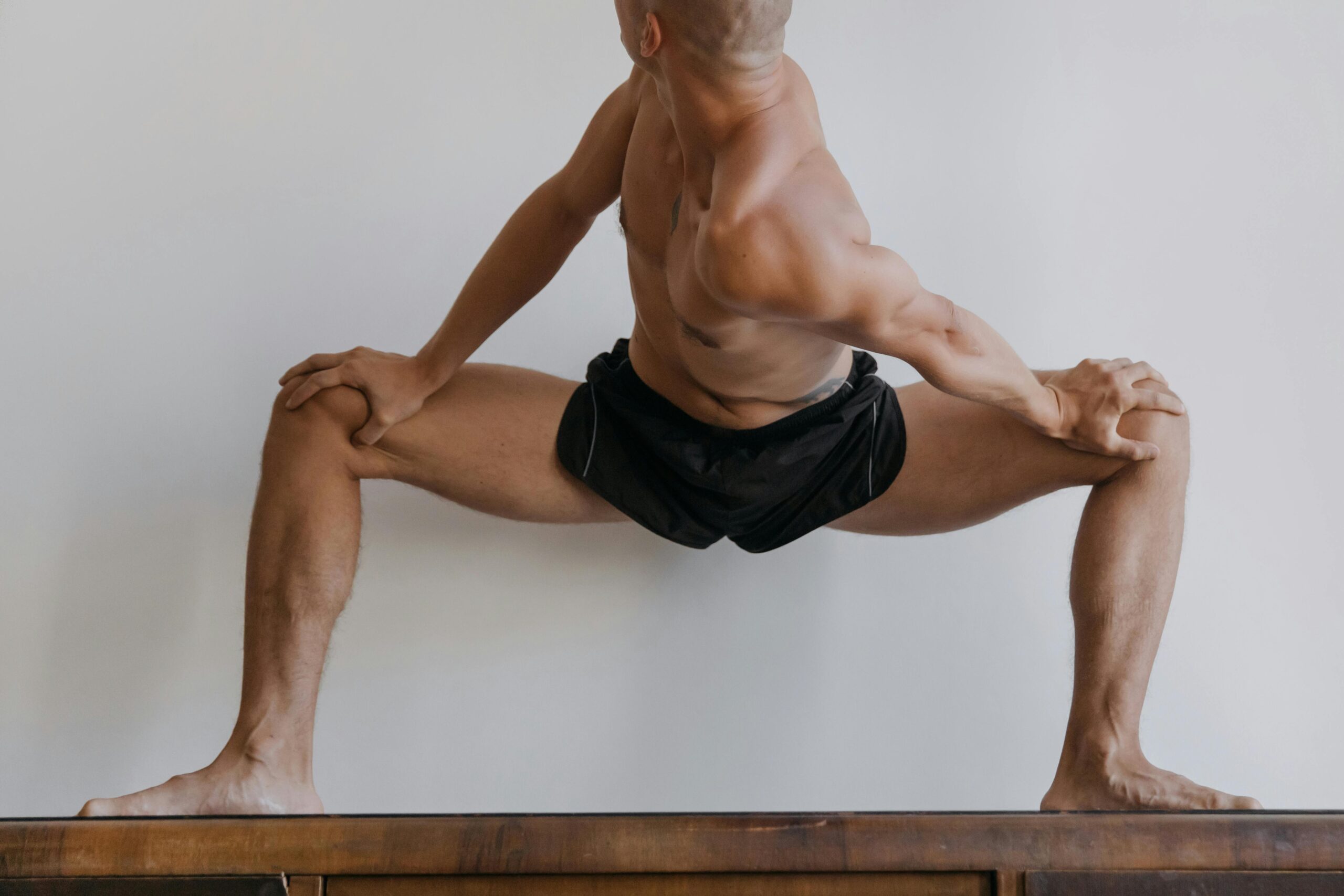
Perfect form isn’t about rigidity or obsessive perfection—it’s about moving your body efficiently and safely within your individual structure and capabilities. Everyone’s ideal form will look slightly different based on limb lengths, joint mobility, and injury history.
Commit to making form your priority, especially when beginning new exercises or increasing intensity. The time invested in learning proper posture pays dividends through reduced injury risk, better results, and sustainable long-term fitness. Your body will thank you not just today, but decades into the future.
Remember that form mastery is a skill that develops with patient practice and consistent attention. Start implementing these posture principles in your very next workout, focusing on one or two key points rather than trying to perfect everything simultaneously. Gradually expand your awareness as each element becomes automatic, building a strong foundation for lifelong fitness success.