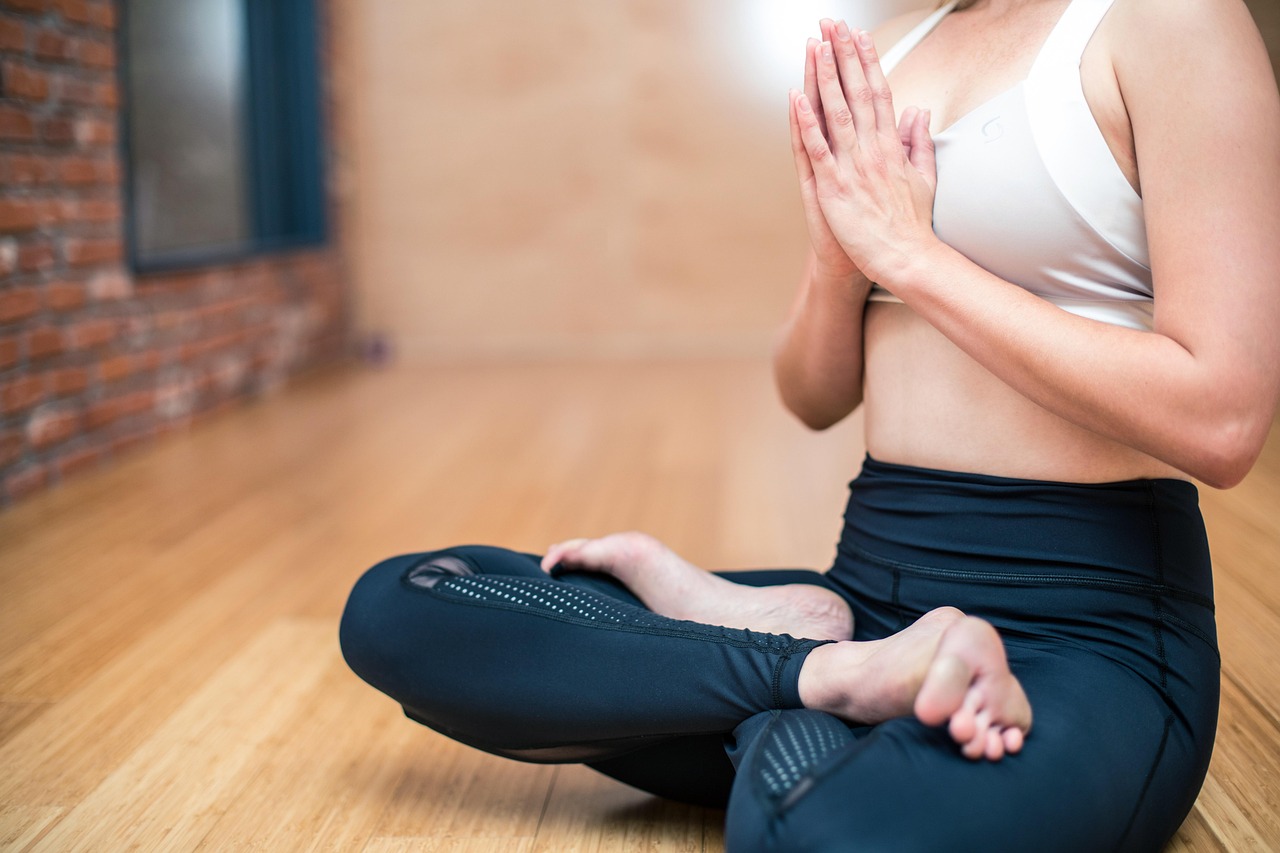
Every day, millions of people worldwide experience preventable injuries that could have been avoided with proper awareness and caution. Whether at home, work, or during recreational activities, staying vigilant about potential hazards is crucial for maintaining your health and well-being.

Understanding how injuries occur and implementing practical safety measures can dramatically reduce your risk of accidents. This comprehensive guide will equip you with essential knowledge and actionable strategies to protect yourself and your loved ones from common injuries that happen in everyday situations.
🏠 Understanding Your Home Environment: The Hidden Danger Zones
Your home should be your sanctuary, yet statistics reveal that a significant percentage of injuries occur within residential settings. Kitchen accidents, bathroom slips, and stairway falls represent some of the most common household injuries that send people to emergency rooms annually.
The kitchen presents multiple hazards including sharp objects, hot surfaces, and slippery floors. Always use cutting boards properly, keep knife blades facing away from you, and ensure pot handles are turned inward to prevent accidental spills. Installing non-slip mats near sinks and stoves can significantly reduce fall risks when floors become wet.
Bathrooms require special attention due to moisture accumulation. Install grab bars near toilets and inside showers, use non-slip bath mats, and ensure adequate lighting for nighttime visits. These simple modifications can prevent devastating falls, especially for elderly family members or those with mobility challenges.
Stairway Safety Protocols
Stairs account for thousands of injuries each year, many of which result in serious fractures or head trauma. Proper stairway maintenance includes ensuring handrails are secure, steps are well-lit, and no clutter obstructs the path. Never rush on stairs, always use handrails, and avoid carrying items that block your view of the steps.
Consider installing motion-sensor lights for staircases to eliminate the temptation of navigating in darkness. For homes with young children or elderly residents, safety gates at the top and bottom of stairs provide an additional protective barrier.
💼 Workplace Safety: Protecting Yourself on the Job
Workplace injuries vary dramatically depending on your occupation, but certain universal principles apply across all professional environments. Proper ergonomics, adherence to safety protocols, and maintaining situational awareness are fundamental to preventing work-related injuries.
Office workers face unique challenges including repetitive strain injuries, back problems from poor posture, and eye strain from prolonged screen time. Set up your workstation with your monitor at eye level, feet flat on the floor, and keyboard positioned to keep wrists neutral. Take regular breaks every hour to stand, stretch, and rest your eyes.
Physical Labor and Industrial Settings
Those working in construction, manufacturing, or other physical environments must prioritize personal protective equipment (PPE). Never skip wearing required safety gear including helmets, gloves, safety glasses, or steel-toed boots, regardless of how routine a task may seem. Most workplace injuries occur during familiar activities when workers become complacent.
Understanding proper lifting techniques is essential for preventing back injuries. Always bend at your knees rather than your waist, keep loads close to your body, and never twist while carrying heavy objects. When an item is too heavy or awkward, always ask for assistance or use mechanical aids.
🚗 Road Safety: Navigating Transportation Risks
Traffic accidents remain one of the leading causes of injury and death worldwide. Whether you’re driving, cycling, or walking, understanding road safety principles is non-negotiable for protecting yourself and others.
As a driver, eliminate distractions by putting your phone away, avoiding eating while driving, and limiting conversations that divert your attention from the road. Always wear your seatbelt, maintain safe following distances, and adjust your driving to weather conditions. Defensive driving means anticipating potential hazards and maintaining awareness of surrounding vehicles.
Pedestrian and Cyclist Awareness
Pedestrians must remain vigilant even when using designated crosswalks. Make eye contact with drivers before crossing, avoid looking at your phone while walking near traffic, and wear reflective clothing during low-light conditions. Never assume vehicles will stop simply because you have the right of way.
Cyclists face unique vulnerabilities and should always wear properly fitted helmets, use lights and reflectors, and follow traffic laws as vehicles. Ride predictably, signal your intentions, and assume drivers may not see you. Investing in high-visibility gear and maintaining your bicycle in good working condition are essential safety measures.
🏃 Sports and Recreation: Enjoying Activities Safely
Physical activity and recreation are vital for health, but sports-related injuries are incredibly common. Proper preparation, appropriate equipment, and knowing your limits can prevent most recreational injuries.
Always warm up before engaging in physical activity to prepare your muscles and joints. Cooling down afterward helps prevent stiffness and reduces injury risk. Gradually increase intensity and duration rather than pushing too hard too quickly, as overexertion leads to strains, sprains, and more serious injuries.
Equipment and Protective Gear
Using sport-specific protective equipment is crucial. Helmets for cycling, skateboarding, or skiing, appropriate footwear for running or hiking, and protective padding for contact sports can mean the difference between a minor incident and a life-changing injury. Never compromise on equipment quality, as proper gear is an investment in your long-term health.
Stay hydrated during physical activities and recognize warning signs of heat exhaustion including dizziness, excessive fatigue, or nausea. Understanding your fitness level and not succumbing to peer pressure to exceed your capabilities prevents many sports injuries.
📱 Technology as Your Safety Ally
Modern technology offers numerous tools to enhance personal safety and injury prevention. Safety apps can provide emergency alerts, track your location for loved ones, and offer immediate access to critical information during emergencies.
Emergency alert systems on smartphones can notify designated contacts if you’re in distress. GPS tracking features help rescuers locate you during outdoor adventures, while health apps can store critical medical information that first responders need during emergencies.
Fitness tracking applications help monitor your activity levels and can alert you when you’re pushing too hard. These tools provide valuable data about your physical condition and help prevent overexertion injuries by encouraging appropriate rest periods.
🌙 Special Considerations for Different Life Stages
Injury prevention strategies must adapt to different ages and physical capabilities. Children, adults, and seniors face distinct challenges requiring tailored approaches to safety.
Protecting Children from Injuries
Children require constant supervision and age-appropriate safety measures. Childproofing your home includes securing furniture that could tip over, covering electrical outlets, storing hazardous materials out of reach, and installing window guards. Teaching children about dangers through age-appropriate conversations helps them develop their own safety awareness.
Never leave young children unattended near water, including bathtubs, pools, or natural bodies of water. Drowning can occur in mere inches of water within seconds. Ensure children wear properly fitted life jackets during water activities and enforce swimming rules consistently.
Senior Safety and Fall Prevention
Older adults face increased injury risks due to factors including reduced bone density, slower reflexes, and potential medication side effects affecting balance. Regular vision and hearing checkups help maintain environmental awareness, while exercises focused on balance and strength reduce fall risks.
Medication management is crucial, as certain combinations can cause dizziness or confusion. Seniors should work with healthcare providers to review medications regularly and understand potential side effects that might compromise safety.
🔥 Emergency Preparedness: Being Ready When Accidents Happen
Despite best prevention efforts, injuries can still occur. Being prepared to respond effectively minimizes damage and improves outcomes. Every household should maintain a well-stocked first aid kit and family members should know basic first aid principles.
Learn CPR and basic life support techniques through certified courses. These skills can save lives during cardiac emergencies, choking incidents, or severe injuries. Keep emergency contact numbers easily accessible and ensure all family members know how to call for help.
First Aid Essentials
Your first aid kit should include adhesive bandages in various sizes, sterile gauze pads, antiseptic wipes, antibiotic ointment, pain relievers, tweezers, scissors, and elastic bandages. Include any personal medications and emergency prescriptions. Check and replenish your kit regularly, replacing expired items.
Understanding when to seek professional medical help versus treating injuries at home is critical. Severe bleeding, potential fractures, head injuries with loss of consciousness, chest pain, or difficulty breathing always warrant immediate medical attention.
🌍 Environmental Awareness: Adapting to Your Surroundings
Different environments present unique hazards requiring specific awareness. Urban settings, rural areas, and natural environments each demand adapted safety strategies.
Urban environments involve navigating crowds, traffic, and potential crime. Stay aware of your surroundings, avoid isolated areas when alone, and trust your instincts if a situation feels unsafe. Keep valuables secure and be mindful of pickpockets in crowded areas.
Outdoor and Wilderness Safety
When venturing into nature, prepare thoroughly by researching your destination, checking weather forecasts, and informing someone of your plans. Carry appropriate supplies including water, food, navigation tools, and emergency equipment. Understand local wildlife and hazards, staying on marked trails and respecting environmental warnings.
Weather conditions can change rapidly in outdoor settings. Hypothermia and heat-related illnesses are serious threats depending on climate and season. Dress in layers, stay hydrated, and recognize early warning signs of weather-related health issues.
🧠 Mental Awareness: The Foundation of Physical Safety
Physical safety begins with mental alertness and awareness. Fatigue, stress, and distraction significantly increase injury risks across all environments and activities.
Prioritize adequate sleep, as sleep deprivation impairs judgment, slows reaction times, and reduces coordination. Adults need seven to nine hours of quality sleep nightly. Establishing consistent sleep schedules and creating restful sleep environments supports overall safety.
Stress Management and Decision-Making
Chronic stress affects your ability to assess risks and make sound decisions. Practice stress reduction techniques including regular exercise, meditation, deep breathing, or engaging in hobbies you enjoy. When feeling overwhelmed or exhausted, avoid activities requiring high levels of concentration or physical coordination.
Substance use significantly impairs judgment and physical capabilities. Never operate vehicles or machinery, participate in sports, or engage in potentially dangerous activities while under the influence of alcohol or drugs. This includes certain prescription medications that cause drowsiness or affect coordination.
🛡️ Creating a Personal Safety Culture
Long-term injury prevention requires developing consistent safety habits that become second nature. Creating a personal safety culture means making protective behaviors automatic rather than occasional considerations.
Start by conducting regular safety audits of your home and workplace, identifying potential hazards and addressing them proactively. Involve family members or roommates in safety discussions, ensuring everyone understands protocols and responsibilities.
Stay informed about emerging safety concerns and new protective technologies. Attend safety workshops, read updated guidelines for activities you regularly engage in, and remain open to adjusting your practices based on new information.
🤝 Building Community Safety Networks
Individual safety extends beyond personal actions to include community engagement. Strong neighborhood connections, workplace safety committees, and recreational group awareness all contribute to collective protection.
Communicate with neighbors about local safety concerns, share information about suspicious activities, and look out for vulnerable community members. Participating in neighborhood watch programs or community safety initiatives strengthens overall security and reduces injury risks for everyone.
In workplace settings, actively participate in safety training, report hazards promptly, and support colleagues in maintaining safe practices. Safety culture improves when everyone takes ownership rather than assuming it’s someone else’s responsibility.
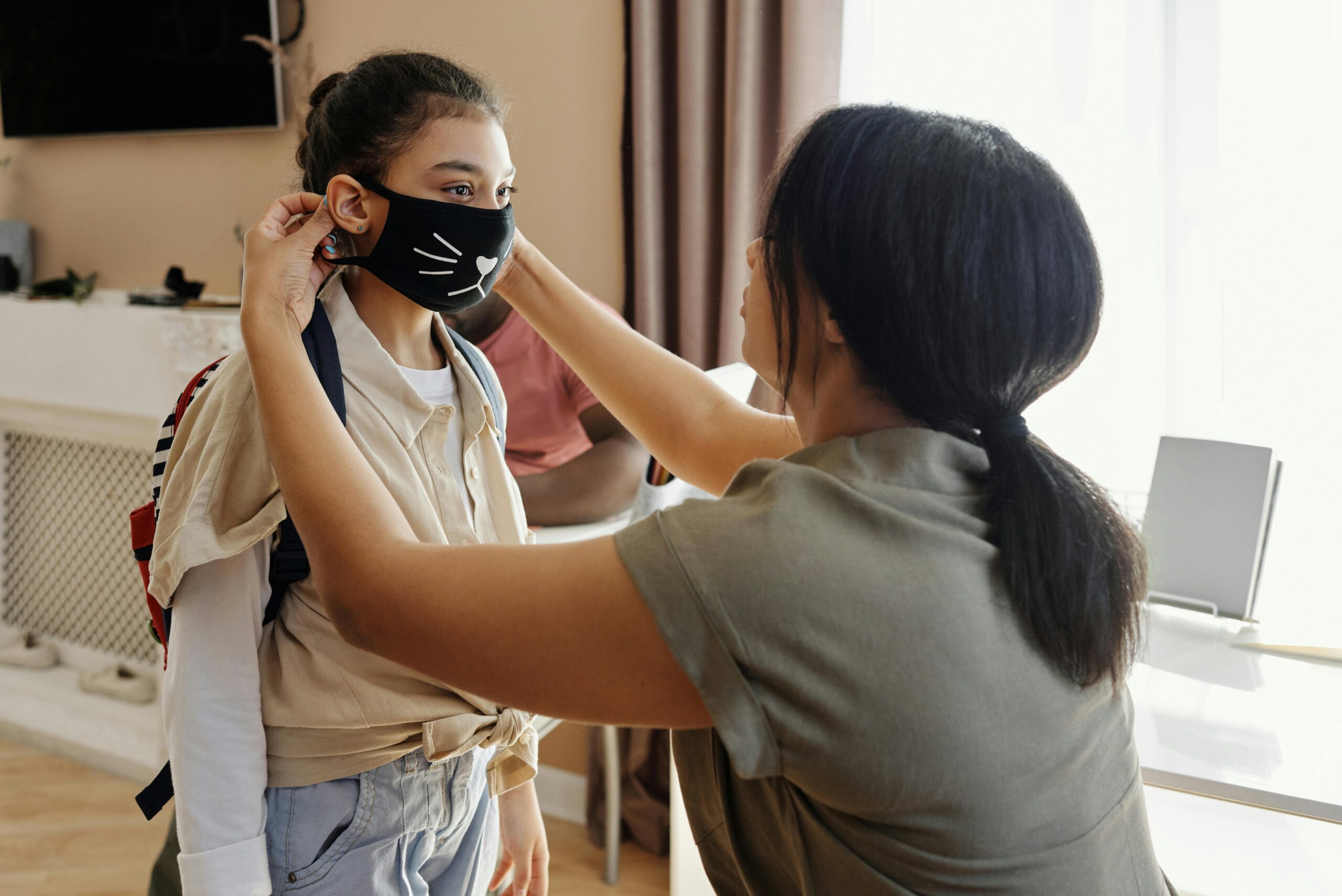
🎯 Making Safety a Lifelong Commitment
Injury prevention isn’t a one-time effort but a continuous commitment to awareness and adaptation. As your life circumstances change—new jobs, different living situations, aging, or taking up new activities—your safety strategies must evolve accordingly.
Regular self-assessment helps identify areas where your safety practices may have become lax. Are you still as diligent about seatbelt use? Do you rush through tasks that require care? Have you maintained your emergency supplies? Honest evaluation and course correction keep your safety practices effective.
Teaching safety awareness to others, especially children, creates generational benefits. When you model good safety behaviors and explain the reasoning behind them, you help others develop their own protective instincts and practices.
Remember that no one is immune to accidents, but knowledge, preparation, and consistent vigilance dramatically reduce your risks. Every safety measure you implement, no matter how small, contributes to your overall protection. By integrating these essential injury-awareness tips into your daily routine, you create a safer environment for yourself and everyone around you. Stay alert, stay informed, and prioritize safety in everything you do—your future self will thank you for the care you take today.