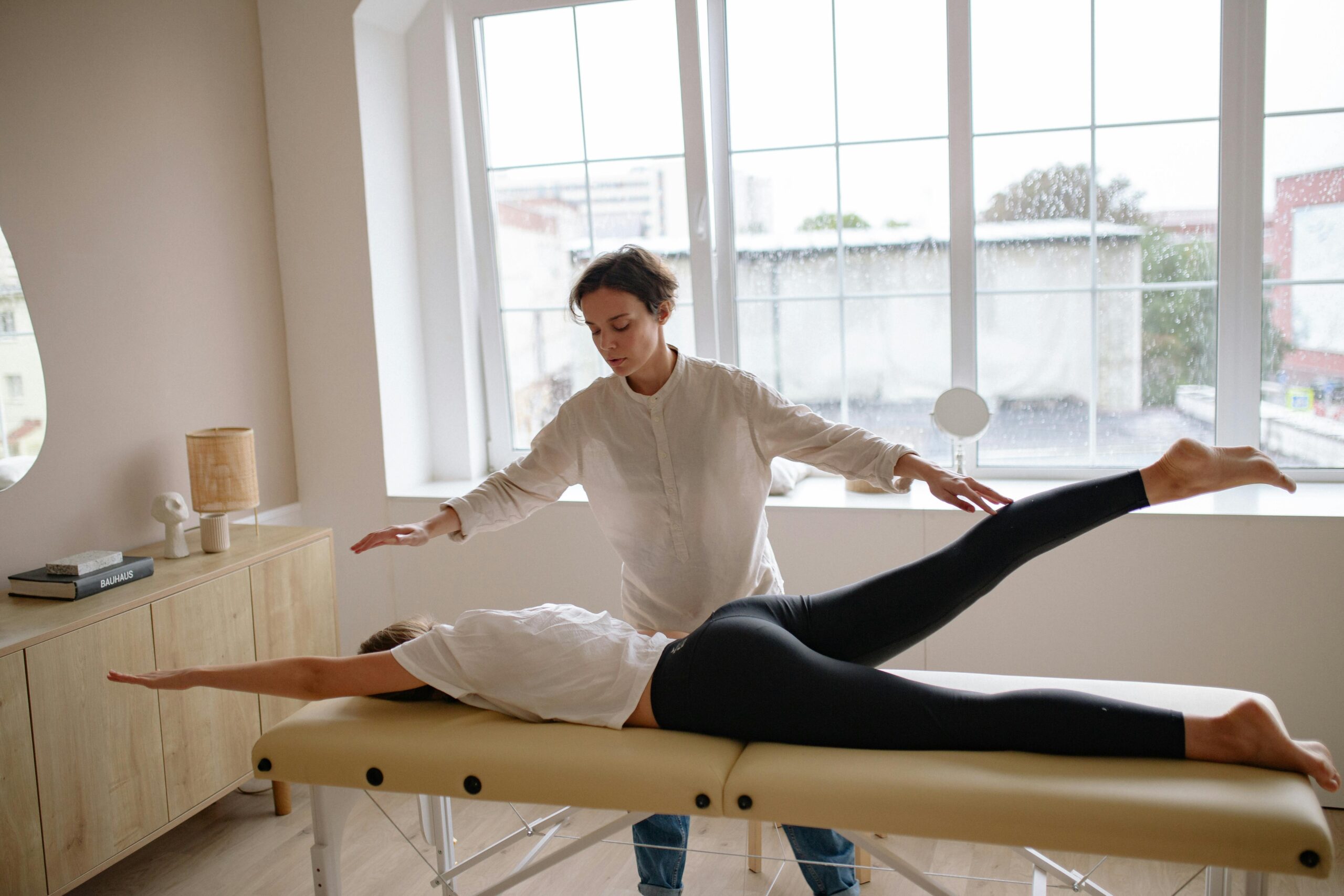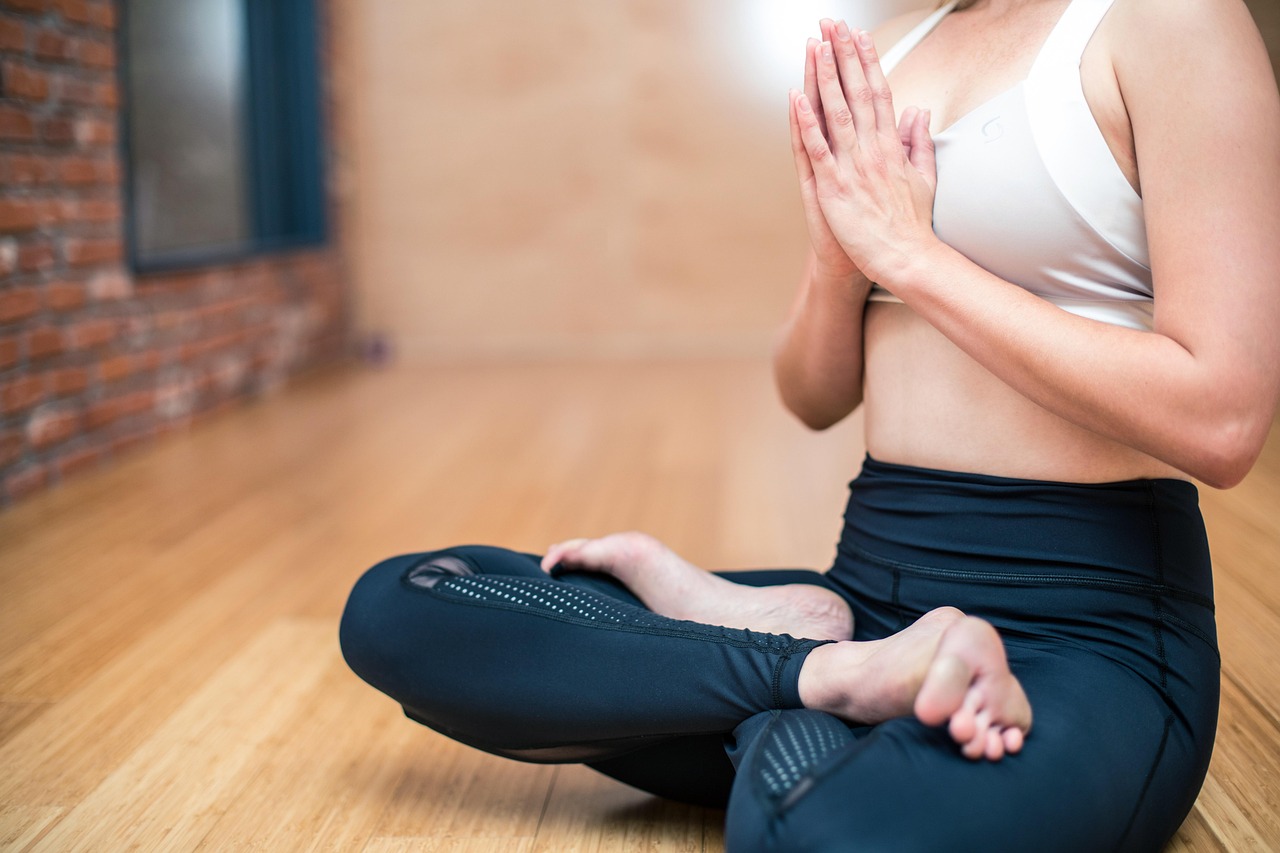
Movement confidence isn’t just about physical capability—it’s a profound sense of trust in your body’s ability to navigate the world. When you move with confidence, every step becomes purposeful, every gesture feels natural, and challenges transform into opportunities for growth.

Many people struggle with feeling uncertain about their physical abilities, whether due to past injuries, sedentary lifestyles, or simply never having developed a strong movement foundation. This uncertainty can limit not just physical potential but also mental well-being and overall quality of life. Building movement confidence requires a holistic approach that addresses strength, flexibility, and resilience simultaneously.
🎯 Understanding the Foundation of Movement Confidence
Movement confidence stems from the intricate relationship between your nervous system, muscular system, and proprioception—your body’s sense of position in space. When these systems work harmoniously, you develop what movement specialists call “body literacy,” the ability to understand and trust your physical capabilities.
The absence of movement confidence often manifests as hesitation before physical tasks, fear of falling, or avoidance of activities that seem challenging. This creates a negative feedback loop where limited movement leads to decreased capability, which further erodes confidence. Breaking this cycle requires intentional practice and progressive challenge.
Neuroscience research shows that movement confidence is built through successful repetition and gradual progression. Each time you complete a movement successfully, your brain reinforces neural pathways that make future attempts easier and more automatic. This neuroplasticity is the biological foundation for building lasting confidence.
💪 Strength Training as Your Confidence Cornerstone
Strength isn’t just about muscle size—it’s about functional capacity and the ability to move through life with ease. When you develop genuine strength, everyday tasks become effortless, and your confidence naturally expands as you realize what your body can accomplish.
Progressive Resistance: The Smart Approach
Starting a strength training journey doesn’t require a gym membership or expensive equipment. Bodyweight exercises provide an excellent foundation, allowing you to develop strength while improving body awareness. Exercises like squats, push-ups, and planks teach you to control your body through space while building foundational strength.
The key principle is progressive overload—gradually increasing the challenge to your muscles over time. This might mean adding repetitions, slowing down movement tempo, changing leverage angles, or eventually adding external resistance. Each small progression builds not just muscle but also confidence in your ability to adapt and grow stronger.
Compound Movements for Functional Strength
Focusing on compound movements—exercises that engage multiple muscle groups simultaneously—creates strength that translates directly to real-world activities. Deadlifts teach you to lift objects safely, squats mirror sitting and standing, and overhead presses reflect reaching and placing items on high shelves.
These functional movement patterns build confidence because they improve your capability in daily life. When carrying groceries becomes easier or playing with children feels less exhausting, you experience tangible evidence of your growing strength and capability.
🧘 Flexibility: The Often Overlooked Confidence Builder
Flexibility and mobility work are crucial components of movement confidence that many people neglect. Stiff, restricted movement patterns create uncertainty and increase injury risk, while good flexibility allows fluid, confident motion through full ranges of motion.
Dynamic vs. Static Flexibility
Both dynamic and static stretching have roles in building movement confidence. Dynamic stretching—moving through ranges of motion actively—prepares your body for activity and teaches control through movement. Leg swings, arm circles, and torso rotations improve your ability to move confidently through various planes of motion.
Static stretching, held for longer periods, increases your passive range of motion and helps release chronic tension that may be limiting your movement. When combined thoughtfully, these approaches create comprehensive flexibility that supports confident movement in any context.
Mobility Routines for Daily Confidence
Establishing a daily mobility routine creates consistent improvement in how your body feels and moves. Spending just 10-15 minutes each morning on controlled joint rotations, gentle stretches, and movement flows can dramatically improve your movement confidence throughout the day.
Focus on areas that commonly restrict movement: hips, shoulders, thoracic spine, and ankles. When these key joints move freely, your entire kinetic chain functions better, and you feel more capable and confident in varied physical situations.
🛡️ Building Resilience Through Movement Challenges
Resilience—the ability to adapt, recover, and persist—is perhaps the most important quality for long-term movement confidence. Physical resilience develops through thoughtful exposure to challenges, proper recovery, and learning to work with rather than against your body’s signals.
The Adaptation Principle
Your body becomes resilient through a process called supercompensation. When you challenge yourself appropriately, your body temporarily fatigues, then recovers stronger than before. This biological principle applies to strength, endurance, flexibility, and skill development.
The key is finding the sweet spot—challenging enough to stimulate adaptation but not so intense that it causes injury or excessive fatigue. This balance varies individually and changes over time, requiring ongoing body awareness and honest self-assessment.
Recovery: The Confidence Multiplier
Ironically, confidence often grows during recovery periods rather than during training itself. When you allow proper recovery through sleep, nutrition, and active rest, your body consolidates gains and you experience the improved capacity you’ve been working toward.
Active recovery techniques like walking, swimming, or gentle yoga maintain movement quality while allowing tissue repair. This prevents stiffness while building the habit of daily movement, reinforcing your identity as someone who moves confidently and consistently.
🧠 Mind-Body Connection: The Psychological Dimension
Movement confidence isn’t purely physical—it’s deeply intertwined with psychological factors like self-efficacy, body image, and stress management. Addressing these mental aspects accelerates physical progress and creates sustainable confidence.
Mindful Movement Practices
Practices that emphasize present-moment awareness during movement—like yoga, tai chi, or mindful strength training—build exceptional body awareness. When you pay close attention to how movement feels rather than just what it looks like, you develop internal feedback mechanisms that guide safe, confident movement.
This internal focus helps you distinguish between productive discomfort and warning signs of potential injury. Over time, you develop sophisticated body literacy that allows confident navigation of physical challenges.
Visualization and Mental Rehearsal
Elite athletes have long used visualization to enhance performance, and the same techniques apply to building movement confidence. Mentally rehearsing movements activates similar neural pathways as physical practice, preparing your nervous system for successful execution.
Before attempting a challenging movement, spend a few moments visualizing yourself performing it smoothly and confidently. This mental rehearsal reduces anxiety, improves coordination, and increases the likelihood of successful physical performance.
📱 Technology and Tools for Movement Development
Modern technology offers unprecedented support for building movement confidence. Apps, wearables, and online resources provide guidance, tracking, and community that can accelerate your progress and maintain motivation.
Movement tracking apps help you monitor progress, maintain consistency, and identify patterns in your training. Video analysis tools allow you to review your form and technique, providing visual feedback that accelerates learning and builds confidence in your execution.
🏋️ Creating Your Personal Movement Confidence Plan
Building movement confidence requires a structured yet flexible approach tailored to your current abilities, goals, and lifestyle. A well-designed plan balances challenge with sustainability, creating consistent progress without burnout or injury.
Assessment: Know Your Starting Point
Begin by honestly assessing your current movement capacity across key domains: strength, flexibility, balance, and endurance. Simple self-tests—how many push-ups can you perform, can you touch your toes, how long can you stand on one leg—provide baseline data that informs your training approach.
Equally important is identifying movement fears or limitations. Perhaps you avoid stairs due to knee discomfort, or feel uncertain about balance activities. Acknowledging these areas without judgment creates opportunities for targeted improvement.
Progressive Programming for Sustainable Growth
Structure your training around progressive cycles that build upon each other. A beginner might start with three weekly sessions focusing on basic bodyweight strength, fundamental flexibility work, and simple balance challenges. As confidence grows, complexity and intensity can gradually increase.
Periodization—planned variation in training focus—prevents plateaus and overuse injuries while maintaining motivation. You might emphasize strength for four weeks, then shift focus toward mobility and movement quality, then integrate both in more complex movement patterns.
🌟 Integrating Movement Confidence Into Daily Life
True movement confidence extends beyond structured exercise sessions into how you navigate everyday activities. This integration is where confidence becomes transformative, changing how you experience and interact with the physical world.
Movement Opportunities Throughout Your Day
Identify regular activities as movement practice opportunities. Taking stairs becomes a strength and cardiovascular challenge. Playing with children or pets becomes agility and flexibility work. Carrying groceries becomes functional strength training.
This mindset shift transforms mundane tasks into confidence-building opportunities. You’re no longer someone who exercises occasionally but rather someone who moves confidently and purposefully throughout each day.
Environmental Design for Movement Success
Arrange your environment to support confident movement. Keep resistance bands visible and accessible. Create a small space for morning mobility routines. Remove obstacles that make movement difficult or unsafe.
Environmental design reduces friction between intention and action, making confident movement the path of least resistance rather than something requiring extraordinary willpower.
🤝 Community and Social Support for Movement Goals
Movement confidence often flourishes in supportive social contexts. Whether through formal classes, training partners, or online communities, connection with others pursuing similar goals provides motivation, accountability, and shared learning.
Group fitness environments offer structured progression under qualified instruction while providing social motivation. The collective energy of people working toward similar goals can push you beyond self-imposed limitations and accelerate confidence development.
Even simple accountability partnerships—checking in with a friend about weekly movement goals—significantly increase adherence and progress. Sharing challenges and celebrating improvements with others who understand the journey creates powerful reinforcement for continued growth.
🔄 Overcoming Setbacks and Maintaining Long-Term Confidence
The path to movement confidence isn’t linear—setbacks, plateaus, and challenges are inevitable parts of the journey. How you navigate these difficulties often matters more than avoiding them entirely.
Reframing Setbacks as Information
When progress stalls or you experience a setback, view it as valuable feedback rather than failure. Perhaps you’ve been pushing too hard without adequate recovery. Maybe your program needs adjustment to address weak links in your movement foundation.
This investigative mindset transforms frustrating experiences into learning opportunities that ultimately strengthen your long-term confidence and capability.
Sustainable Consistency Over Perfect Execution
Movement confidence develops through consistent practice over months and years, not perfect adherence to ideal programs. A sustainable approach that you maintain at 80% intensity for years produces far better results than a perfect program you abandon after weeks.
Give yourself permission to adjust, scale back when needed, and maintain movement practice even when life becomes demanding. This flexibility builds genuine confidence in your ability to maintain physical capability throughout life’s inevitable fluctuations.

✨ Transforming Your Relationship With Movement
Building movement confidence ultimately transforms your relationship with your body from one of limitation and uncertainty to one of capability and trust. This transformation extends beyond physical benefits, influencing mental health, life satisfaction, and willingness to embrace new challenges.
When you move confidently, you carry yourself differently—posture improves, movements become more purposeful, and you project an energy that others notice and respond to. This embodied confidence creates positive feedback loops that enhance all areas of life.
The journey toward movement confidence is deeply personal yet universally accessible. Regardless of your starting point, age, or physical history, meaningful improvement is possible through consistent, thoughtful practice. Each small victory builds momentum, creating compound effects that accelerate progress over time.
As you develop strength, flexibility, and resilience, you’re not just improving physical capacity—you’re cultivating a fundamental trust in your body’s wisdom and capability. This trust becomes a foundation for approaching life with greater courage, curiosity, and engagement. Your body is your lifelong companion in experiencing the world; building movement confidence is ultimately about deepening that essential relationship and unlocking your full potential for living vibrantly and fully at every stage of life.