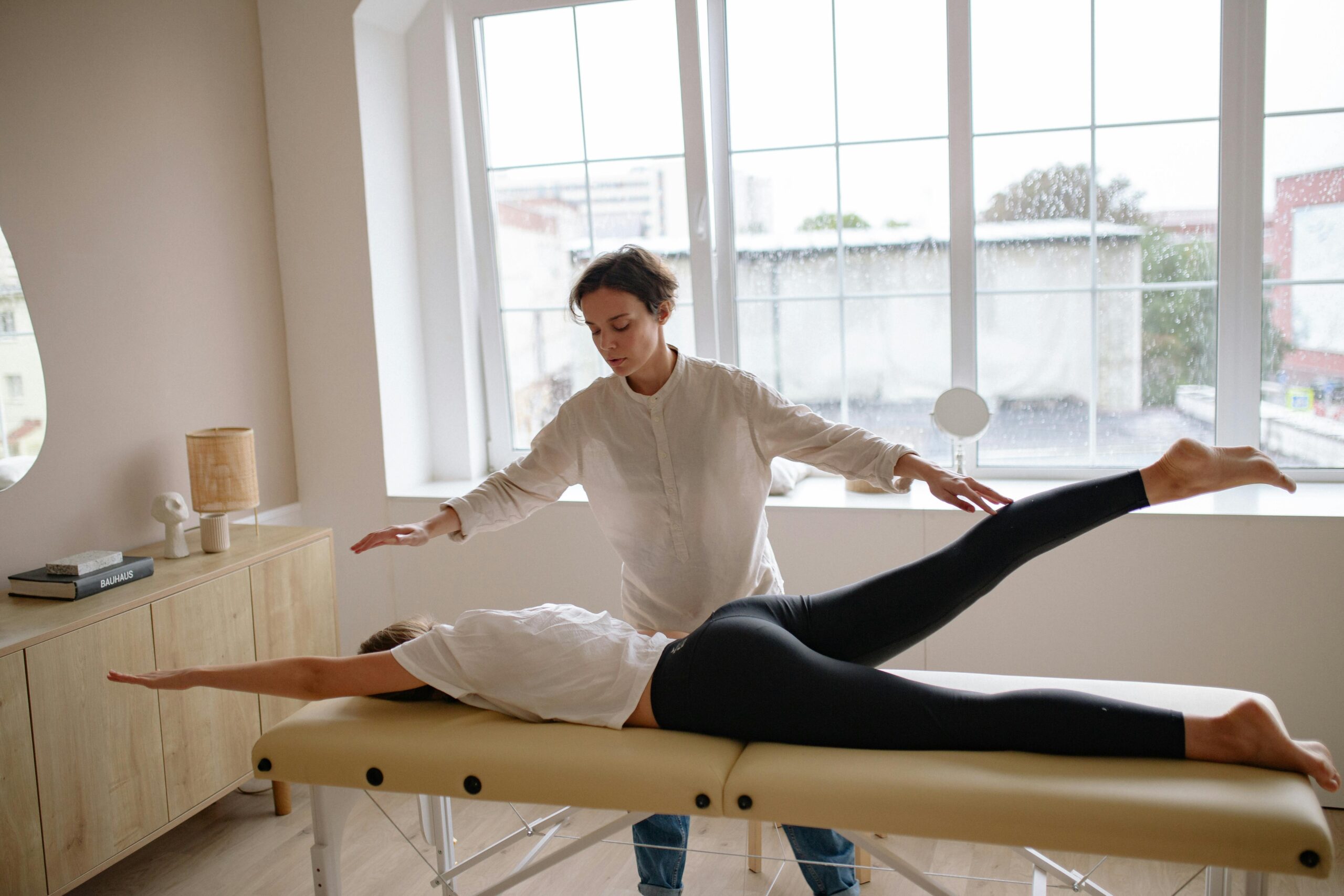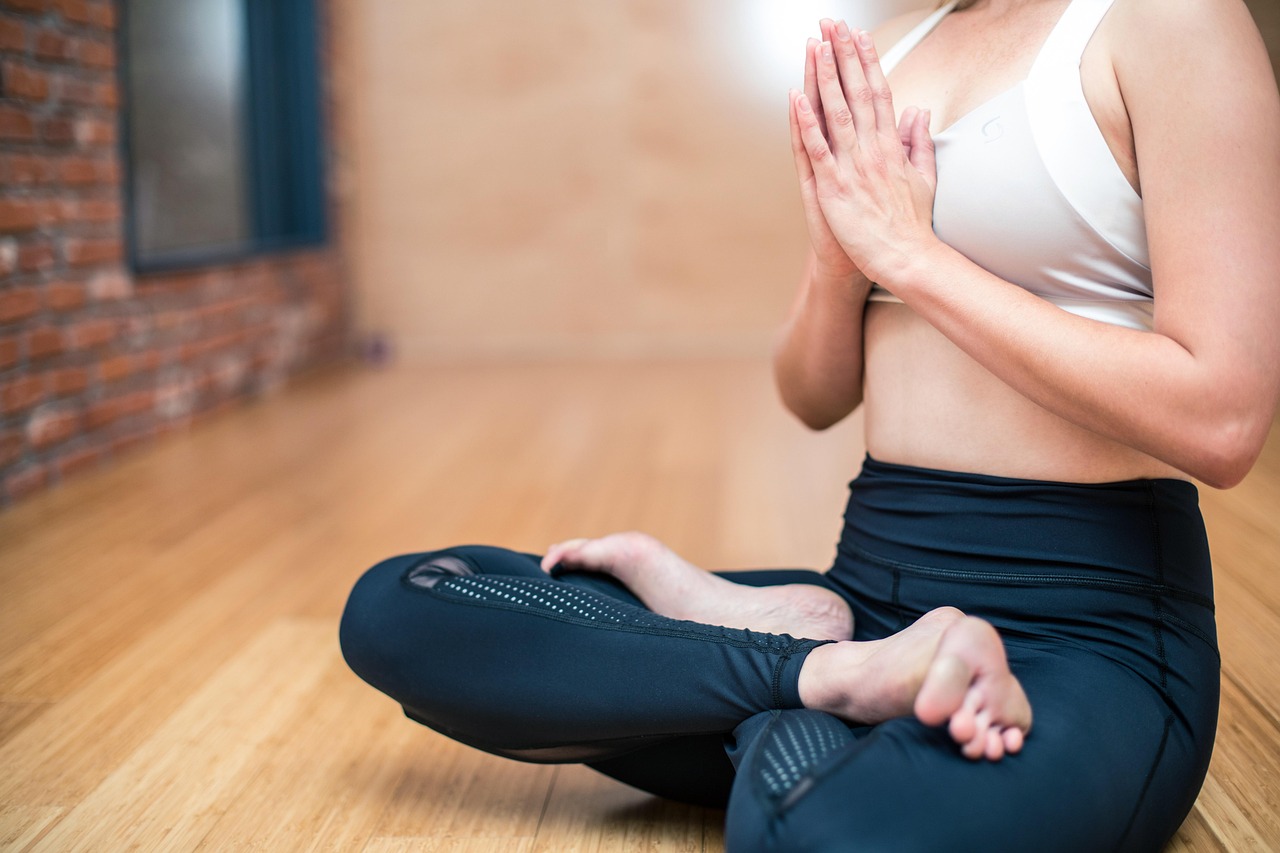
Starting a fitness journey can feel overwhelming, but it doesn’t have to be. Exercise regressions offer a powerful, personalized approach to building strength and improving health at your own pace.

Whether you’re new to working out, returning after a break, or managing physical limitations, understanding how to modify exercises safely is the key to long-term success. This guide will walk you through beginner-friendly exercise regressions that meet you where you are, helping you build a foundation for lifelong fitness without risking injury or burnout.
🎯 Understanding Exercise Regressions: Your Secret Weapon for Progress
Exercise regressions are simplified versions of more challenging movements that maintain the same movement patterns while reducing complexity, load, or stability requirements. Think of them as stepping stones rather than shortcuts—each regression builds the strength, coordination, and confidence needed to progress safely.
Many beginners mistakenly believe they need to jump straight into advanced exercises they see on social media or in fitness magazines. This approach often leads to poor form, frustration, and potential injury. Regressions allow you to master fundamental movement patterns before adding complexity, creating a sustainable path forward.
The beauty of exercise regressions lies in their adaptability. They’re not just for absolute beginners—experienced athletes use them during recovery, when learning new movements, or when addressing specific weaknesses. This flexibility makes them an essential tool in any fitness toolkit.
💪 The Science Behind Starting Slow and Building Strong
Your body adapts to exercise through a process called progressive overload, where gradual increases in stress stimulate strength gains and improved fitness. However, this adaptation requires time and consistency. Starting with appropriate regressions allows your muscles, tendons, ligaments, and nervous system to adapt together.
Research consistently shows that proper movement quality trumps intensity for beginners. When you perform exercises with correct form using regressions, you’re building neuromuscular pathways—essentially teaching your brain and muscles to communicate effectively. This foundation becomes invaluable as you progress to more challenging variations.
Additionally, starting with regressions significantly reduces injury risk. Most workout-related injuries stem from doing too much, too soon, with improper form. By respecting your current fitness level and progressing methodically, you protect yourself while still making meaningful gains.
🏋️ Essential Upper Body Regressions for Building Strength Safely
Push-Up Progressions That Actually Work
The push-up is a fundamental upper body exercise, but the standard floor push-up is often too challenging for beginners. Here’s how to regress it effectively:
Wall Push-Ups: Stand arm’s length from a wall and place your hands flat against it at shoulder height. Keep your body straight as you bend your elbows to bring your chest toward the wall, then push back. This regression dramatically reduces the load while teaching proper push-up mechanics.
Elevated Push-Ups: Use a sturdy table, countertop, or bench. The higher the surface, the easier the movement. As you build strength, progressively lower the elevation until you can perform push-ups from the floor.
Knee Push-Ups: Perform push-ups from your knees instead of your toes, maintaining a straight line from knees to shoulders. This reduces approximately 50% of the resistance compared to standard push-ups.
Overhead Pressing Made Accessible
Overhead pressing movements build shoulder strength and stability, but they require significant mobility and control. Start with these regressions:
Seated Shoulder Press: Sitting provides trunk stability, allowing you to focus entirely on the pressing movement. Use light dumbbells or even water bottles initially.
Wall Slides: Stand with your back against a wall, arms in a “goal post” position. Slide your arms overhead while maintaining contact with the wall. This builds the mobility and control needed for loaded overhead presses.
Partial Range Press: Perform overhead presses through a comfortable range of motion, gradually increasing the range as your strength and mobility improve.
🦵 Lower Body Regressions for Functional Strength
Squat Variations for Every Level
Squats are fundamental to functional fitness, but proper form requires significant strength, mobility, and coordination. These regressions make squats accessible:
Sit-to-Stand: Use a chair or bench. Practice sitting down with control and standing up without using your hands. This teaches proper squat mechanics with built-in depth control.
Assisted Squats: Hold onto a sturdy post, door frame, or TRX straps while squatting. This assistance helps you maintain balance and proper form while building leg strength.
Box Squats: Squat down until you lightly touch a box or bench behind you, then stand. The box provides a depth target and safety mechanism, reducing fear and allowing you to focus on form.
Building Posterior Chain Strength
Your posterior chain—glutes, hamstrings, and back muscles—is crucial for injury prevention and functional movement. These regressions target these muscles safely:
Glute Bridges: Lie on your back with knees bent and feet flat. Push through your heels to lift your hips, squeezing your glutes at the top. This teaches hip extension without spinal compression.
Supported Single-Leg Deadlifts: Hold onto a wall or chair while performing single-leg deadlifts. This builds balance and posterior chain strength with reduced stability demands.
Quadruped Leg Lifts: From hands and knees, extend one leg behind you while maintaining a neutral spine. This strengthens glutes and teaches hip control in a stable position.
🧘 Core Stability Regressions That Protect Your Back
Core training is essential, but many traditional core exercises place excessive stress on the spine, especially for beginners. These regressions build core strength safely:
Dead Bugs: Lie on your back with arms extended toward the ceiling and knees bent at 90 degrees. Slowly lower opposite arm and leg while maintaining lower back contact with the floor. This teaches core stability with minimal spinal stress.
Bird Dogs: From hands and knees, extend opposite arm and leg while maintaining a neutral spine. This builds anti-rotation core strength in a supported position.
Plank Progressions: Start with wall planks or elevated planks on a bench. Progress to knee planks, then full planks as your core strength develops. Focus on maintaining perfect form rather than duration.
Pallof Press: Stand perpendicular to a resistance band attachment at chest height. Press the band away from your chest, resisting rotation. This teaches anti-rotation core stability functionally.
📱 Tracking Your Progress and Staying Motivated
Consistency is the most important factor in fitness success. Using tracking tools helps maintain motivation and provides objective evidence of progress:
Consider using a fitness tracking application like Nike Training Club, which offers guided workouts with exercise regressions demonstrated by trainers. These apps provide structure and accountability, making it easier to stick with your routine.
Keep a simple workout journal noting which regression you performed, repetitions completed, and how you felt. This record helps you identify when you’re ready to progress to the next variation.
🎯 Creating Your Beginner-Friendly Workout Routine
Building an effective routine doesn’t require complexity. Start with these principles:
Frequency: Train 3-4 days per week, allowing at least one rest day between sessions. This provides adequate recovery while building consistency.
Exercise Selection: Choose one regression from each major movement pattern: push, pull, squat, hinge, and core. This ensures balanced development.
Sets and Repetitions: Begin with 2-3 sets of 8-12 repetitions for each exercise. Focus on quality over quantity, ensuring every repetition is performed with proper form.
Progression Timeline: Spend at least 2-4 weeks with each regression before advancing. Master the current level completely before adding complexity.
Sample Beginner Workout Using Regressions
Here’s a balanced full-body routine using exercise regressions:
- Warm-up: 5-10 minutes of light movement (walking, arm circles, leg swings)
- Elevated Push-Ups: 3 sets of 10 repetitions
- Assisted Squats: 3 sets of 12 repetitions
- Inverted Rows (using a table): 3 sets of 8 repetitions
- Glute Bridges: 3 sets of 15 repetitions
- Dead Bugs: 3 sets of 10 per side
- Cool-down: 5 minutes of gentle stretching
🚀 When and How to Progress Beyond Regressions
Knowing when to advance from a regression is crucial for continued progress. Look for these signs that you’re ready:
Form Consistency: You can perform every repetition with perfect form, even on the final set when fatigued.
Reduced Difficulty: The exercise feels significantly easier than when you started, requiring less concentration and effort.
Increased Capacity: You can comfortably perform more than your target repetitions while maintaining quality.
When progressing, advance only one variable at a time. You might increase repetitions, add a set, reduce rest time, or move to a more challenging regression—but not all simultaneously. This measured approach prevents overwhelming your body’s adaptive capacity.
💡 Common Mistakes to Avoid When Using Exercise Regressions
Even with regressions, certain pitfalls can derail your progress:
Progressing Too Quickly: The most common mistake is advancing to harder variations before mastering the current level. Patience pays dividends in long-term progress and injury prevention.
Comparing Yourself to Others: Your fitness journey is uniquely yours. Someone else’s starting point or progression timeline is irrelevant to your success.
Neglecting Recovery: Your body adapts during rest, not during workouts. Adequate sleep, nutrition, and recovery time between sessions are non-negotiable.
Sacrificing Form for Intensity: Perfect form with an “easy” regression builds more functional strength than sloppy form with a challenging progression.
Inconsistency: Three months of consistent regression work yields better results than two weeks of intense training followed by extended breaks.
🌟 The Mental Benefits of Starting Where You Are
Using exercise regressions isn’t just physically beneficial—it provides significant psychological advantages:
Beginning with appropriate regressions builds genuine confidence based on competence. Each successful workout reinforces your capability, creating positive momentum that carries into other life areas.
This approach also reduces exercise anxiety. Many people avoid fitness because they fear looking incompetent or getting injured. Starting with regressions eliminates these barriers, making workouts feel achievable rather than intimidating.
Additionally, using regressions fosters a growth mindset. You’re explicitly acknowledging that skills develop progressively, not instantly. This perspective makes setbacks feel temporary and challenges feel surmountable.

🏆 Building Your Long-Term Fitness Foundation
Exercise regressions aren’t a temporary stopgap—they’re the foundation of a sustainable fitness practice. Even as you advance to more challenging variations, you’ll return to regressions during deload weeks, when recovering from illness, or when learning entirely new movement patterns.
The skills you develop through thoughtful regression work—body awareness, movement quality, patience, and progressive thinking—transfer to every aspect of fitness and beyond. You’re not just building a stronger body; you’re developing a more capable, confident self.
Remember that fitness is a lifelong journey, not a destination. The “perfect” workout routine is the one you’ll actually do consistently. If exercise regressions make training accessible, enjoyable, and sustainable for you, they’re precisely the right approach, regardless of what anyone else is doing.
Your stronger, healthier future doesn’t require dramatic transformations or extreme measures. It simply requires showing up consistently, moving intentionally, and respecting your current abilities while gently pushing their boundaries. Exercise regressions provide the roadmap—all you need to do is take the first step, at your pace, on your terms. 💪✨